
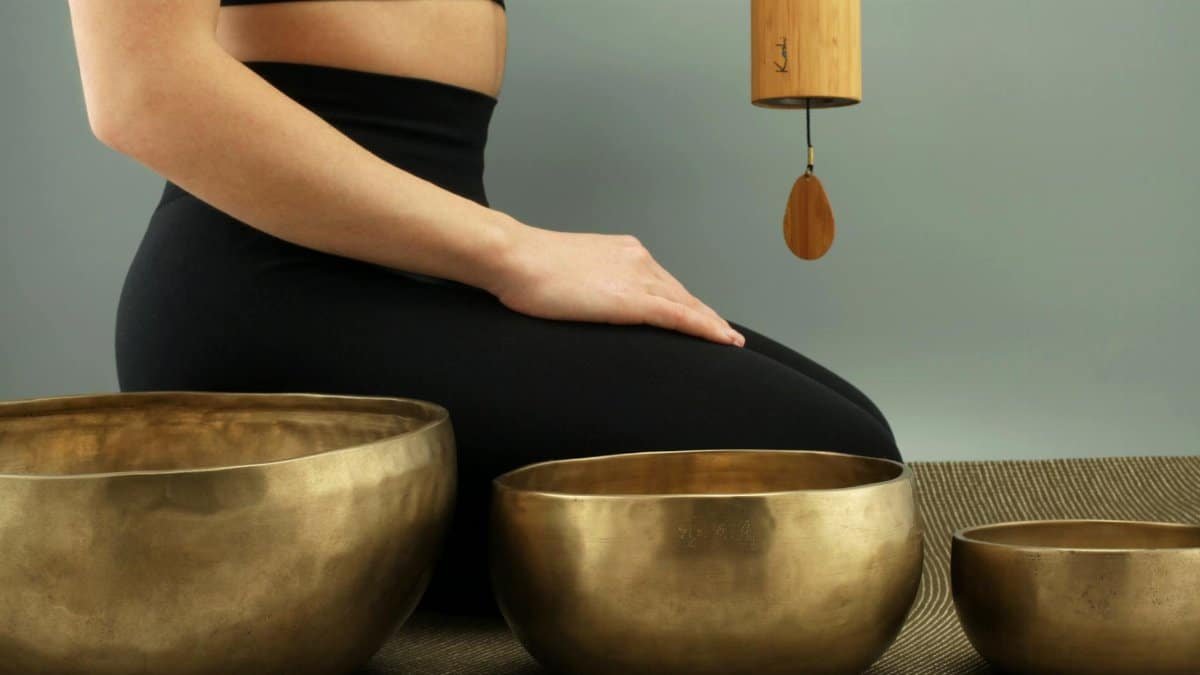
Is mind-body healing the hidden key to unlocking deep relaxation? As stress levels soar in 2025, more Americans are turning to sound healing, a powerful practice that taps into the body’s natural rhythms. By engaging the parasympathetic nervous system—our built-in “rest and digest” mode—sound healing offers a path to calm that’s gaining traction. From soothing vibrations to meditative tones, this approach within mind-body healing is proving to be more than just a trend. It’s a science-backed way to reset and recharge in a chaotic world.
What Is Sound Healing?
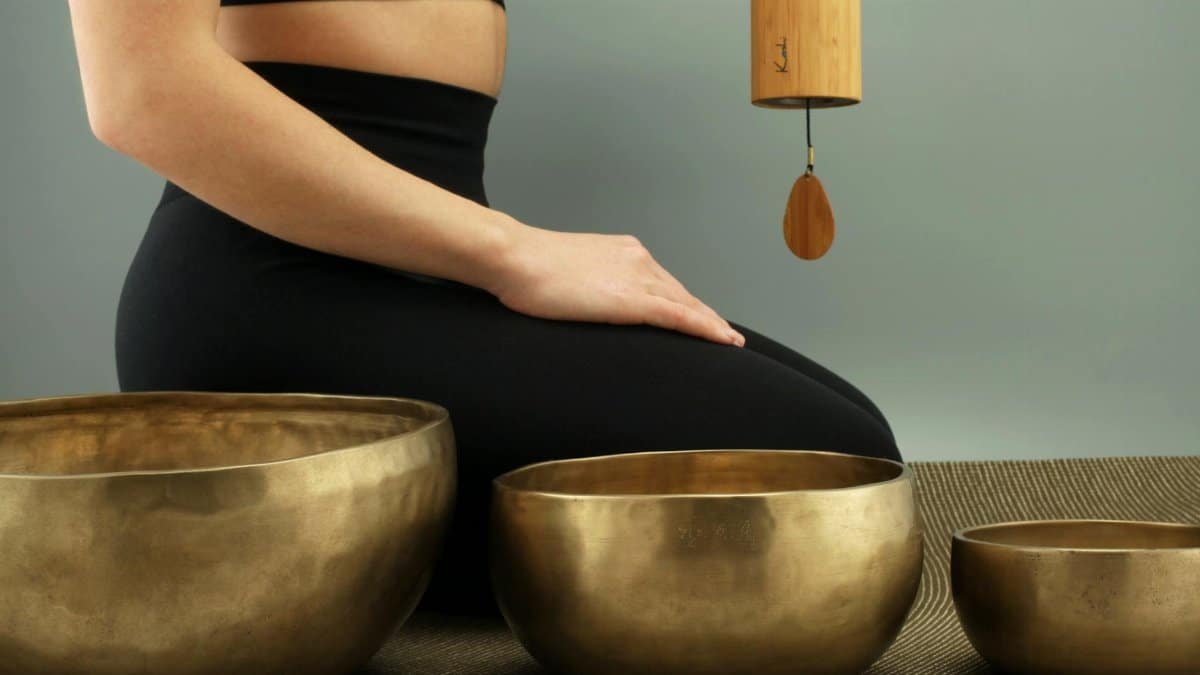
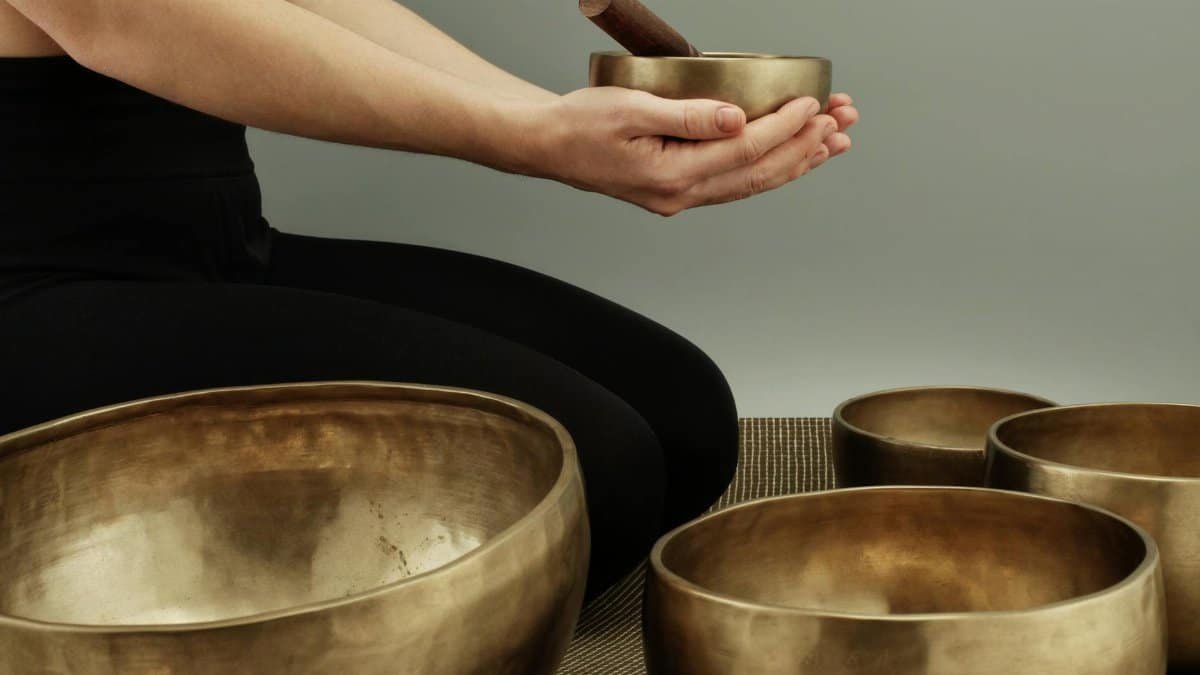
Sound healing uses specific frequencies, tones, and vibrations to promote physical and emotional well-being. Often involving instruments like singing bowls, gongs, or tuning forks, it’s a practice rooted in ancient traditions but now studied for its modern therapeutic benefits. As a form of mind-body healing, it aims to harmonize the body’s energy and reduce stress by influencing physiological responses. Practitioners believe that sound can directly impact how we feel, think, and heal.
How It Targets the Parasympathetic System

The parasympathetic nervous system governs relaxation, slowing heart rate and promoting recovery. Sound healing activates this system by delivering low-frequency vibrations that signal safety to the brain. Studies suggest that these vibrations can lower cortisol levels, the stress hormone, and enhance vagal tone, which supports calmness. This direct effect makes sound healing a potent tool for countering the fight-or-flight response so common in today’s fast-paced life.
Scientific Backing for Sound Therapy
Research is catching up with ancient wisdom. A 2017 study published in the Journal of Evidence-Based Complementary & Alternative Medicine found that sound meditation significantly reduced tension and anxiety in participants. You can explore the findings through resources summarized by reputable institutions like the National Center for Biotechnology Information. Additionally, Harvard Medical School has highlighted how vibrational therapies can influence brainwave activity, supporting relaxation ( Harvard Health Publishing ).
Practical Benefits for Daily Stress
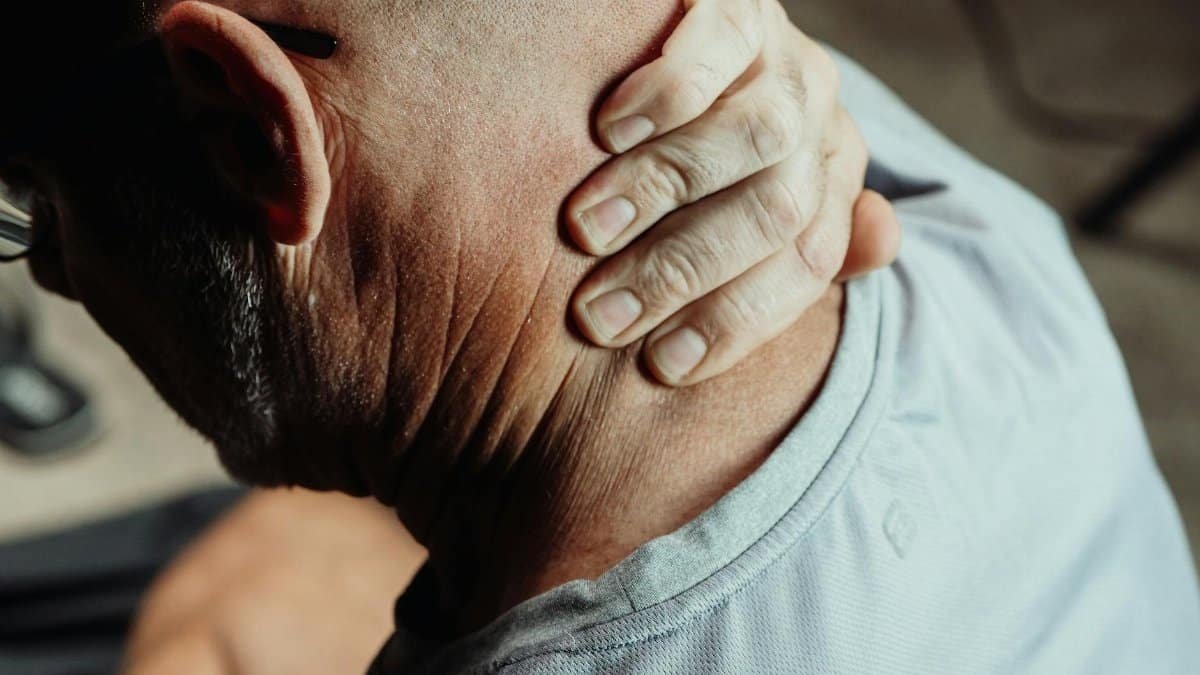
For many, sound healing offers a tangible way to manage daily stress. Sessions often leave participants feeling grounded, with reduced muscle tension and improved sleep. In a culture where 77% of adults report regular stress-related symptoms, per the American Psychological Association, accessible tools like sound therapy are vital. Whether through a guided session or a simple app with binaural beats, it’s a low-barrier entry to mind-body healing.
Who Can Benefit Most?

Sound healing isn’t just for wellness enthusiasts. It’s particularly helpful for those with chronic stress, anxiety, or even insomnia, as it directly soothes the nervous system. Office workers, caregivers, and students—anyone stuck in overdrive—can find relief. Therapists often recommend it as a complementary practice alongside mindfulness or yoga, amplifying the calming effects on the parasympathetic system.
Getting Started with Sound Healing
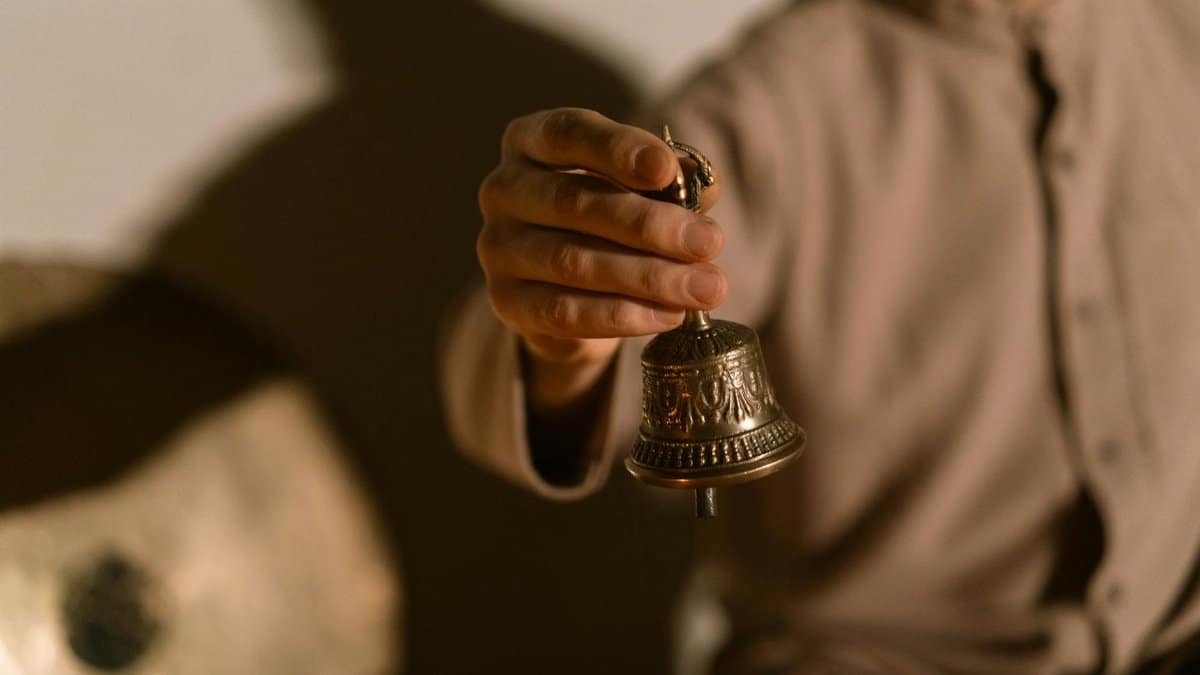
Interested in trying it? Start small. Find local sound bath sessions or practitioners through community wellness centers. Online platforms also offer guided recordings with specific frequencies for relaxation. Invest in a tuning fork or download a free app with healing tones. Consistency matters— even 10 minutes daily can shift your nervous system into a calmer state. As mind-body healing gains ground in 2025, sound therapy is an easy first step to test the waters.