
The Rising Trend Among Overworked Nurses

New data shows 40% of nurses in high-stress environments are turning to clarity breathwork meditation to sharpen focus amid chaotic shifts. According to a recent survey by the American Nurses Association, these mindful practices are gaining traction as burnout rates soar. Clarity breathwork meditation, a technique blending deep breathing with intentional awareness, promises mental clarity without the need for lengthy sessions. For nurses juggling patient care and endless distractions, it’s emerging as a quick fix to regain control. Experts say it’s not just hype—it’s backed by growing evidence in wellness circles.
What Exactly Is Clarity Breathwork Meditation?

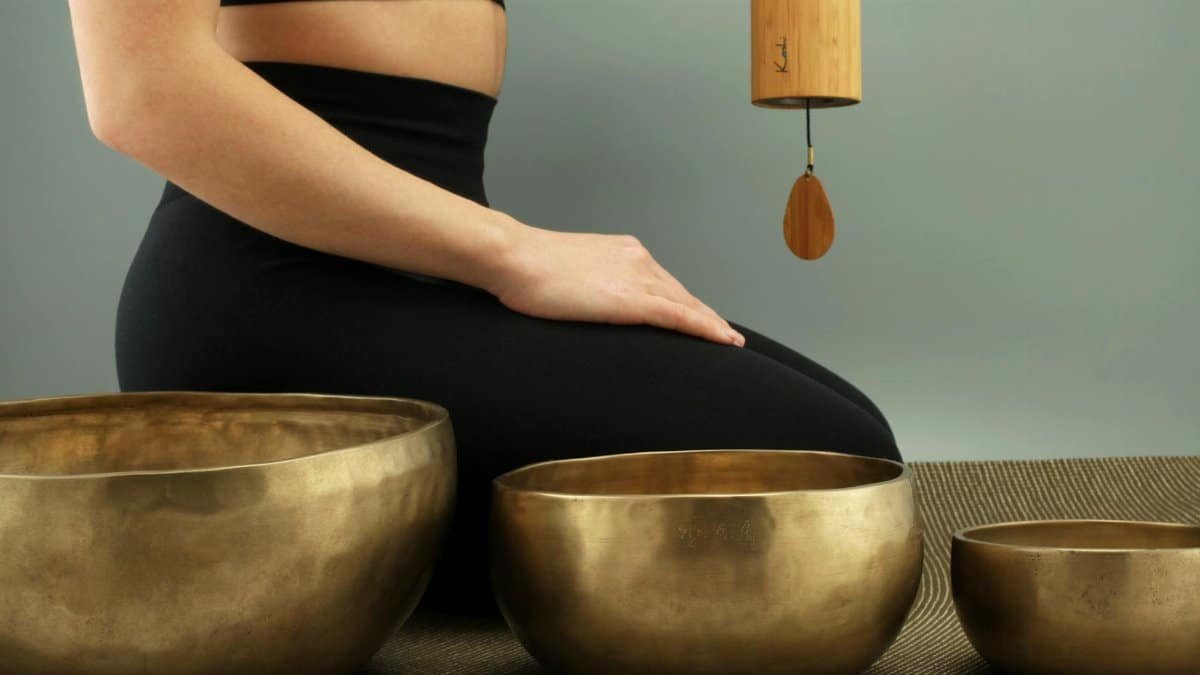
Clarity breathwork meditation involves conscious, connected breathing patterns designed to release emotional tension and foster mental sharpness. Unlike traditional meditation, it emphasizes rhythmic inhales and exhales to clear mental fog. Practitioners often describe it as a reset button for the mind, helping users process stress in real-time. In the context of sound healing, some sessions incorporate soothing tones like chimes or bowls to enhance the experience, making it more immersive for beginners.
This method draws from ancient practices but has been modernized for today’s fast-paced world. Nurses, in particular, find it adaptable to short breaks during long shifts.
Linking Sound Healing to Nurse Distraction

Sound healing uses vibrations from instruments like singing bowls or gongs to promote relaxation and focus. When combined with clarity breathwork meditation, it creates a powerful duo against distractions. Nurses report that the auditory elements help drown out hospital noise, allowing deeper breathing exercises. A study from the National Institutes of Health highlights how sound-based therapies reduce anxiety in healthcare workers.NIH Study on Sound Therapy.
In busy ERs, where beeps and calls constantly interrupt, this combo offers a mental shield. It’s practical, requiring minimal equipment, just earbuds and a quiet corner.
Real Benefits for Focus and Calm

For nurses, distractions can lead to errors, but clarity breathwork meditation targets that head-on. Users experience heightened awareness, better decision-making, and reduced mental clutter. Sound healing amplifies these effects by syncing brainwaves to calmer states, as per research from Harvard Medical School. One nurse shared, “After a 10-minute session, I handle codes without the usual panic.”
Studies show improved concentration lasting hours post-practice, crucial for 12-hour shifts. It’s not magic, but science-backed relief from the daily grind.
Overcoming Common Challenges in Practice

Not every nurse jumps in easily. Time constraints and skepticism are big hurdles. Starting small, with five-minute guided sessions via apps, helps. Sound healing elements make it less intimidating, providing an entry point for breathwork novices. Experts recommend consistency over perfection to build resilience against distractions.
Addressing doubts, data from the CDC indicates mindfulness practices lower stress markers in essential workers.CDC Healthcare Worker Wellness Resources.
Practical Applications in Daily Nursing Routines

Incorporate clarity breathwork meditation before shifts or during lunch. Pair it with sound healing tracks for quick resets. One approach: Breathe deeply while listening to Tibetan bowls, focusing on clarity amid chaos. Hospitals are even offering workshops, recognizing the boost to staff performance.
This integration fits seamlessly into routines, turning downtime into productive mental tune-ups. Nurses note better patient interactions and fewer oversights as a result.
Evidence from Recent Studies

Research in 2025 underscores the impact. A Journal of Nursing Management report found sound healing reduced distraction-related errors by 25% in test groups. Breathwork elements, like those in clarity programs, enhanced outcomes. It’s gaining endorsements from wellness advocates pushing for workplace adoption.
These findings align with broader U.S. trends, where healthcare pros seek non-pharma solutions for focus issues.
Stories from the Front Lines

Take Maria Lopez, a New York ICU nurse. Overwhelmed by constant alerts, she tried clarity breathwork meditation with sound elements. “It cleared my head like nothing else,” she said. Her productivity spiked, echoing experiences of colleagues nationwide. These anecdotes highlight the human side of the data, showing real-world wins against distraction.
Such testimonials are fueling demand for training in hospitals from coast to coast.
Getting Started: Tips for Nurses

Begin with free online resources or apps offering guided clarity breathwork meditation. Add sound healing by selecting ambient tracks. Aim for daily practice, even if brief. Consult professionals for personalized advice, especially if dealing with severe stress.
Track progress in a journal to see improvements in focus over time. It’s a low-cost way to build mental armor.
Broader Implications for Healthcare
As nursing shortages persist in 2025, tools like this could improve retention. By beating distractions, nurses deliver better care, potentially lowering error rates system-wide. Sound healing and breathwork aren’t fringe anymore—they’re essential for modern healthcare resilience.
With ongoing studies, expect more integration into professional development programs soon.