

In a high-stakes world where nurses battle relentless burnout, sound healing emerges as an unexpected ally. New data from the American Nurses Association reveals that over 60% of nurses report severe exhaustion, but innovative practices like sound baths are fostering calm focus resilience. This approach isn’t just trendy—it’s helping frontline workers regain balance amid chaotic shifts. As hospitals grapple with staffing shortages in 2025, these mindful techniques could be the game-changer for weary caregivers seeking mental clarity and emotional strength.
The Burnout Crisis Gripping Nursing
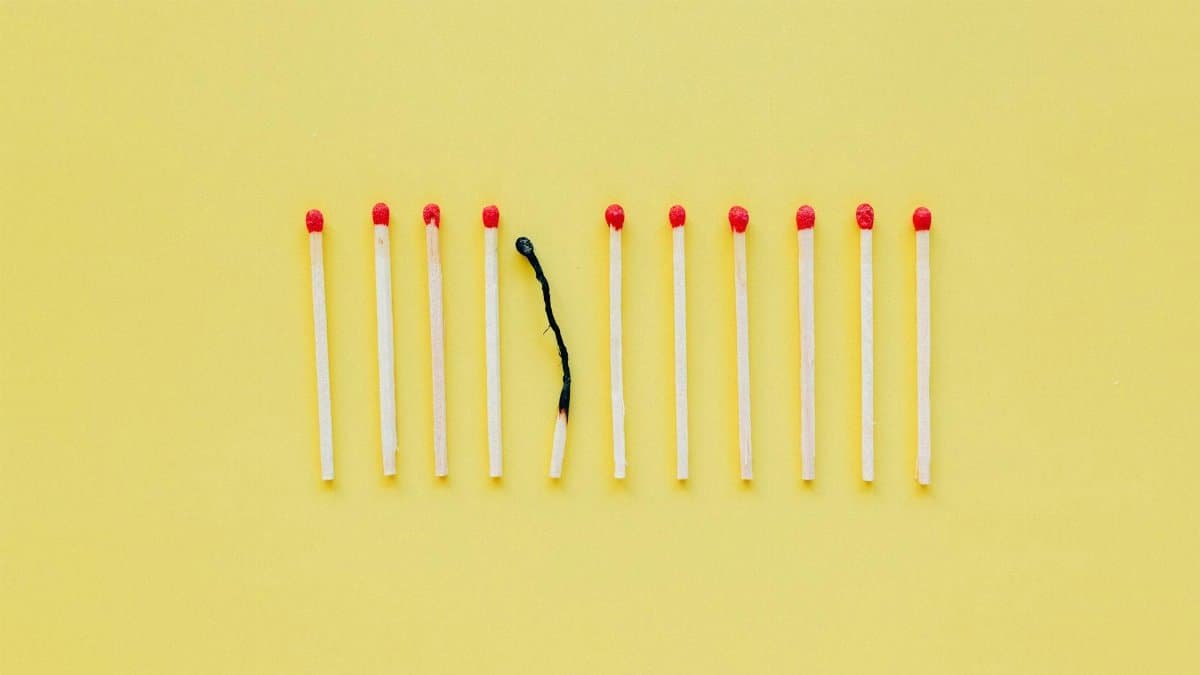
Nurses are on the front lines, facing grueling hours and emotional tolls that lead to widespread burnout. A 2023 survey by the National Council of State Boards of Nursing found that nearly half of nurses considered leaving the profession due to stress. This epidemic isn’t new, but it’s worsening with post-pandemic pressures. Sound healing steps in as a non-invasive tool, using vibrations from gongs, singing bowls, and chimes to promote relaxation. By targeting the nervous system, it helps build calm focus resilience, allowing nurses to handle high-pressure environments without crumbling.
What Is Sound Healing, Anyway?
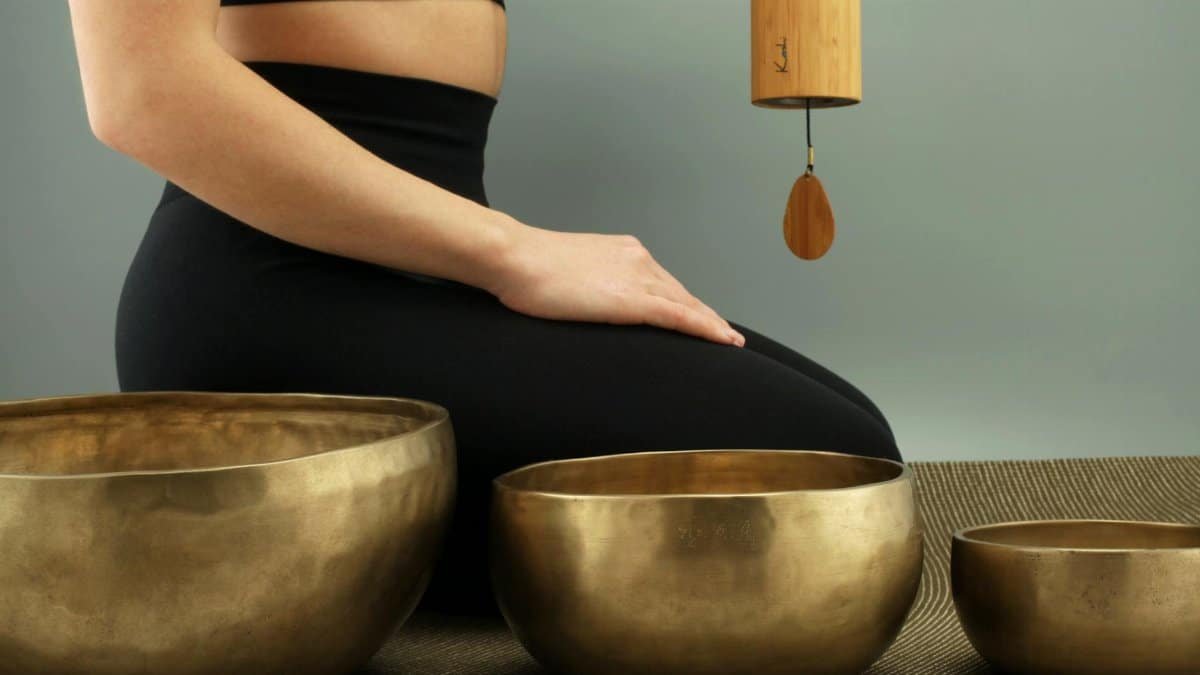
Sound healing harnesses acoustic frequencies to influence the body’s energy. Practitioners use instruments like crystal bowls or tuning forks to create resonant waves that align with brainwave patterns. Rooted in ancient traditions, it’s gained modern traction in wellness circles. For nurses, this means quick sessions that reset the mind after a tough shift. Studies suggest it reduces cortisol levels, the stress hormone, paving the way for better sleep and concentration. It’s not magic—it’s science-backed relief for those in demanding roles.
Building Calm Through Vibrational Therapy

Calm isn’t just a state—it’s a skill honed through consistent practice. Sound healing sessions guide participants into deep relaxation, where the mind quiets and focus sharpens. Nurses report feeling more centered after just 20 minutes of exposure to healing tones. This builds resilience by rewiring responses to stress triggers. In busy hospitals, where quick decisions are crucial, maintaining composure can save lives. Integrating these practices into daily routines helps nurses stay grounded, even during code blues or patient crises.
Enhancing Focus in High-Stress Environments
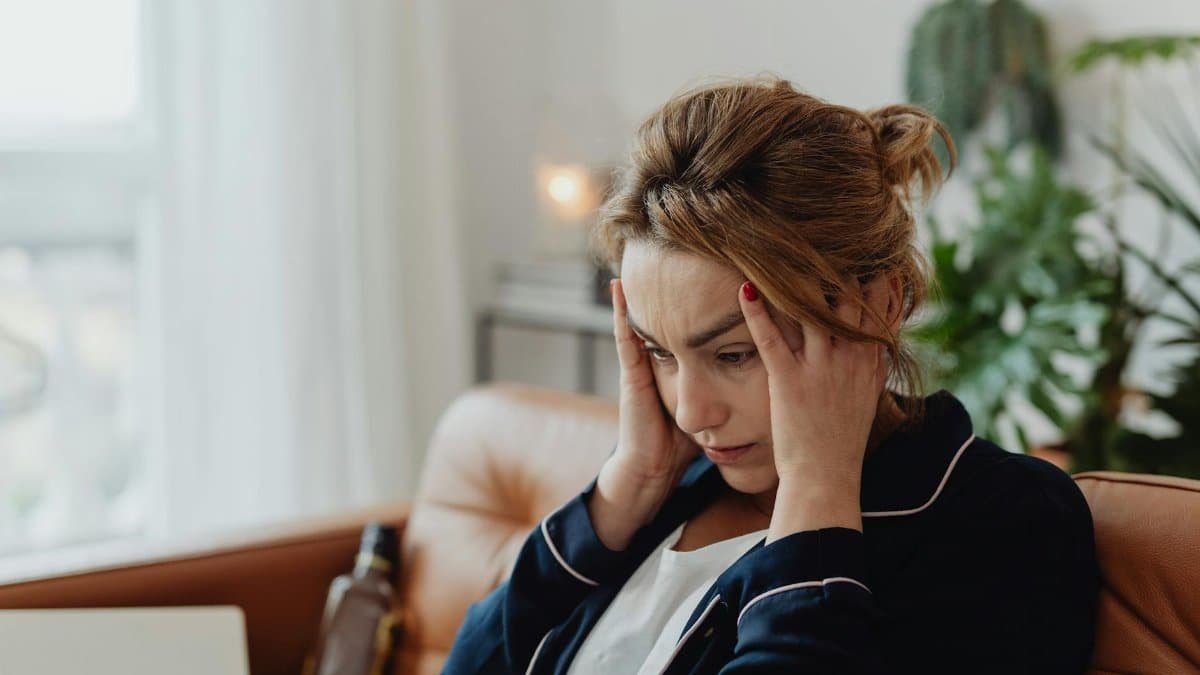
Focus falters when burnout sets in, leading to errors and frustration. Sound healing counters this by stimulating alpha brain waves, associated with alert relaxation. A study published in the Journal of Evidence-Based Integrative Medicine showed participants experienced improved attention after sound therapy. For nurses juggling multiple patients, this means sharper recall and better task management. It’s about creating mental space amid the chaos, fostering the calm focus resilience needed to thrive in 2025’s evolving healthcare landscape.
Resilience: The Key to Long-Term Wellness

Resilience goes beyond bouncing back—it’s about thriving under pressure. Sound healing strengthens this by promoting emotional regulation through harmonic vibrations. Nurses who’ve adopted it describe a newfound ability to process trauma without carrying it home. Research from the National Center for Biotechnology Information highlights how music-based interventions reduce anxiety in healthcare workers. This resilience factor is vital as nursing shortages persist, ensuring professionals endure without sacrificing their well-being.
Real Nurses Share Their Stories

Take Emily Rodriguez, a New York ER nurse who’s been on the job for a decade. “Sound healing changed everything,” she says. “After shifts, I’d be drained, but now I use app-guided sessions to unwind. It’s built my calm focus resilience.” Similar accounts come from across the U.S., with nurses in California and Texas forming groups for collective sound baths. These anecdotes underscore the practical impact, turning abstract wellness into tangible recovery tools.
Integrating Sound Healing into Daily Routines
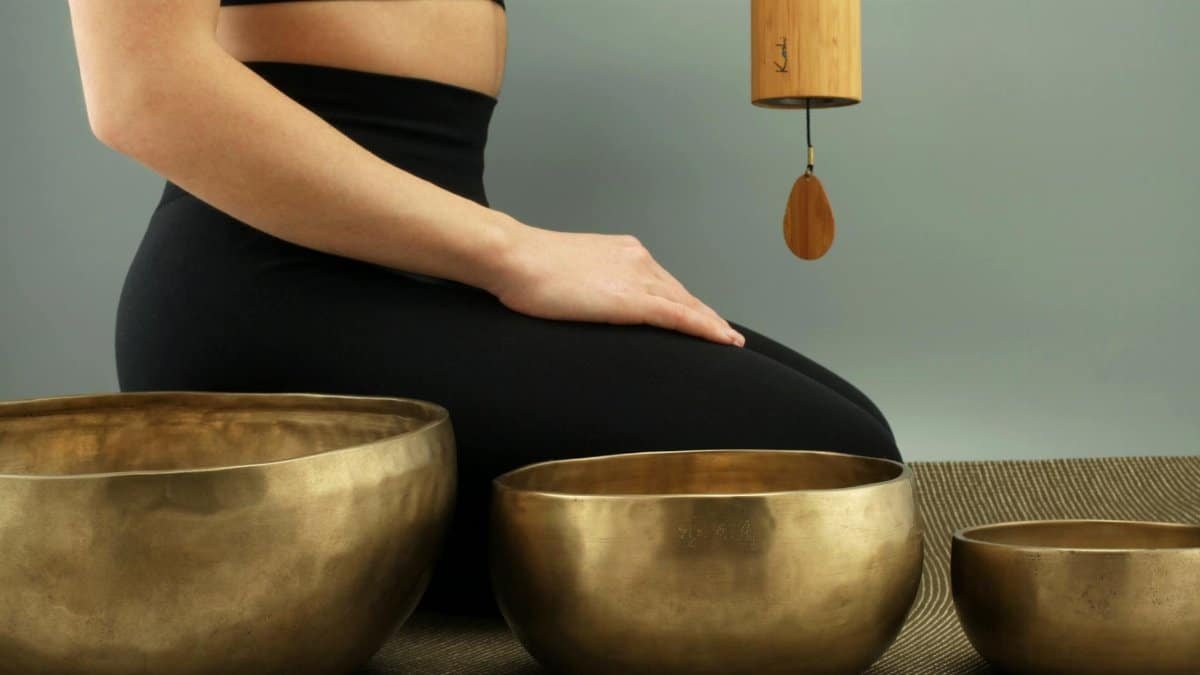
Getting started doesn’t require fancy equipment. Nurses can begin with free online recordings or affordable tuning forks. Hospitals are even piloting programs, like those at Mount Sinai in New York, incorporating sound therapy into staff wellness initiatives. Aim for 10-15 minutes daily to cultivate calm focus resilience. Pair it with breathing exercises for amplified effects. As 2025 brings more emphasis on mental health in healthcare, these integrations could become standard, helping nurses maintain peak performance.
Challenges and Skepticism in Adoption

Not everyone buys into sound healing. Critics dismiss it as pseudoscience, demanding more rigorous trials. Yet, emerging evidence from institutions like Harvard Medical School points to its benefits in stress reduction. Nurses face barriers like time constraints and access, but affordable apps are bridging the gap. Overcoming doubt requires education—workshops can demonstrate how vibrations affect physiology. For skeptics, starting small shows real results in building resilience without overcommitting.
Broader Impacts on Healthcare Systems
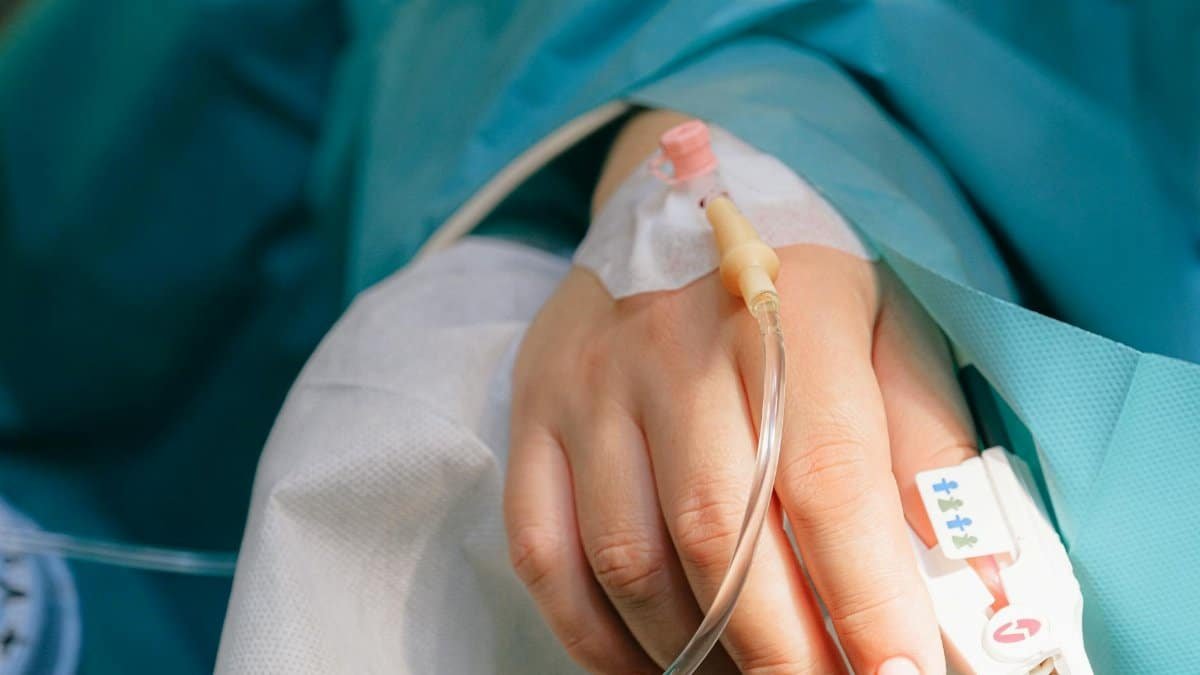
When nurses beat burnout, entire systems benefit. Reduced turnover saves hospitals millions, while improved morale boosts patient care. A report from the Agency for Healthcare Research and Quality links staff wellness to better outcomes. Sound healing’s role in fostering calm focus resilience could reshape policies, encouraging funding for alternative therapies. In 2025, as telehealth expands, virtual sound sessions might become a staple, supporting remote nurses nationwide.
Looking Ahead: Sustainable Strategies for Nurses

Sustainability in nursing demands ongoing tools like sound healing. Experts recommend combining it with yoga or meditation for comprehensive calm focus resilience. As research evolves, more data will validate its efficacy. Nurses should advocate for workplace support, pushing for breaks dedicated to these practices. Ultimately, beating burnout isn’t a one-off—it’s a commitment to holistic health, ensuring caregivers remain effective and empowered in their vital roles.