
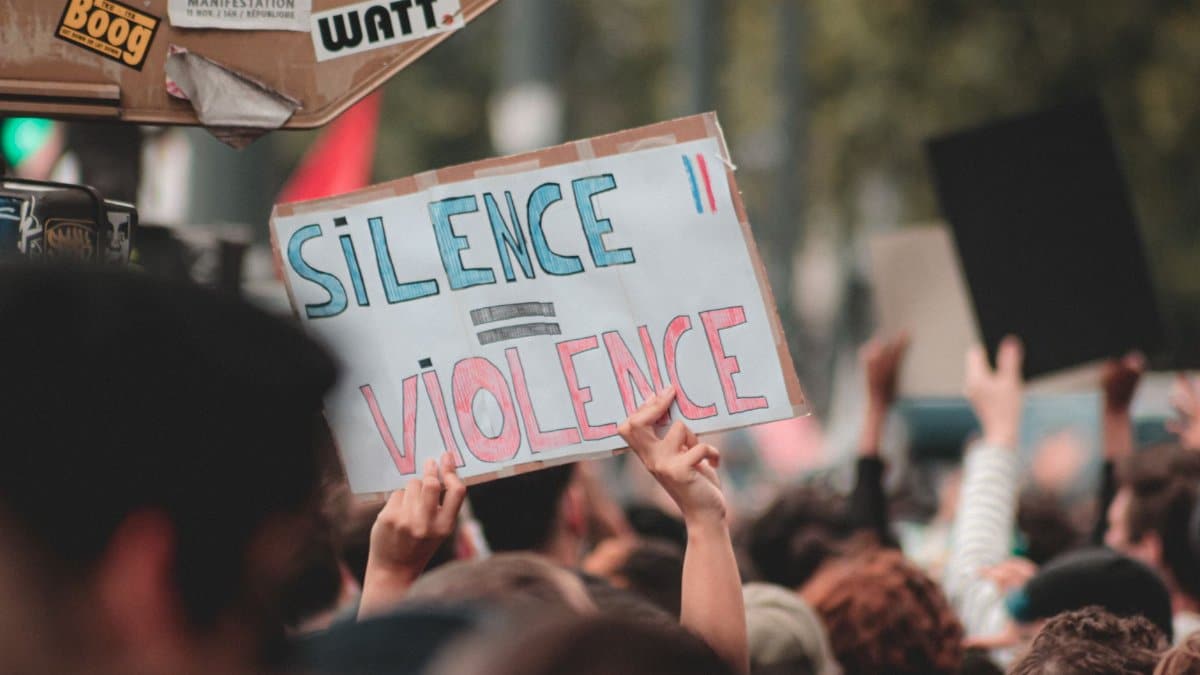
Most Americans view political violence as a threat that undermines the stability of daily life and shared institutions. Recent surveys show broad rejection of such acts across party lines yet incidents continue in scattered communities. Psychologists point to practical steps that can ease tensions before they escalate. This approach draws on research into how people process anger and group identity. One key study from the American Psychological Association explores these dynamics in detail and offers pathways forward.
Recognizing Shared Grievances

People often turn to political violence when they feel unheard on core issues like economic security or community safety. Psychologists note that listening sessions in local settings allow residents to voice concerns without immediate judgment. These gatherings help separate policy disputes from personal attacks. Data from community programs indicate lower rates of confrontation when officials respond directly to expressed needs.
Countering Dehumanization Tactics

Dehumanization spreads when media and social platforms portray opponents as less than human. Experts recommend training for journalists and influencers on framing stories with individual faces and stories. Such methods slow the spread of blanket labels that justify aggression. Follow up conversations in mixed groups further humanize those on different sides.
Building Norms Through Education

Schools and civic groups can teach the history of peaceful dispute resolution in American life. Lessons that highlight successful negotiations from past decades give students models to follow. Psychologists observe that repeated exposure to these examples strengthens internal resistance to violent options. Parents who model calm discussion at home reinforce the same lessons.
Role of Community Leaders

Elected officials and faith leaders set tones that either calm or inflame situations. Training programs now help these figures respond to flashpoints with measured language. When leaders consistently condemn political violence regardless of source they send clear signals about acceptable conduct. Local examples show faster deescalation in areas where such consistency exists.
Addressing Mental Health Factors

Underlying stress and isolation can amplify openness to extreme actions. Expanded access to counseling services in high tension regions provides outlets for frustration. Psychologists link better mental health support to reduced endorsement of aggressive political tactics. Partnerships between clinics and community centers make these resources more visible and trusted.
Media Responsibility in Coverage

News outlets shape perceptions through word choice and story selection. Guidelines that favor context over sensational images limit the glorification of confrontations. Research suggests audiences retain more balanced views when reports include perspectives from multiple sides. Outlets that adopt these practices report sustained reader trust over time.
Strengthening Legal Frameworks

Clear laws that distinguish protected protest from criminal acts reduce ambiguity during events. Prosecutors who apply standards evenly across cases maintain public confidence in the system. Psychologists note that perceived fairness in enforcement lowers the appeal of vigilante responses. Regular reviews of these frameworks keep them aligned with current realities.
Encouraging Personal Reflection

Individuals benefit from examining their own reactions to political events. Simple practices like pausing before sharing content online curb the spread of inflammatory material. Over time these habits contribute to a wider culture that values restraint. Many find that small daily choices accumulate into meaningful shifts in community tone.
Long Term Societal Investments

Efforts to reduce political violence gain strength when tied to broader goals such as economic opportunity and civic participation. Programs that connect residents across divides build relationships that outlast single conflicts. Evidence from sustained initiatives shows lasting drops in support for aggressive tactics. These investments require patience yet deliver compounding returns in social cohesion.