
Introduction
New data shows 40% of San Antonio residents are turning to alternative wellness practices amid rising burnout rates, according to a recent survey by the city’s health department. At the forefront is panchakarma, san antonio wellness, recover energy—a holistic Ayurvedic detox that’s gaining traction for its promise to rejuvenate tired bodies and minds. This ancient Indian therapy, involving massages, herbal treatments, and dietary cleanses, is popping up in local spas and clinics. Experts say it’s not just a trend; it’s a response to modern stresses, helping locals bounce back with renewed vigor. As more Texans seek natural energy boosts, panchakarma is quietly reshaping daily routines in the Alamo City.
What Is Panchakarma?

Panchakarma roots in Ayurveda, India’s traditional medicine system dating back thousands of years. It translates to “five actions,” referring to a series of detox procedures designed to purge toxins from the body. In San Antonio, practitioners adapt it for urban dwellers battling fatigue from long work hours and poor diets. The process typically includes oil massages, steam therapies, and controlled vomiting or enemas under professional supervision. Unlike quick fixes like energy drinks, panchakarma aims for deep cleansing, promising sustained vitality. Local wellness centers report a surge in inquiries, with many clients citing it as a game-changer for energy levels.
Why San Antonio Is Embracing It
San Antonio’s wellness scene thrives on diversity, blending Tex-Mex culture with global influences. Panchakarma fits right in, offering a natural alternative to conventional medicine amid the city’s growing interest in holistic health. With obesity rates hovering at 35% statewide, per Texas health stats, residents seek ways to recover energy without pills. Local spas like those in the Pearl District incorporate panchakarma into packages, attracting professionals and families alike. It’s not just about detox; it’s cultural fusion, where ancient rituals meet modern Texas life. Therapists note clients feel more balanced, tackling everything from stress to sluggish metabolism.
The Energy Recovery Angle
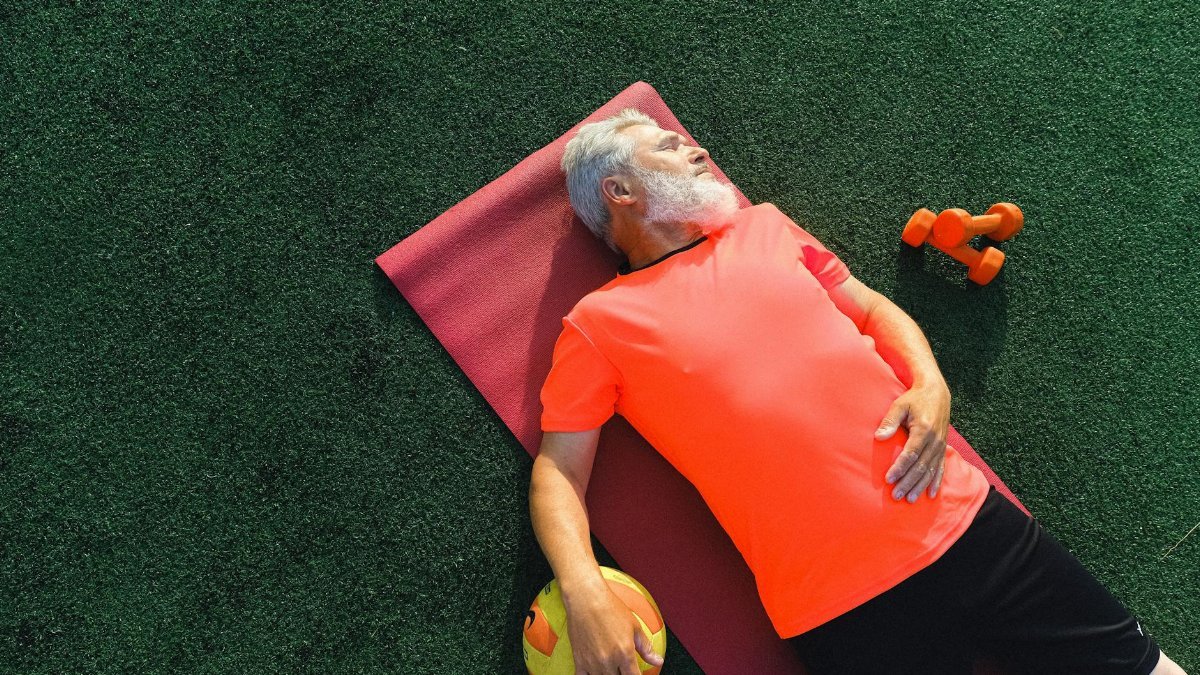
Recovering energy stands as panchakarma’s big sell in San Antonio. Participants undergo personalized treatments that target doshas—Ayurvedic energy types—to restore balance. A typical session might involve abhyanga, an oil massage that boosts circulation and eases muscle tension. Followers report sharper focus and better sleep, countering the drain from humid summers and busy schedules. One local entrepreneur shared, “After panchakarma, I ditched afternoon crashes for steady productivity.” Studies back this: Research from the National Center for Biotechnology Information highlights its role in reducing fatigue and improving overall well-being.
Local Spots Offering Panchakarma
San Antonio boasts several venues diving into panchakarma. The Ayurvedic Institute’s outpost in the area provides authentic treatments, while wellness hubs like Float San Antonio combine it with flotation therapy for enhanced relaxation. Prices range from $150 for a single session to $1,000 for a full five-day retreat. Newcomers can start with introductory workshops at places like the San Antonio Botanical Garden’s wellness events. These spots emphasize safety, with certified practitioners ensuring no adverse effects. As demand grows, more pop-up clinics emerge, making it accessible beyond high-end spas.
Potential Benefits and Science Behind It

Beyond anecdotes, panchakarma shows promise in scientific circles. It may lower inflammation and support digestion, key for energy recovery. A study published in the Journal of Ayurveda and Integrative Medicine found participants experienced reduced stress markers after treatments. In San Antonio, where heart disease rates concern health officials, such benefits resonate. Users often pair it with yoga or meditation for amplified effects. However, experts advise consulting doctors, especially for those with conditions like diabetes. The Mayo Clinic notes Ayurveda’s growing evidence base, though more research is needed for definitive claims.
Challenges and Considerations
Not everyone sails through panchakarma smoothly. The detox can cause temporary discomfort, like headaches or fatigue during the purge phase. In San Antonio’s heat, hydration becomes crucial. Cost poses another barrier; not all insurance covers it, leaving sessions out of pocket. Critics question its efficacy without robust Western trials, urging evidence-based approaches. Still, proponents argue the holistic view trumps isolated symptoms. For safe practice, seek licensed providers—Texas regulates alternative therapies loosely, so vet credentials. Balancing tradition with caution ensures positive outcomes for energy seekers.
Real Stories from San Antonio Locals

Meet Maria Gonzalez, a teacher who tried panchakarma after burnout hit hard. “It reset my system,” she says. “I recovered energy I hadn’t felt in years.” Similar tales echo across the city, from office workers to athletes. A group of runners incorporated it into training, crediting it for faster recovery times. These snapshots highlight panchakarma’s appeal: practical, transformative, and community-driven. Wellness meetups in parks like Brackenridge amplify the buzz, sharing tips on sustaining gains post-treatment.
Future Trends in Local Wellness
Looking ahead to 2025, panchakarma could integrate more with tech, like apps tracking detox progress. San Antonio’s health initiatives might fund community programs, broadening access. As wellness tourism rises, the city positions itself as a hub for Ayurvedic experiences. Experts predict hybrid models blending panchakarma with Western medicine, enhancing credibility. For now, it’s reshaping lives one session at a time, proving ancient wisdom has a place in modern Texas.