
A recent report from the National Center for Complementary and Integrative Health shows that over 240,000 Americans turned to Ayurvedic practices in the past year alone, a 20 percent rise since 2020. This surge points to a growing hunger for holistic wellness amid the stresses of modern life. At the heart of this trend lies Panchakarma, an ancient detoxification ritual that’s quietly gaining traction in U.S. spas and wellness centers. Far from a fleeting fad, it promises a deep cleanse that could reset both body and mind. As more people seek ways to unlock their potential, Panchakarma stands out for its blend of tradition and tangible results. But what makes it so compelling in 2025? Let’s explore how this practice might open new doors for personal growth.
The Ancient Wisdom Behind Panchakarma
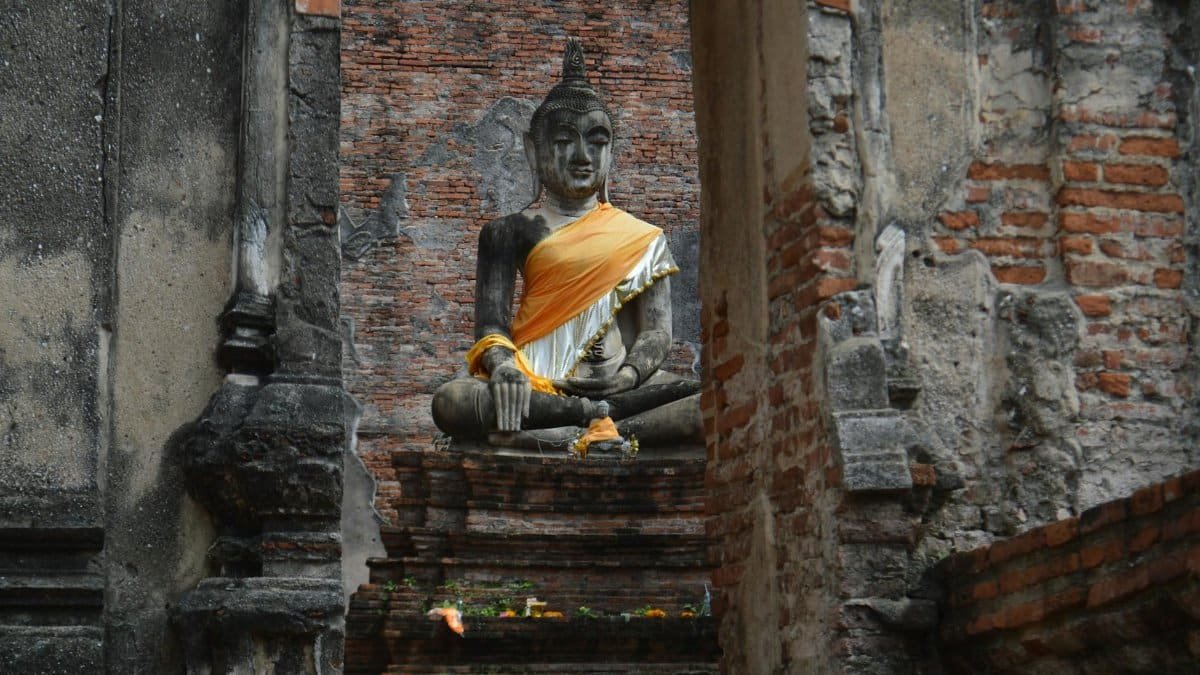
Ayurveda, the 5,000-year-old system of medicine from India, views health as a delicate balance of body, mind, and spirit. Panchakarma emerges from this philosophy as a cornerstone for purification. It isn’t just about physical detox; it’s a holistic reset designed to eliminate toxins accumulated from poor diet, stress, and environmental factors. Practitioners describe it as a way to restore the body’s natural rhythms, drawing on elements like herbs, oils, and therapeutic treatments.
Consider a busy executive in Chicago who stumbled upon Ayurveda during a work trip. Overwhelmed by constant deadlines, she found herself drawn to the idea of a cleanse that addressed more than just symptoms. This kind of story highlights how ancient practices adapt to contemporary needs. Research from the National Center for Complementary and Integrative Health underscores Ayurveda’s growing evidence base, noting its potential in managing chronic conditions through personalized approaches.
Yet, the wisdom isn’t static. In today’s world, experts blend these traditions with modern science, creating protocols that fit urban lifestyles. This fusion keeps Panchakarma relevant, inviting skeptics to reconsider its value.
Breaking Down the Five Key Therapies
Diving right in, Panchakarma consists of five main actions, or “karmas,” each targeting different aspects of cleansing. Vamana, for instance, induces therapeutic vomiting to clear excess mucus from the upper body. Then there’s Virechana, a purgation therapy using herbs to flush out toxins from the intestines.
Picture a serene wellness retreat in California where participants undergo Nasya, the nasal administration of oils to purify the head and sinuses. One attendee recalled the sensation as oddly invigorating, like clearing mental fog after years of allergies. Basti follows, involving medicated enemas for deeper colon cleansing, while Raktamokshana, though less common in the West, addresses blood impurities.
These therapies aren’t one-size-fits-all. A study published in the Journal of Ayurveda and Integrative Medicine details how customized Panchakarma protocols can lead to significant improvements in digestive health. The process demands commitment, often spanning a week or more under expert guidance, but the structured approach ensures safety and efficacy.
What’s striking is the emphasis on preparation and follow-up, turning a simple detox into a transformative journey.
Physical Renewal in a Fast-Paced World

Our bodies bear the brunt of endless screen time and processed foods. Panchakarma counters this by promoting cellular rejuvenation. Through oil massages and steam therapies, it stimulates circulation and lymphatic drainage, easing ailments like joint pain and fatigue.
In one anonymized account shared in online wellness discussions, a middle-aged teacher described how the treatments alleviated her chronic back issues, allowing her to hike again without discomfort. Such experiences resonate with many facing midlife health dips. Data from the Centers for Disease Control and Prevention highlights rising chronic disease rates, making alternative therapies like this increasingly appealing.
But it’s not all smooth sailing. Some report initial discomfort as toxins release, yet this phase often gives way to renewed energy. Integrating light exercise post-treatment amplifies these benefits, aligning with trends toward mindful movement in 2025.
Unlocking Mental Clarity and Emotional Depth
Can a body cleanse really touch the mind? Proponents say yes, and emerging research backs it up. Panchakarma’s therapies aim to balance doshas, the Ayurvedic energies believed to influence mood and cognition.
Start with a question: What if letting go of physical toxins freed up mental space? For many, it does. Sessions often include meditation and yoga, fostering emotional release. A wellness coach in New York shared how clients emerge with sharper focus, as if shedding layers of anxiety.
Reflect on the tension here, though. In a culture prizing quick fixes, Panchakarma’s slow pace challenges impatience. Still, a review in the Evidence-Based Complementary and Alternative Medicine journal suggests it may reduce stress markers, offering a pathway to deeper self-awareness. This emotional unlocking can reveal untapped potential, from creative pursuits to stronger relationships.
The process invites vulnerability, turning inward reflection into a powerful tool for growth.
Adapting Panchakarma for Everyday Life

Not everyone can escape to a retreat. So how does this ancient practice fit into daily routines? Simplified versions exist, like at-home oil pulling or herbal teas, serving as entry points.
One approach involves seasonal mini-cleanses, aligning with natural cycles. A parent in Texas experimented with this, incorporating gentle detox elements into family meals. It wasn’t perfect, she admitted, but it built habits that stuck.
Experts recommend consulting professionals first, perhaps through virtual sessions gaining popularity in 2025. Resources from organizations like the Ayurvedic Institute provide guidance, ensuring safe adaptations. This flexibility makes Panchakarma accessible, bridging tradition with convenience.
Over time, these small steps accumulate, fostering a lifestyle of intentional wellness rather than sporadic efforts.
Navigating Common Hurdles
Embarking on Panchakarma isn’t without obstacles. Cost can be a barrier, with full programs running hundreds to thousands of dollars. Accessibility varies, too, with authentic practitioners scarce in some regions.
Health concerns arise for those with certain conditions; it’s crucial to screen beforehand. One person’s journey hit a snag when fatigue set in mid-process, but adjustments turned it around.
To overcome these, start small and seek certified experts. Community groups and online forums offer support, demystifying the experience. Ultimately, persistence pays off, as the rewards often outweigh the initial challenges.
Stories of Personal Transformation

Real change often shines through individual tales. Take the artist who, after Panchakarma, found her creativity surging, painting with a vigor absent for years. Or the veteran dealing with PTSD, who reported calmer nights post-treatment.
These narratives aren’t anomalies. They illustrate how the practice can catalyze shifts, from career pivots to improved self-esteem. In a society craving authenticity, such stories inspire others to explore their own potential.
Of course, results vary, but the common thread is empowerment, a sense of reclaiming control over one’s narrative.
Embracing Panchakarma for Long-Term Growth

As we look to 2025, Panchakarma’s role in wellness seems set to expand, influenced by rising interest in integrative health. It’s not a cure-all, but a catalyst for deeper living.
By addressing root causes rather than symptoms, it encourages sustainable habits. Whether through full immersions or daily tweaks, it invites us to unlock dimensions we might have overlooked.
In the end, this practice reminds us that true potential often lies in the balance we cultivate within.