

In a high-stress world where burnout is hitting American workers hard, calm wellness healing through meditation is emerging as a game-changer. New data from the American Psychological Association shows that 77% of employees experience work-related stress, leading to exhaustion and decreased productivity. But incorporating simple meditation practices can turn the tide, fostering focus and resilience. This isn’t just hype; it’s backed by science, offering a practical path to balance amid chaotic schedules.
The Science Behind Meditation and Stress Reduction

Meditation isn’t some mystical ritual; it’s a proven tool for dialing down stress hormones. Studies reveal that regular practice lowers cortisol levels, the body’s main stress chemical. Researchers at Harvard Medical School have found that just eight weeks of mindfulness meditation can rewire the brain, enhancing areas linked to emotional regulation. For workers juggling deadlines and demands, this means fewer panic attacks and more steady energy throughout the day. It’s straightforward: sit quietly, focus on your breath, and watch tension melt away. No fancy equipment needed, just commitment.
Real-World Benefits for Office Warriors

Picture the average U.S. employee in 2025, staring at screens for hours, battling endless emails. Meditation steps in as calm wellness healing, boosting concentration and preventing mental fatigue. A report from the Centers for Disease Control and Prevention highlights how workplace stress contributes to health issues, but meditative breaks counteract this. Workers report sharper focus after short sessions, turning chaotic days into productive ones. Companies like Google have even integrated mindfulness programs, seeing reduced absenteeism and happier teams.
Breathwork Techniques to Combat Daily Burnout

Breathwork, a core part of meditation, is an easy entry point for beginners. Techniques like the 4-7-8 method, inhaling for four counts, holding for seven, and exhaling for eight, activate the parasympathetic nervous system. This calms the fight-or-flight response that’s rampant in high-pressure jobs. According to experts at the Mayo Clinic, such practices improve sleep quality, crucial for recovering from burnout. Employees who weave this into lunch breaks often find they return refreshed, tackling tasks with renewed vigor.
Building Resilience Through Mindful Practices
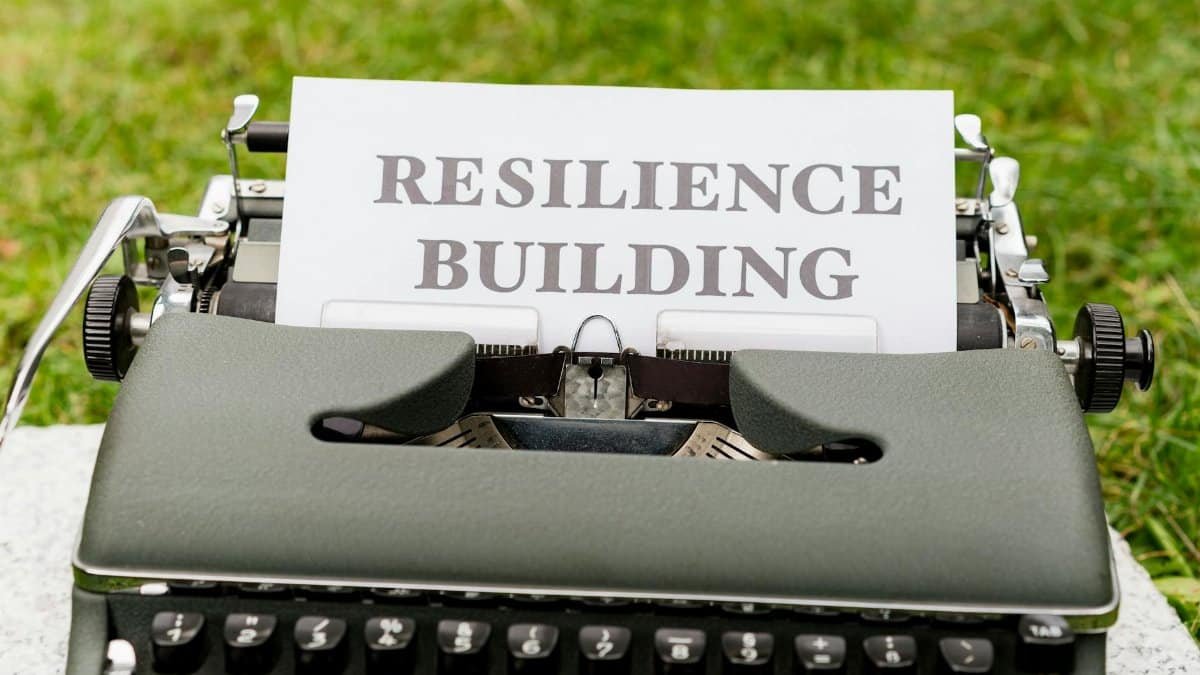
Resilience isn’t innate; it’s built, and meditation is the builder. By fostering awareness of thoughts without judgment, it helps workers bounce back from setbacks. A study published in the Journal of the American Medical Association showed that mindfulness-based interventions reduce symptoms of anxiety and depression in professionals. In the context of calm wellness healing, this translates to handling criticism or failures at work without spiraling. It’s about training the mind like a muscle, making it stronger against the daily grind.
Integrating Meditation into Busy Schedules

Who has time for hour-long sessions? Not most workers. The beauty of meditation lies in its flexibility: five minutes in the morning or during commutes can make a difference. Apps and guided sessions make it accessible, fitting into packed calendars. Research from the American Psychological Association underscores that even brief practices yield benefits, like improved mood and lower burnout rates. Start small, build the habit, and watch it transform your workday without overwhelming your routine.
Overcoming Common Obstacles to Starting

Skeptics often say meditation feels awkward or ineffective at first. That’s normal; the key is persistence. Distractions like racing thoughts are part of the process, teaching patience. For those in demanding fields like tech or healthcare, group sessions or online communities provide accountability. Evidence from clinical trials indicates that consistent practice leads to lasting changes in brain function, making it easier over time. Don’t let initial hurdles deter you; the payoff in reduced burnout is worth it.
Long-Term Impact on Career and Well-Being

Beyond immediate relief, meditation fosters long-term career sustainability. Workers who practice report higher job satisfaction and lower turnover intentions. In 2025, with remote work still dominant, maintaining mental health is critical. Calm wellness healing via meditation equips individuals to navigate economic uncertainties and evolving job markets. It’s not just about surviving the week; it’s about thriving in a career without sacrificing personal health.
Success Stories from Everyday Professionals

Take Mark Thompson, a New York accountant who hit rock bottom with burnout last year. After adopting daily meditation, he regained his edge, crediting it for clearer decision-making. Similarly, nurses in busy hospitals have shared how breathwork sessions help them manage shift work stress. These anecdotes align with broader trends, showing meditation’s role in real lives. It’s proof that simple mindful habits can rewrite the narrative on workplace exhaustion.
Expert Tips for Maximizing Benefits

To get the most out of meditation, combine it with other habits like exercise or journaling. Experts recommend setting intentions, focusing on gratitude to amplify effects. Track progress in a notebook to see improvements in focus and calm. For those seeking depth, workshops or retreats offer immersion. Remember, consistency trumps perfection; even imperfect practice builds the foundation for lasting calm wellness healing in a burnout-prone world.