
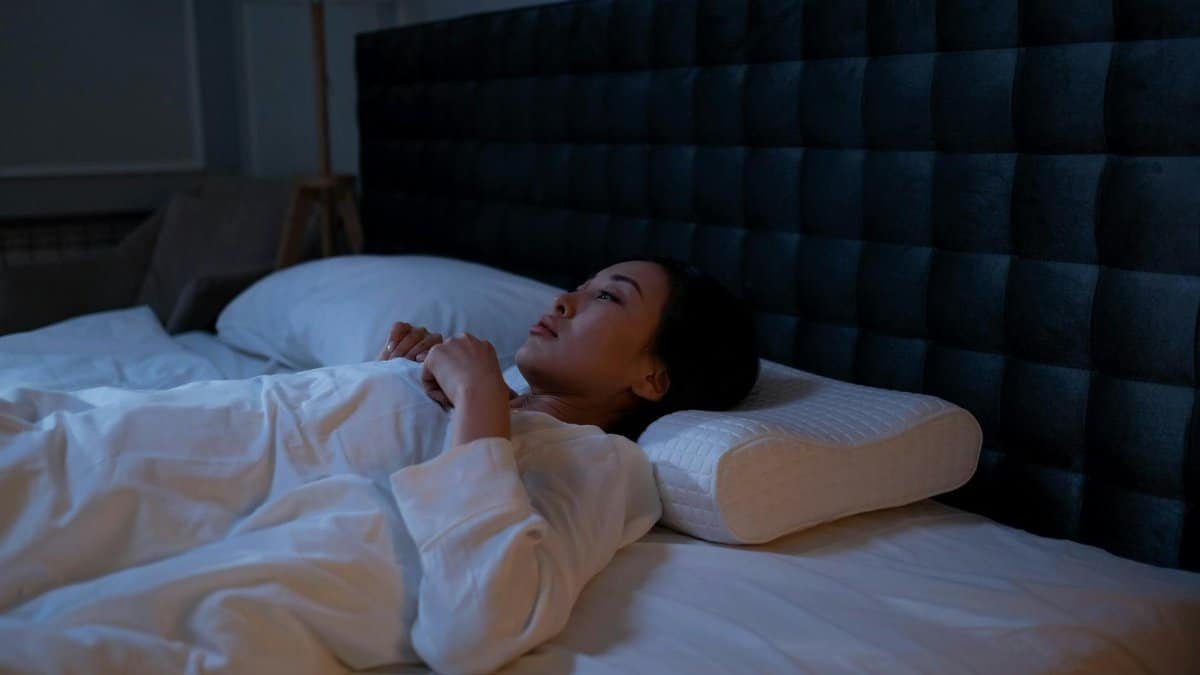
New data shows 68% of U.S. parents report insomnia symptoms, according to a recent survey from the American Academy of Sleep Medicine. Amid packed schedules and endless kid demands, many are turning to meditation as a lifeline. Enter calm clarity breathwork, a targeted practice blending deep breathing with mindfulness to quiet the mind and ease into rest. Parents swear it cuts through the chaos, delivering real relief without pills or gadgets. This approach is gaining traction fast, offering a simple path to better sleep in a high-stress world.
What Is Calm Clarity Breathwork?

Calm clarity breathwork combines controlled breathing techniques with meditative focus to foster mental peace. It draws from ancient traditions but adapts them for modern life. Parents use it to unwind after bedtime battles or late-night worries. The method emphasizes slow inhales and exhales, paired with visualizations that clear mental fog. Experts say it activates the parasympathetic nervous system, promoting relaxation. For sleep-deprived moms and dads, this could be the key to reclaiming restful nights.
Why Parents Struggle with Insomnia

Parenting ramps up stress levels, leading to sleepless nights. Kids’ needs don’t clock out at 9 p.m., and neither do parental brains. A study from the National Sleep Foundation highlights how fragmented sleep patterns plague new parents, with 76% experiencing disruptions. Add work pressures and household chaos, and insomnia sets in. Meditation steps in here, addressing the root causes like anxiety and overthinking that keep eyes wide open.
How Meditation Targets Sleep Issues

Meditation rewires the brain to handle stress better. It reduces cortisol, the hormone that fuels wakefulness. For parents, practices like calm clarity breathwork help shift from fight-or-flight mode to rest-and-digest. Research backs this up: A meta-analysis in JAMA Internal Medicine found mindfulness meditation improves sleep quality significantly. Parents report falling asleep faster and staying asleep longer after consistent sessions.
Step-by-Step Guide to Calm Clarity Breathwork

Start by finding a quiet spot. Sit comfortably and close your eyes. Inhale deeply through your nose for four counts, hold for four, then exhale slowly for six. Visualize clarity washing over you with each breath. Repeat for 10 minutes. Parents can do this right before bed or during a midday break. It’s straightforward, requiring no equipment, making it ideal for busy schedules.
Real Parents Share Their Success

Maria Lopez, a mom of two from Chicago, tried everything for her insomnia until meditation clicked. “Calm clarity breathwork changed my nights,” she says. “I go from wired to relaxed in minutes.” Similar stories flood online forums. Dads like Tom Rivera in New York credit it with better focus during the day too. These anecdotes align with growing evidence that such practices deliver tangible benefits.
The Science Behind Breathwork and Sleep

Breathwork influences the vagus nerve, which regulates relaxation. Studies show it lowers heart rate and blood pressure, easing the body into sleep mode. A report from Harvard Medical School details how mindful breathing combats insomnia by interrupting rumination cycles. For parents juggling endless to-dos, this science offers hope. It’s not just hype; controlled trials confirm improved sleep metrics after regular use. Check out the findings from Harvard Health Publishing.
Integrating Meditation into Daily Routines

Parents don’t need hours to meditate. Slip in five-minute sessions during commutes or while kids nap. Apps guide calm clarity breathwork with audio cues, fitting seamlessly into hectic days. Consistency matters more than duration. Start small, build up, and watch insomnia fade. Experts recommend pairing it with bedtime rituals like dimming lights for maximum effect.
Potential Challenges and Solutions

Not everyone nails meditation on the first try. Restless minds wander, especially for parents with high anxiety. Solution: Use guided sessions to stay on track. If breathwork feels awkward, begin with shorter bursts. Persistence pays off, as most users see improvements within weeks. Address common hurdles like distractions by creating a dedicated space free from kid interruptions.
Broader Benefits for Family Life

Beyond beating insomnia, meditation boosts patience and emotional resilience. Parents handle tantrums better when well-rested. Calm clarity breathwork enhances focus, helping with work-life balance. Families notice the ripple effects: happier homes and stronger bonds. A survey by the Pew Research Center notes rising mindfulness adoption among U.S. families, linking it to improved well-being. Explore more at Pew Research Center.
Tips for Long-Term Success

Track your progress in a journal to stay motivated. Combine breathwork with other habits like limiting screen time before bed. Seek community support through local groups or online classes. Remember, it’s about progress, not perfection. As more parents embrace these tools in 2025, expect wider recognition of their role in combating family stress and sleep woes.