

In the quiet suburbs of Portland, Oregon, 78-year-old Margaret Ellis once dreaded the simple act of reaching for a high shelf or stepping down from her front porch. Arthritis had stolen her confidence, turning everyday tasks into cautious ordeals. Then she discovered wall yoga, a gentle practice that uses the steadfast support of a household wall to ease into stretches and poses. What began as tentative sessions twice a week transformed her mobility, allowing her to garden again and chase her grandkids without fear. Across the country, seniors like Margaret are finding renewed independence through this accessible form of yoga, proving that profound change can come from something as unassuming as leaning against a wall.
The Rise of Wall Yoga Among Older Adults
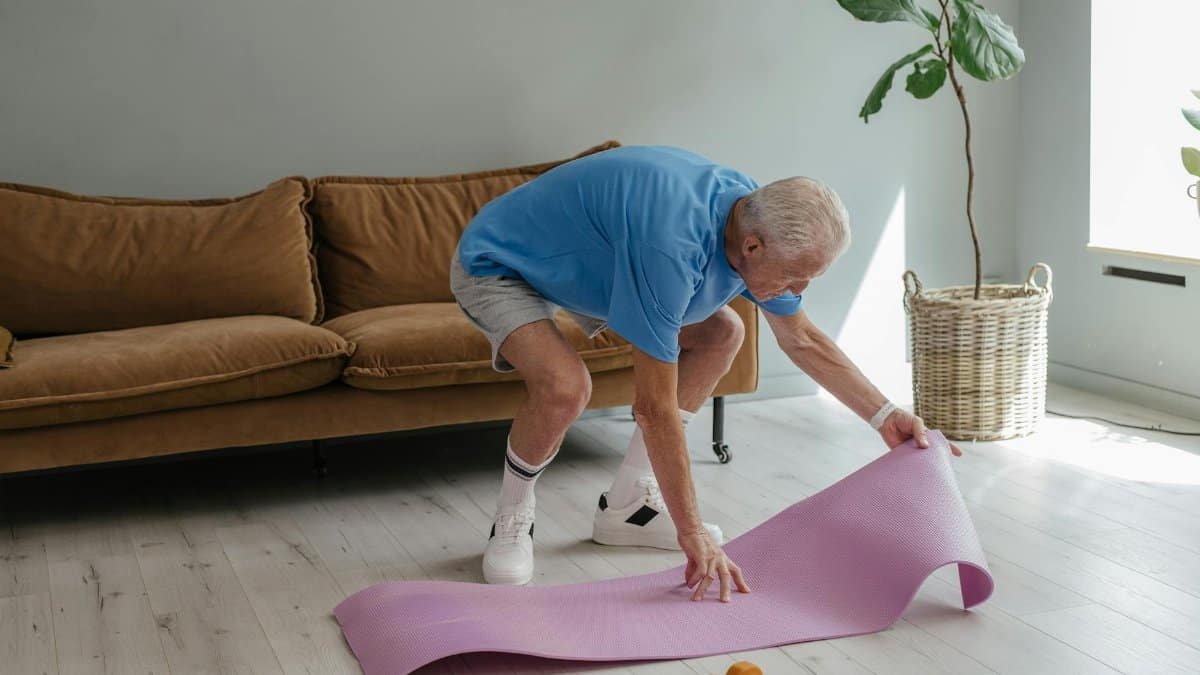
Wall yoga has quietly surged in popularity over the past decade, particularly among those over 65. Community centers, retirement villages, and even online platforms now offer classes tailored for beginners with limited flexibility. Unlike traditional yoga that demands mats and intricate balances, this variation relies on the wall as a prop, making it ideal for seniors wary of floor work. Instructors emphasize its low risk of injury, drawing participants who might otherwise avoid exercise altogether. A 2022 survey by the National Council on Aging found that 40 percent of respondents aged 60 and older reported improved daily function after trying wall supported routines, highlighting its practical appeal in an era of aging populations.
Why Walls Provide the Perfect Support

The wall serves multiple roles in this practice: as a stabilizer, mirror for alignment, and gentle resistance tool. For seniors, it eliminates the need to get down and up from the floor, a common deterrent. Physical therapists often recommend it because it promotes proprioception, the bodys sense of position in space, without the instability of freestanding poses. By pressing palms or back against the wall, practitioners engage core muscles subtly while stretching hamstrings or shoulders. This grounded approach builds strength incrementally, fostering trust in ones own body. Experts note that the vertical plane also aids in spinal decompression, offering relief from the compression that accumulates with age.
Key Benefits for Mobility and Balance

Mobility restoration stands at the forefront of wall yogas advantages for seniors. Poses like the wall warrior or modified downward dog target hip flexors and ankles, areas prone to stiffness. Regular practice enhances joint range of motion, crucial for walking, climbing stairs, and preventing falls, which affect one in four older adults annually according to the CDC. Balance improves through weight shifting exercises against the wall, activating stabilizing muscles in the legs and core. Participants often report better posture and reduced lower back pain within weeks, attributes that translate directly to safer, more active lifestyles.
Simple Poses Every Senior Can Try
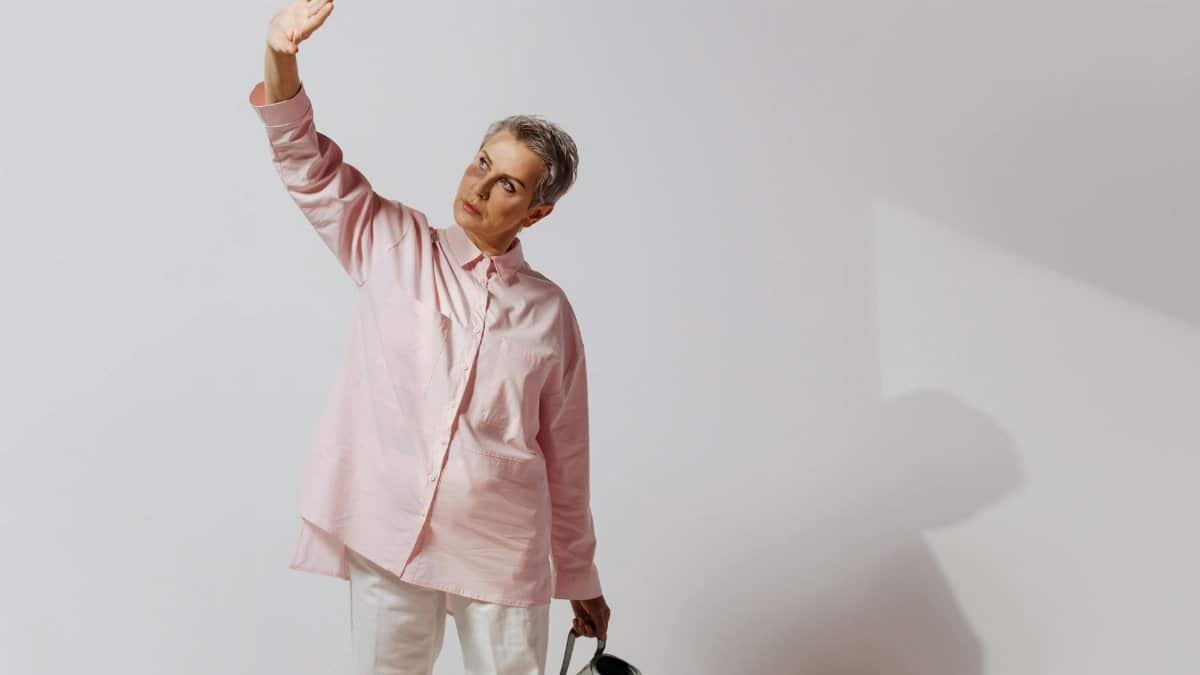
Getting started requires no special equipment beyond a clear wall space. Begin with mountain pose: stand tall with feet hip width apart, hands on the wall at shoulder height, and gently roll shoulders back. Progress to leg lifts, raising one foot while pressing the opposite hand into the wall for stability. The L shape pose involves placing hands on the wall and walking feet back to form an inverted L, stretching calves and hamstrings effortlessly. Calf stretches and side bends round out a basic 15 minute routine. Instructors advise holding each for 30 seconds, breathing deeply, and repeating two to three times per side.
Real Life Transformations in Senior Communities
At the Silver Maple Retirement Community in Florida, wall yoga sessions draw over 50 residents weekly. Tom Reilly, 72, credits it with helping him regain the agility to play golf after knee surgery. His story echoes dozens others: women lifting arms overhead without shoulder twinges, men squatting to tie shoes pain free. Group classes build camaraderie, turning solitary exercise into social events. One resident, Evelyn Torres, shared how it eased her sciatica, allowing her to volunteer at the local library again. These anecdotes underscore wall yogas role not just in physical recovery, but in reclaiming joy from movement.
Expert Insights from Yoga Therapists
Jenny Larkin, a registered yoga therapist with 20 years experience specializing in seniors, champions wall yoga for its adaptability. She points to its use in rehabilitation settings, where patients progress faster than with mat based alternatives. Larkin stresses modifications, like wider stances for those with balance issues or seated versions against a wall. In a study published in the Journal of Aging and Physical Health, researchers observed significant gait improvements after eight weeks of wall supported yoga; details available at this link. Her advice: consistency trumps intensity, with even short daily sessions yielding results.
Addressing Common Concerns and Barriers

Skepticism persists among some seniors, who fear yoga means contortions or sweat soaked studios. Wall yoga dispels these myths by staying upright and undemanding. Those with osteoporosis can modify by avoiding deep forward bends, while chair users adapt poses accordingly. Cost poses another hurdle, but free YouTube tutorials from certified instructors abound, and many libraries offer virtual access. Motivation wanes easily, so pairing with a buddy or app reminders helps. Medical clearance remains wise, especially for those with recent surgeries or chronic conditions, ensuring safe integration.
Integrating Wall Yoga into Daily Routines
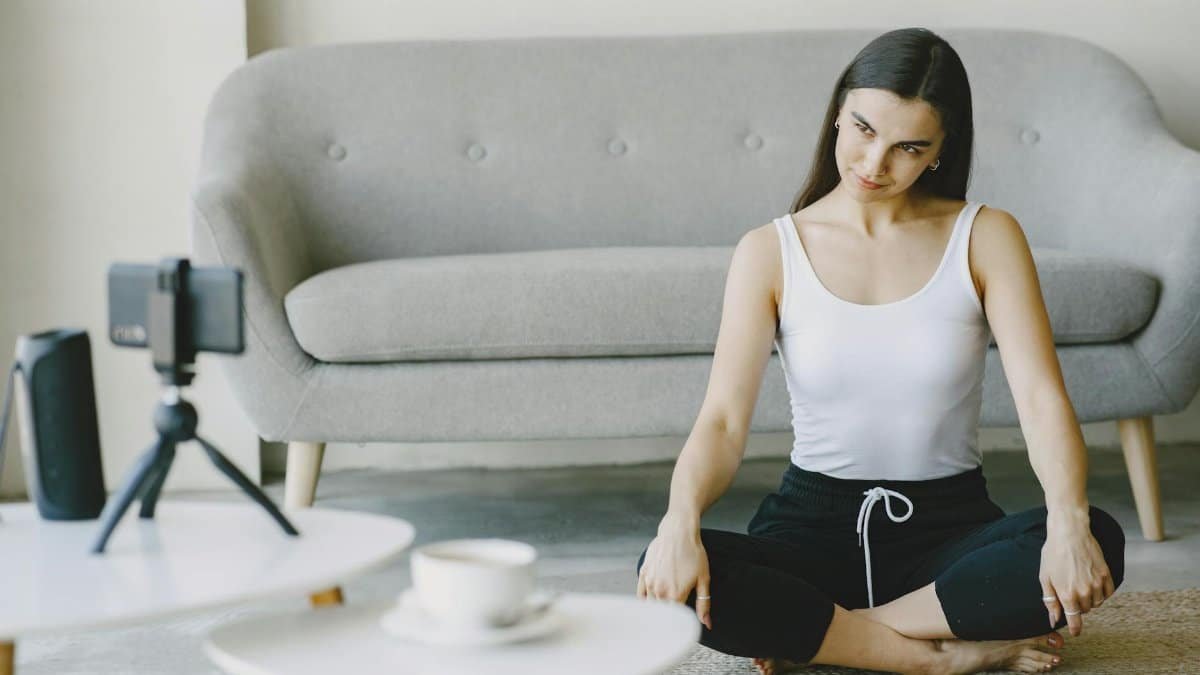
Seamless incorporation elevates wall yoga from workout to habit. Mornings suit gentle wake up stretches by the bedroom wall, energizing the body for the day. Kitchen counters double as impromptu props during coffee breaks, targeting tight hips from prolonged sitting. Evening wind downs with shoulder openers promote better sleep. Tracking progress in a journal reinforces gains, like easier grocery bag lifts or steadier walks. Families encourage participation by joining in, turning it into intergenerational bonding. Over time, these micro sessions compound into substantial mobility boosts.
Fall Prevention and Long Term Health Gains

Falls represent the leading injury cause for seniors, costing billions in healthcare yearly. Wall yoga counters this by honing reflexes and lower body strength through dynamic poses like tree variations against the wall. A Harvard Medical School review linked such practices to 25 percent fewer falls; see their report here. Beyond prevention, it supports cardiovascular health via mild elevation of heart rates and stress reduction through breathwork, contributing to overall vitality in later years.
Resources for Getting Started

Abundant options exist for newcomers. The Yoga for Seniors organization provides free wall yoga guides at yogaforseniors.org. Local YMCAs and senior centers host in person classes, often subsidized. Apps like Daily Yoga offer wall specific sequences with voice cues. Books such as “Yoga for Healthy Aging” by Baxter Bell include dedicated chapters. Virtual communities on Facebook connect practitioners for tips and encouragement. Starting small, with five minutes daily, invites sustainable engagement.
The Broader Future of Adaptive Yoga Practices
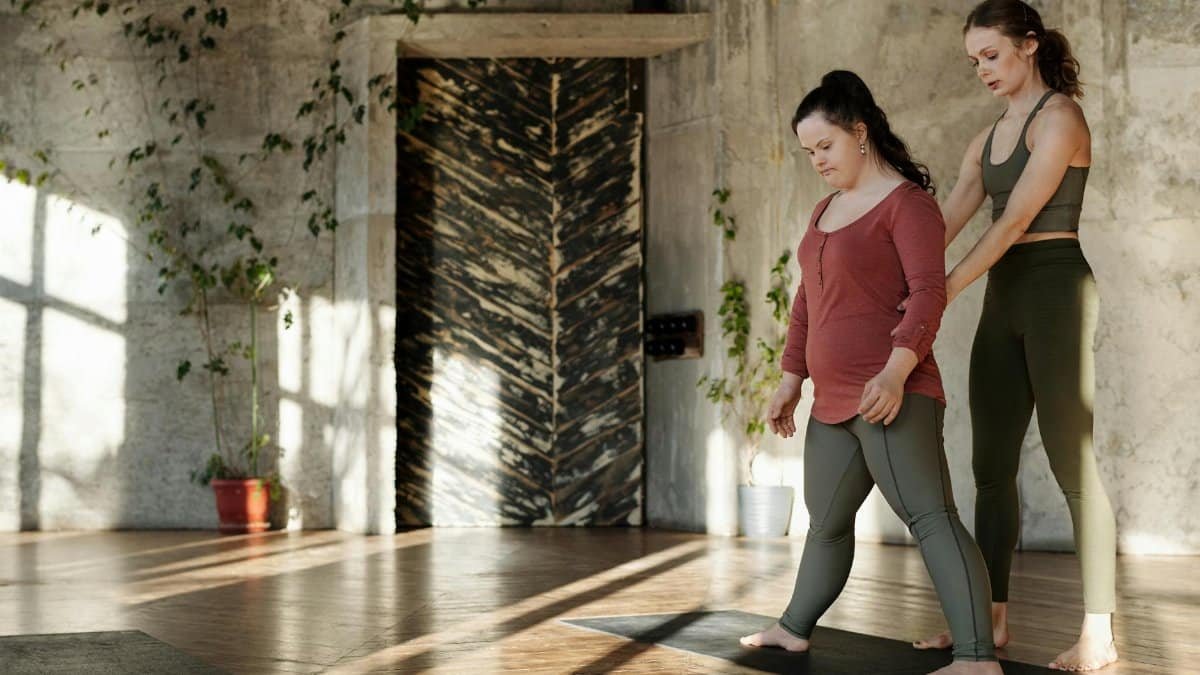
Wall yoga signals a shift toward inclusive movement for all ages and abilities. As baby boomers age, demand grows for home based, prop reliant methods that bypass gym intimidation. Innovations like textured walls for grip or portable panels expand accessibility. Researchers explore tech integrations, such as VR guided sessions, to enhance engagement. Policymakers eye its potential in Medicare wellness programs, recognizing cost savings from healthier seniors. Ultimately, wall yoga exemplifies how subtle adaptations unlock profound wellness, inviting everyone to stand taller against lifes walls.
This practice, rooted in ancient tradition yet freshly relevant, reminds us that mobility need not fade with years. Seniors embracing wall yoga not only move better but live fuller, proving resilience comes in many forms.