
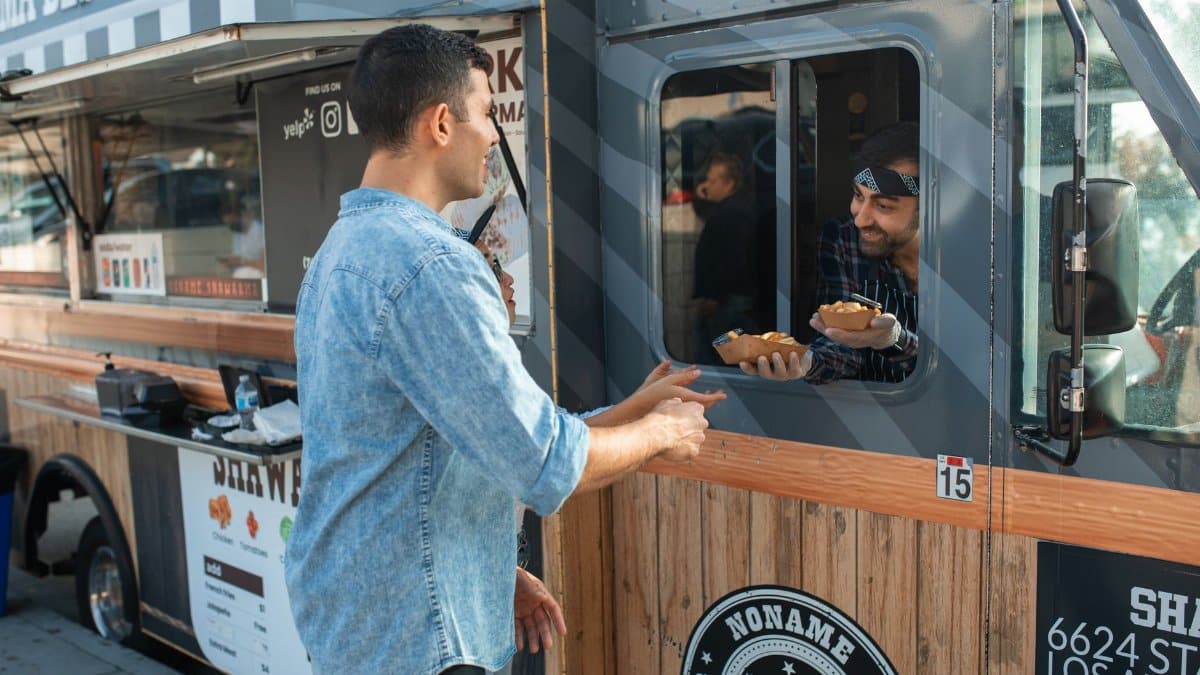
Along a stretch of Interstate 5 where diesel fumes usually drown out every other smell, the scent of cardamom and charred onion now cuts through the night. Drivers who once grabbed a burger and kept rolling are lining up for dal and roti instead. The shift has a name among highway regulars and a sharper origin in federal policy. Indian food truck stops have become unlikely landmarks of a crackdown that stripped driving privileges from thousands of immigrant truckers, many of them Punjabi, and pushed a roadside economy into a new shape.
A highway culture built by Punjabi drivers

For more than a generation, Punjabi drivers have been a visible part of California freight. Many came from farming families in India, learned the long haul trade from cousins already on the road, and built networks that stretched from the Central Valley to the ports. Truck stops were not only places to fuel. They were meeting points where drivers compared loads, shared news from home, and ate food that tasted like the villages they had left. That pattern mattered because the job is isolating. A familiar plate at 2 a.m. can steady a person who has been alone in a cab for twelve hours.
On a recent night outside Bakersfield, the line at one counter formed before the coffee at the chain next door had finished brewing. The crowd was not only Punjabi. Latino drivers, white owner operators, and a few weary families in minivans stood shoulder to shoulder. What they shared was hunger and a schedule that does not respect dinner hour.
What the license losses changed overnight

The frenzy did not begin in a kitchen. It began when federal authorities tightened rules that immigrant drivers had relied on to stay legal behind the wheel. Thousands of Punjabi truckers lost licenses or found renewals blocked, according to drivers, advocates, and restaurant owners who watched the lots thin out. Some men who had hauled produce for a decade suddenly could not take a dispatch. Families that depended on mileage pay faced rent due and trucks still financed.
Policy details are contested, and officials frame the effort as a matter of road safety and lawful status. Drivers describe something colder: a sudden wall between a skilled worker and the only trade he knows. When the cabs stopped moving, the people did not vanish. Many stayed near the corridors they already knew, looking for work that did not require a commercial license.
Kitchens that followed the trucks
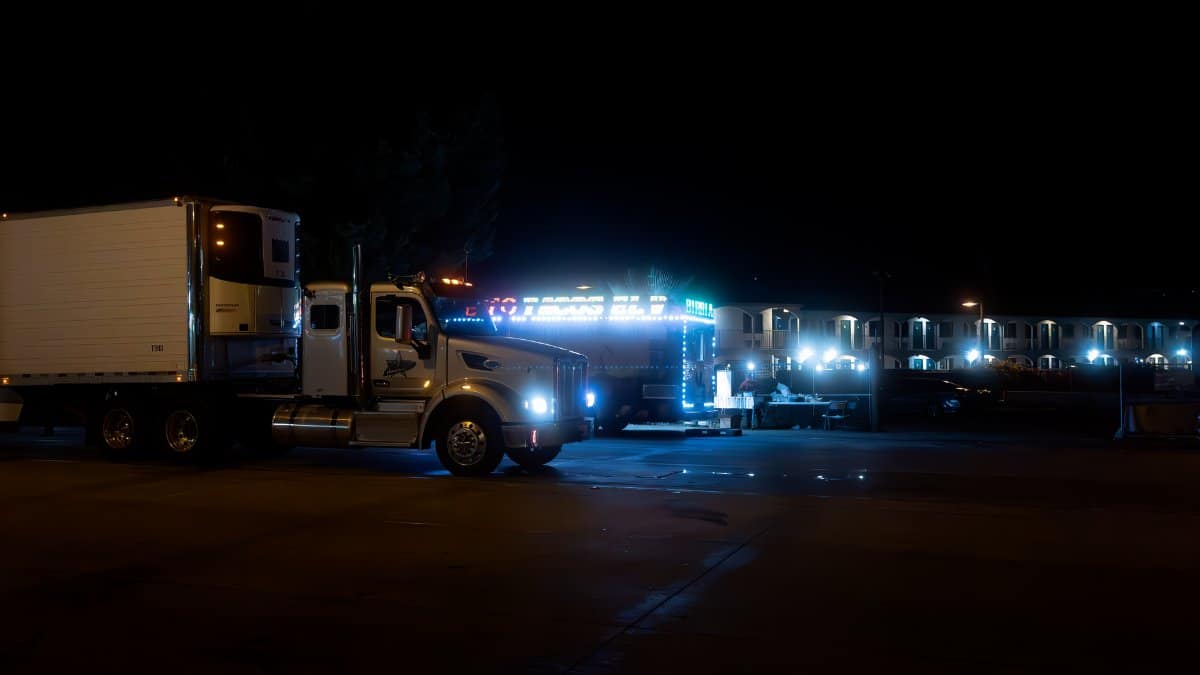
The response was entrepreneurial and fast. Cooks who had been feeding friends from apartment kitchens leased spare bays beside fuel islands. Former drivers pooled savings to open counters serving aloo gobi, chole, and tandoori chicken under fluorescent lights. A few converted catering vans into permanent Indian food truck stops, parking where overnight lots already drew tired crews. The phrase sounds like a novelty. On the ground it is a business model: high traffic, late hours, customers who will pay for heat and spice when a drive through window offers only salt.
The speed of the shift says something about how immigrant networks already worked. Recipes, rental leads, and wholesale contacts moved through family chats faster than any chamber of commerce could advertise a vacant bay. What looks sudden from the highway was, for many families, a redeployment of skills they already had: cooking for crews, bargaining for space, staying open when everyone else has gone home.
Why these stops feel different from chain plazas
Chain plazas are designed for speed and sameness. The new Indian counters are designed for recognition. Menus are often short and written in English and Punjabi. Someone behind the steam table will ask whether you want the dal spicy or mild, then remember the answer a week later. Music from a phone speaker mixes with the idle of engines. The seating is plastic and the floors are mopped too often because gravy travels.
Regulars say the difference is not romance. It is reliability. A driver who cannot read a corporate menu in a hurry can point, get a full meal, and sit with people who understand why he is checking his phone for a broker who may never call back. Portions tend to be large because the customers burn fuel in more than one sense. A man who will not see a kitchen again until the next state line wants rice that lasts, not a tasting menu.
The economics of a plate of dal at midnight

Margins on roadside food are thin, and spice does not repeal rent, gas, or health rules. Owners describe a simple math problem. A plate priced for a working driver has to cover ingredients that may be trucked in from a city market, labor that stretches past midnight, and the cost of a location that a fuel brand controls. The boom helps because volume is real. When lots fill, a small kitchen can sell hundreds of meals in a night.
Still, Indian food truck stops are not a guaranteed fortune. Owners say they opened because relatives needed income after losing driving work, not because they had studied hospitality. Health inspectors, parking disputes, and seasonal freight dips can erase a good month. The frenzy is visible. The balance sheet is quieter. Cash flow also depends on who is still allowed to drive. If fewer Punjabi crews stop, the core customer thins, and the kitchen must win over drivers who grew up on burgers. Some already have. Curiosity is a market too.
Faith, language, and a familiar counter

Much of this food culture is tied to Sikh life, even when the counter is a business and not a gurdwara. The instinct to feed a stranger has deep roots in langar, the free community meal that treats a guest as equal. Roadside restaurants are not free, and it would be false to pretend a commercial plate is worship. Yet the habit of welcome shows up in extra roti, a cup of chai on the house, a chair pulled out for an older driver.
Language does similar work. A few words of Punjabi can lower the shoulders of a man who has spent the day negotiating in English he does not fully trust. For readers who never enter a temple, the spiritual note is easy to miss. It lives in how people are received, not in a sign over the door.
Tension between enforcement and the food boom
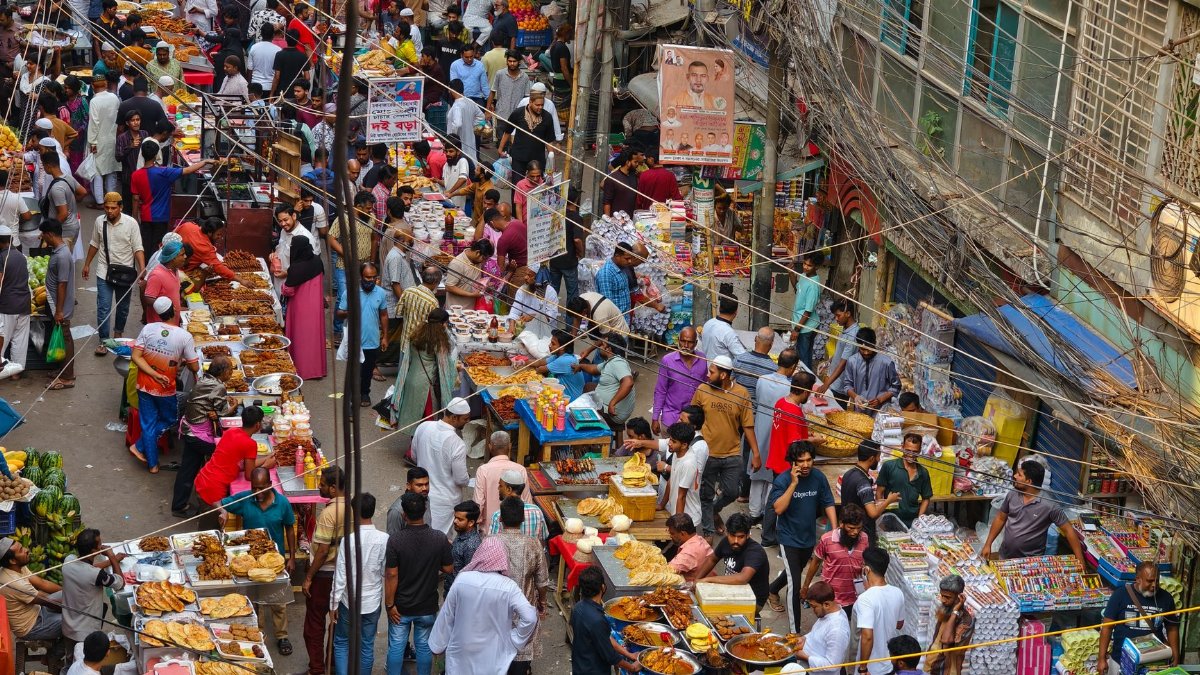
None of this erases the conflict underneath. Supporters of the crackdown argue that licenses must match lawful status and that highways are no place for paperwork gaps. Critics answer that the state trained, tested, and taxed these drivers for years, then cut them off without a path that matches the labor the economy still needs. Food cannot settle that argument. It only shows where the pressure went.
There is also a risk of treating Indian food truck stops as proof that everything worked out. A busy kitchen does not restore a revoked license. It does not pay a truck note. It can even hide how many families left the state or slid into informal work with fewer protections. Celebration and loss are sitting at the same table. County officials, for their part, face a practical mess of permits, grease traps, and overnight parking that was never designed for a sudden cluster of new kitchens.
What remains when the rigs keep moving

Freight will keep moving on California highways whether or not these particular drivers are in the cabs. The question is who eats, who cooks, and who is allowed to earn. If enforcement stays tight, more former truckers may try the restaurant trade, and more travelers may come to expect saag and rice beside the diesel pumps. If rules ease, some cooks may return to the road and leave the steam tables to relatives.
Either way, the map has changed. Indian food truck stops now mark a political decision as clearly as they mark a meal. I left the highway with cardamom still in mind and a clearer sense that policy does not stay in hearing rooms. It shows up as a line at midnight, a pot of dal, and a man deciding whether the next turn in his life is a highway or a kitchen.