
Sunlight poured through the wide windows of a small community center in suburban Ohio, casting a warm glow over a group of exercisers mid-plank. But this wasn’t just any workout session. Between sets of burpees, the instructor led a brief prayer, tying physical exertion to spiritual renewal. Welcome to the world of faith gym fusion—a growing movement where sweat and scripture intertwine. Across the U.S., these hybrid spaces are popping up, offering a unique blend of high-intensity interval training (HIIT) and faith-based reflection. For many, it’s a chance to strengthen both body and soul in a single hour. As Americans increasingly seek holistic wellness, this trend taps into a deeper hunger for connection, purpose, and health. It’s not just about burning calories; it’s about building community and centering values in a fast-paced world.
The Roots of Faith Gym Fusion

Faith gym fusion didn’t emerge overnight. Its origins trace back to church basements and community halls where fitness classes doubled as fellowship hours. In the early 2000s, programs like Holy Yoga began pairing spiritual practices with physical movement, paving the way for broader integration. Today, it’s evolved into standalone gyms or hybrid classes where prayer and push-ups coexist. These spaces often draw from Christian traditions—think Bible verses during cooldowns—but some incorporate broader spiritual themes to welcome diverse members. The appeal lies in the dual focus: a 2021 survey by the Pew Research Center found that 62% of Americans value wellness practices that align with their beliefs. For many, faith gym fusion fills that gap, merging the sacred with the sweaty.
Take a typical class. Participants might start with a short devotional, then dive into circuits of squats and kettlebell swings. The rhythm feels seamless, as if lifting weights mirrors lifting burdens through faith. It’s a powerful draw for those who find traditional gym settings isolating or purely transactional.
A Space for Body and Spirit

What sets faith gym fusion apart is its emphasis on holistic growth. Standard gyms prioritize metrics—reps, calories, gains. But here, the focus splits between physical goals and inner peace. Instructors often weave spiritual encouragement into workouts, reminding participants to “carry their strength with grace” or “push through with purpose.” A 2019 study from the National Institutes of Health noted that combining mindfulness or faith with exercise can reduce stress more effectively than fitness alone. For attendees, that translates to a workout that feels less like a chore and more like a ritual.
One woman, after a session in a Dallas-area faith gym, shared how the experience reframed her approach. “I used to dread the treadmill,” she admitted with a laugh. “Now, I’m praying through each mile. It’s like I’m running toward something bigger.” Her words echo a sentiment common among participants: the gym becomes a sanctuary, not just a sweatbox.
Community as the Core
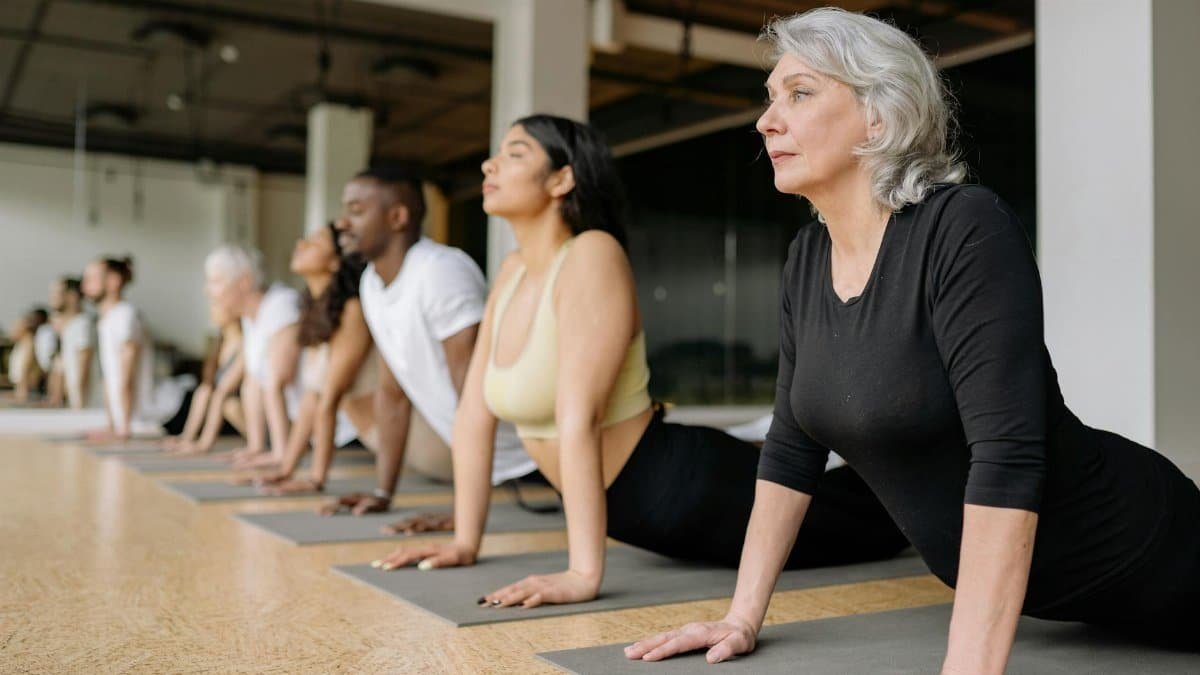
Walk into a faith-based gym, and the vibe often feels different. There’s chatter before class, shared smiles, even hugs. Unlike the headphone-clad anonymity of big-box fitness centers, these spaces thrive on connection. Many participants cite community as the biggest draw. A report by the Centers for Disease Control and Prevention highlights that social support boosts exercise adherence, and faith gym fusion leverages that naturally. Members pray for each other’s struggles, celebrate milestones, and sometimes linger for coffee after class. It’s less about competition and more about collective uplift.
This sense of belonging resonates deeply in 2025, as loneliness remains a public health concern. These gyms offer a counterpoint to digital disconnection, grounding people in real-world bonds. For middle-aged adults especially, who often juggle work and family, the blend of fitness and fellowship provides a rare space to recharge on multiple levels.
Challenges in the Fusion Model

Not everything about faith gym fusion is a perfect rep. One hurdle is inclusivity. While many programs aim to be welcoming, the heavy reliance on specific religious language—often Christian—can alienate those from other faiths or none at all. Some gyms have adapted by focusing on universal themes like gratitude or resilience, but the balance is tricky. Online discussions often reveal mixed feelings; one anonymous post described frustration at feeling “preached to” during a workout, despite appreciating the supportive atmosphere. Striking a tone that feels authentic yet accessible remains a work in progress for many programs.
Another issue is scalability. These gyms often operate on tight budgets, relying on volunteer instructors or small memberships. Expanding without losing the intimate, faith-driven feel is a challenge. Yet, demand suggests the model has staying power if it can navigate these growing pains.
The Science Behind the Sweat and Soul

There’s more than anecdotal evidence backing faith gym fusion. Research shows that integrating spiritual practices with physical activity can enhance mental health outcomes. A 2020 study published through American Psychological Association resources found that individuals who engage in faith-based wellness activities report lower anxiety and higher life satisfaction. The act of pairing prayer or meditation with movement seems to amplify endorphins while grounding the mind. It’s a double win: the body gets stronger, and the spirit feels steadier.
Instructors in these programs often lean into this synergy. They might guide a group through deep breathing with a focus on releasing worry, tying it to a scripture or affirmation. For participants, the effect can be profound, turning a 45-minute session into a reset for the week ahead. Science and soul, it turns out, aren’t such strange bedfellows.
Making It Work in Everyday Life

For those curious about faith gym fusion, starting doesn’t require a specialty gym. Many churches and community centers now offer hybrid classes, often at lower costs than commercial fitness chains. Virtual options have also surged, with streamed sessions blending devotionals and dumbbells for home workouts. The key is finding a group or program that aligns with personal values—whether that’s a specific faith tradition or a broader spiritual focus. Checking local listings or even asking around at a place of worship can uncover hidden gems.
Beyond formal classes, the principle can apply solo. Pairing a morning run with a moment of reflection, or listening to an inspiring podcast during a weight session, brings the concept into daily routines. It’s less about structure and more about intention—making space for both physical effort and inner stillness, wherever life allows.
A Movement With Momentum

Faith gym fusion shows no signs of slowing down. As wellness culture evolves, the desire for meaning alongside movement keeps driving interest. Gyms and programs are popping up from coast to coast, each with its own flavor—some lean heavily on faith, others prioritize fitness with a spiritual sprinkle. What unites them is a shared belief: the body and spirit aren’t separate. They’re two sides of the same coin, stronger together.
For middle-aged Americans especially, this trend offers a fresh way to tackle health goals without sacrificing deeper values. It’s a reminder that wellness isn’t just about looking good—it’s about feeling whole. Whether through a group class or a quiet personal practice, faith gym fusion invites a kind of strength that lasts beyond the last rep. And in a world that often pulls us in a hundred directions, that’s a powerful anchor.