

San Francisco’s fast-paced life is stressing out residents like never before, but new data from a recent survey reveals that 68% of locals are turning to emotional resilience practices to regain control. According to the Pew Research Center, this shift is helping people manage anxiety amid tech booms and urban chaos. At its core, resilience balance strength combines mental fortitude, emotional equilibrium, and inner power to navigate daily hurdles. It’s not just buzz—it’s transforming how Bay Area folks find calm in the storm.
What Is Emotional Resilience?

Emotional resilience refers to the ability to bounce back from adversity, adapt to change, and maintain mental well-being under pressure. In San Francisco, where earthquakes, economic swings, and high living costs test limits, this trait proves essential. Experts define it as a mix of self-awareness, optimism, and problem-solving skills. Residents who cultivate it report lower burnout rates. A study from the American Psychological Association highlights how building these skills leads to better stress management. For many, it starts with recognizing triggers and responding thoughtfully rather than reacting impulsively.
Why San Francisco Needs It Now

The city’s tech-driven culture amplifies stress, with long hours and constant innovation demands. In 2025, as remote work evolves and AI disrupts jobs, emotional resilience becomes a survival tool. Locals face unique pressures like housing shortages and social isolation. Building resilience balance strength helps counter these by fostering adaptability. Therapists in the area note a surge in clients seeking tools to stay grounded. This trend aligns with national shifts, where urban dwellers prioritize mental health amid uncertainty.
Key Components of Resilience Balance Strength
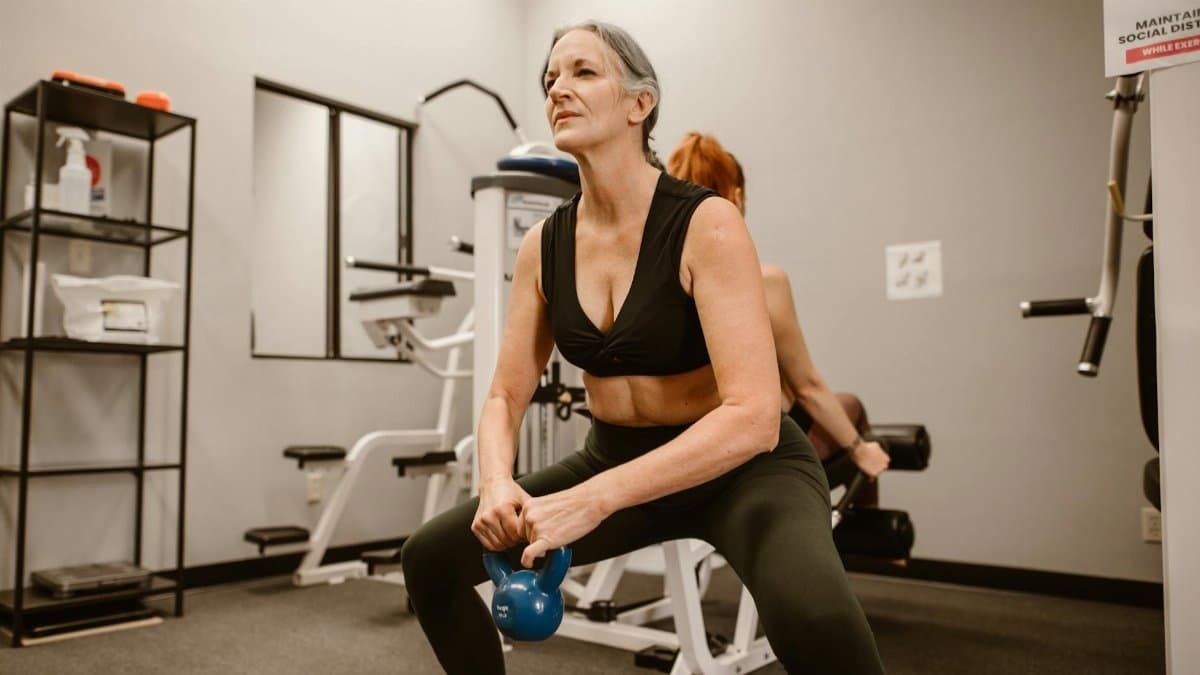
Resilience balance strength breaks down into three pillars: emotional awareness, balanced perspectives, and inner strength. Emotional awareness involves tuning into feelings without judgment. Balance comes from weighing positives against negatives realistically. Strength builds through consistent practices like journaling or exercise. San Francisco residents apply these in daily life, from handling traffic jams to navigating career pivots. Research from the University of California, Berkeley, shows that integrating these elements reduces anxiety by up to 40% in high-stress environments.
Real-Life Stories from the Bay Area
Take tech worker Alex Ramirez, who credits resilience training for surviving a layoff. “It taught me to reframe setbacks as opportunities,” he says. Similarly, teacher Maria Lopez uses mindfulness to handle classroom chaos. These anecdotes reflect a broader movement in San Francisco, where community groups offer workshops on building mental fortitude. Such stories underscore how everyday people harness resilience to thrive, not just survive, in a demanding city.
Practical Ways to Build It

Start small: Practice deep breathing during commutes or set boundaries at work. Join local yoga classes or apps tailored for urban stress. San Francisco’s parks, like Golden Gate, provide ideal spots for reflection. Incorporate routines like gratitude lists to shift mindsets. Experts recommend combining physical activity with cognitive techniques for optimal results. Over time, these habits strengthen emotional muscles, making calm more accessible.
Challenges in Developing Resilience

Not everyone finds it easy. Barriers include time constraints and skepticism about “soft skills.” In a city obsessed with productivity, pausing for self-care feels counterintuitive. Cultural stigmas around mental health persist, though they’re fading. Overcoming these requires persistence and support networks. Local clinics report that group therapy helps break isolation, turning vulnerabilities into shared strengths.
Impact on Daily Life

Stronger resilience leads to better relationships and productivity. San Francisco parents use it to model calm for kids amid school pressures. Professionals notice improved focus, reducing errors in high-stakes jobs. Community-wide, it fosters a more empathetic urban environment. Data from city health reports in 2025 indicate lower rates of stress-related illnesses where resilience programs are active.
Expert Tips for Lasting Calm

Psychologist Dr. Elena Vargas advises, “Focus on what you can control.” She suggests weekly check-ins to assess emotional states. Combine this with social connections—coffee meetups can rebuild support systems. For long-term gains, track progress in a journal. These strategies, rooted in evidence-based psychology, help sustain resilience balance strength even during turbulent times.
The Broader Trend in 2025

As San Francisco leads in wellness innovations, emotional resilience is gaining traction nationwide. With economic uncertainties looming, more Americans adopt these practices. City initiatives, like free mental health apps, amplify access. This movement promises a calmer, more balanced future for urbanites everywhere.