

Is mind-body healing the key to unlocking emotional detox while achieving mental clarity? This growing practice, which connects physical wellness with emotional and spiritual health, is gaining traction across the U.S. as people seek holistic ways to heal. Unlike mental clarity, which focuses on sharpening focus and thought patterns, emotional detox through mind-body healing targets deep-seated feelings and trauma. It’s about releasing emotional baggage to foster inner peace. As more Americans turn to these methods in 2025, understanding the distinction between these two outcomes is essential for anyone on a healing journey.
What Is Mind-Body Healing?

Mind-body healing is a holistic approach that integrates physical, emotional, and spiritual well-being. It operates on the principle that the mind and body are interconnected—stress in one can manifest as pain or illness in the other. Practices like meditation, yoga, and breathwork are often used to address emotional wounds and promote overall health. This method isn’t just about feeling better; it’s about addressing root causes of distress for lasting change.
Emotional Detox: Releasing Inner Weight

Emotional detox through mind-body healing focuses on purging negative emotions and past traumas. Unlike traditional therapy that may prioritize talking through issues, this approach often uses physical practices to release stored tension. For instance, guided meditation might help someone process grief, while somatic exercises can release anger trapped in the body. The goal is to cleanse emotionally, creating space for renewal and peace.
Mental Clarity: Sharpening the Mind
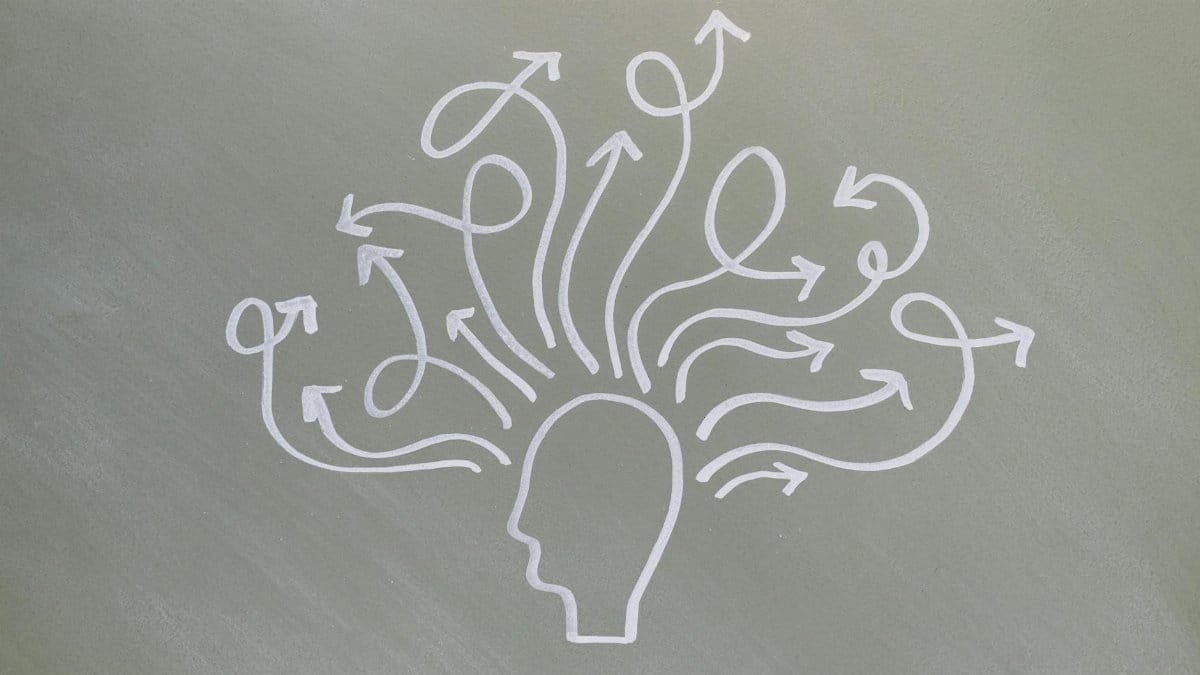
Mental clarity, on the other hand, is about decluttering thoughts and enhancing focus. It’s often achieved through mindfulness techniques or cognitive exercises that train the brain to prioritize and organize. While mind-body healing can support mental clarity—think of yoga improving concentration—it’s not the primary aim. Clarity seeks a sharp, calm mind, free from mental fog, rather than an emotional purge.
Key Differences in Approach

The approaches to emotional detox and mental clarity diverge significantly. Emotional detox via mind-body healing often involves somatic awareness, tapping into bodily sensations to release feelings. Mental clarity, however, leans on structured thinking or meditation to quiet mental chatter. One is a deep, often messy emotional release; the other is a disciplined mental reset. Both can overlap in holistic practices, but their core intents differ.
Physical Impact of Emotional Detox

Emotional detox can have tangible physical effects. Studies show that unresolved emotions like stress or anger can contribute to chronic pain or fatigue. Mind-body healing techniques, such as breathwork, have been linked to reduced cortisol levels, easing physical symptoms. According to research from National Institutes of Health, stress reduction through these practices can lower blood pressure and improve sleep, showcasing the body’s response to emotional release.
Why Mental Clarity Feels Different

Mental clarity often brings a lighter, more focused state of mind, but it doesn’t necessarily address emotional undercurrents. Someone might achieve clarity through a mindfulness app or journaling, feeling productive yet still burdened by unresolved feelings. Emotional detox, by contrast, might leave one feeling raw but liberated. As noted by experts at Mayo Clinic, combining both aspects through holistic practices can offer the most comprehensive healing.
Choosing the Right Path for You

Deciding between focusing on emotional detox or mental clarity depends on personal needs. If past trauma or heavy emotions weigh you down, mind-body healing for emotional release might be the starting point. If mental overwhelm or lack of focus is the issue, clarity-driven practices could take precedence. Many find that blending both—using holistic methods—creates balance. In 2025, with stress levels rising, tailoring your healing journey is more important than ever.