
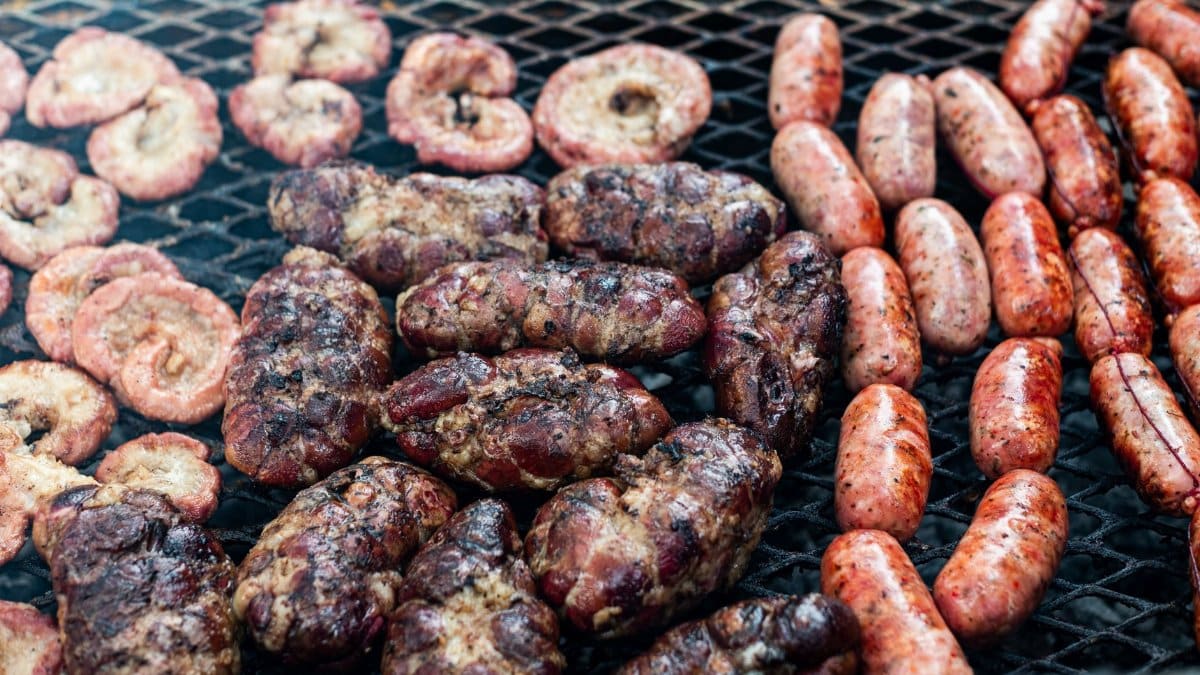
In the heart of the Midwest a familiar scene plays out on weekend evenings where locals gather around bar counters to try their luck at winning bundles of steaks and roasts. This pastime known as Minnesota Meat Raffles has woven itself into the social fabric of countless communities offering both entertainment and a sense of shared anticipation that transcends simple gambling.
Origins in immigrant communities
Early settlers from European backgrounds brought customs involving chance and food distribution to the region during the late nineteenth century. These practices evolved in rural gathering spots where families pooled resources for larger cuts of meat that individual households could not easily afford. Over time the events adapted to local tastes and became fixtures in working class neighborhoods.
Role of neighborhood taverns
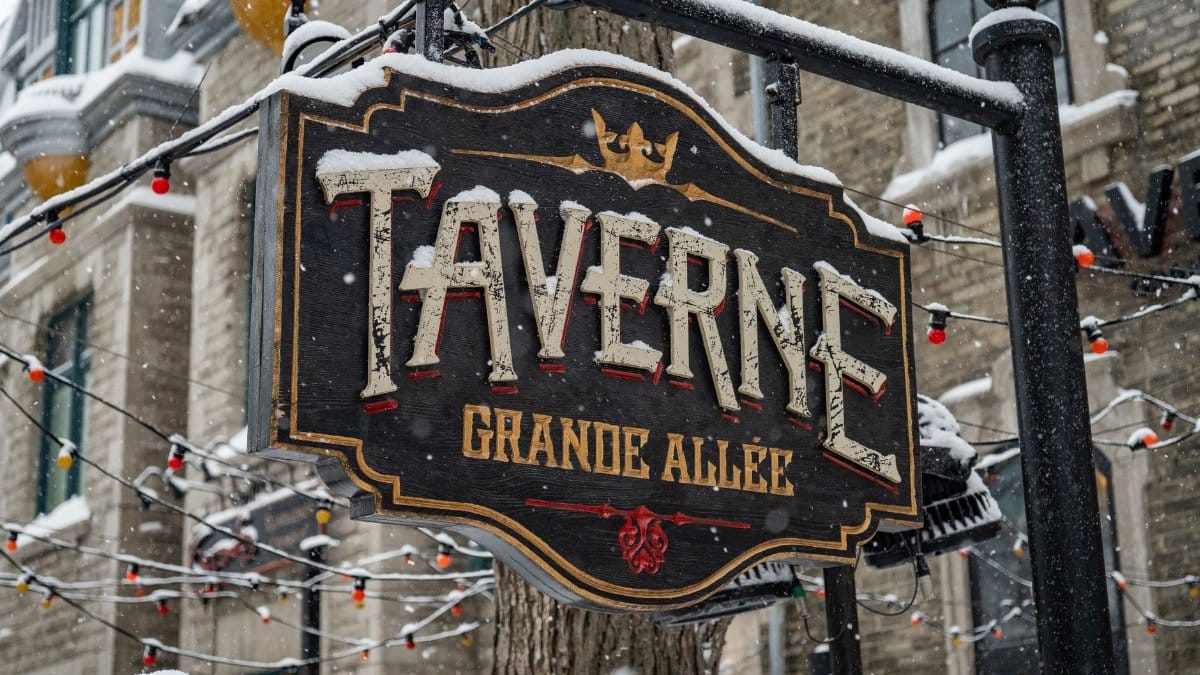
Bars served as central hubs for these raffles because they provided space for crowds and already hosted games of chance like pull tabs. Owners noticed that offering meat prizes drew steady crowds on slower nights boosting drink sales while creating loyalty among regulars who returned week after week.
How the games actually work

Participants buy numbered tickets and wait as numbers are drawn from a container. Winners select from an array of packaged meats displayed on tables often including roasts ground beef and sausages sourced from nearby processors. The process repeats several rounds until supplies run out leaving some players with nothing but conversation and camaraderie.
Connection to local food sources
Suppliers in the state benefit from consistent demand since raffle organizers purchase in volume from processors and butchers. This arrangement supports smaller operations that might otherwise struggle with distribution helping maintain a network of regional farms and meat handlers tied directly to community events.
Social bonds formed through participation
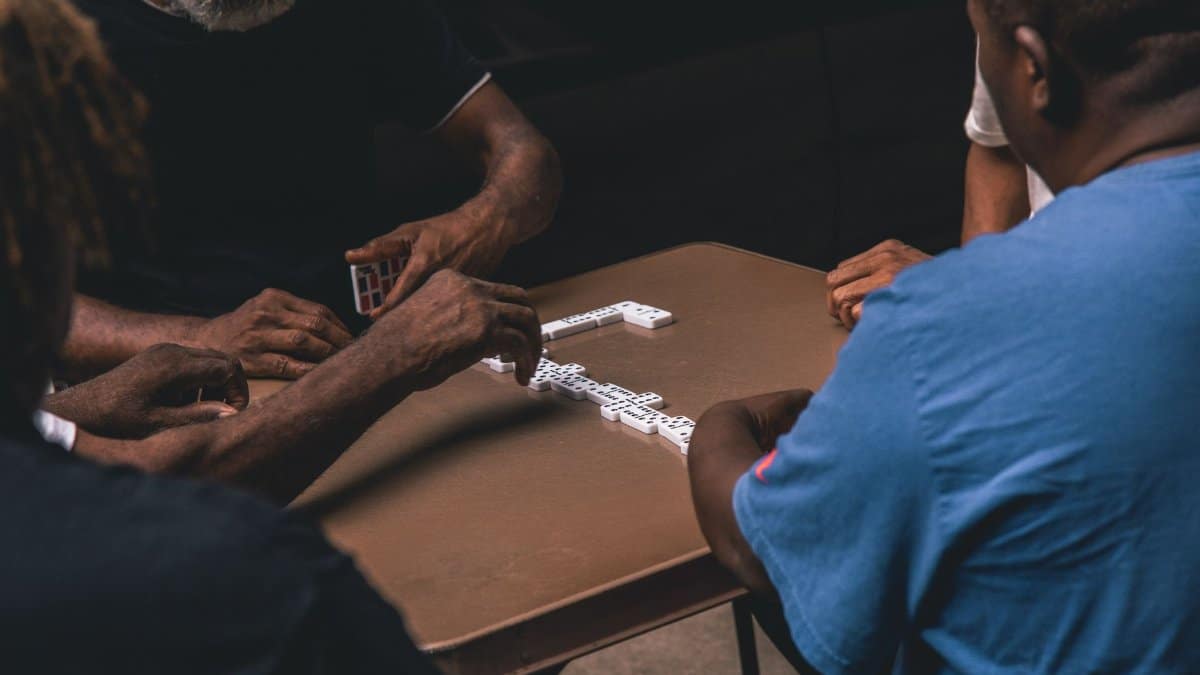
Regular attendees describe the events as extensions of family gatherings where generations mix and share stories. Newcomers often receive guidance from veterans on strategy and etiquette turning strangers into acquaintances through repeated encounters at the same venues.
Variations across different regions
Some areas emphasize larger grand prizes while others focus on volume with many smaller packages available. Urban spots may incorporate themed nights tied to sports seasons whereas rural locations stick closer to traditional formats passed down through decades of practice.
Regulatory environment surrounding the events
State laws permit these raffles under specific guidelines that distinguish them from commercial gambling. Organizers must follow rules about proceeds and eligibility which keeps the focus on nonprofit causes such as youth sports or charity drives rather than profit motives.
Adaptations during recent years
Operators introduced online ticket options and contactless payments to maintain participation when in person crowds faced limits. These adjustments preserved the core experience while expanding reach to those unable to attend physically yet still invested in supporting local causes.
Cultural significance beyond the prizes
Minnesota Meat Raffles represent more than chance they embody resourcefulness and collective support in places where winters are long and community ties matter. The events echo broader patterns of mutual aid that have defined the state for generations.
Future outlook for continued popularity

Interest shows no sign of fading as younger participants discover the tradition through friends or social media. Organizers continue to refine formats to attract diverse groups ensuring that Minnesota Meat Raffles remain a living part of local life rather than a relic of earlier eras.