

**As the cherry blossoms emerge in Grant Park and pollen drifts on the breeze off Lake Michigan, Chicago pet owners confront a seasonal challenge that strikes at the heart of their homes. Pet spring allergies have grown more prevalent in recent years, turning what should be a time of renewal into one of persistent itching, ear infections, and general misery for dogs and cats. Veterinarians report a noticeable uptick in cases each April and May, as tree pollen gives way to grass and weed pollen that blankets the city and its suburbs. For many middle-aged owners who view their animals as true family members, the sight of a beloved companion scratching endlessly or chewing at raw skin creates both emotional strain and a practical call to action. The good news is that informed steps can dramatically reduce suffering and help pets enjoy the season alongside their humans.**
Chicago’s Unique Pollen Patterns and Rising Allergy Cases
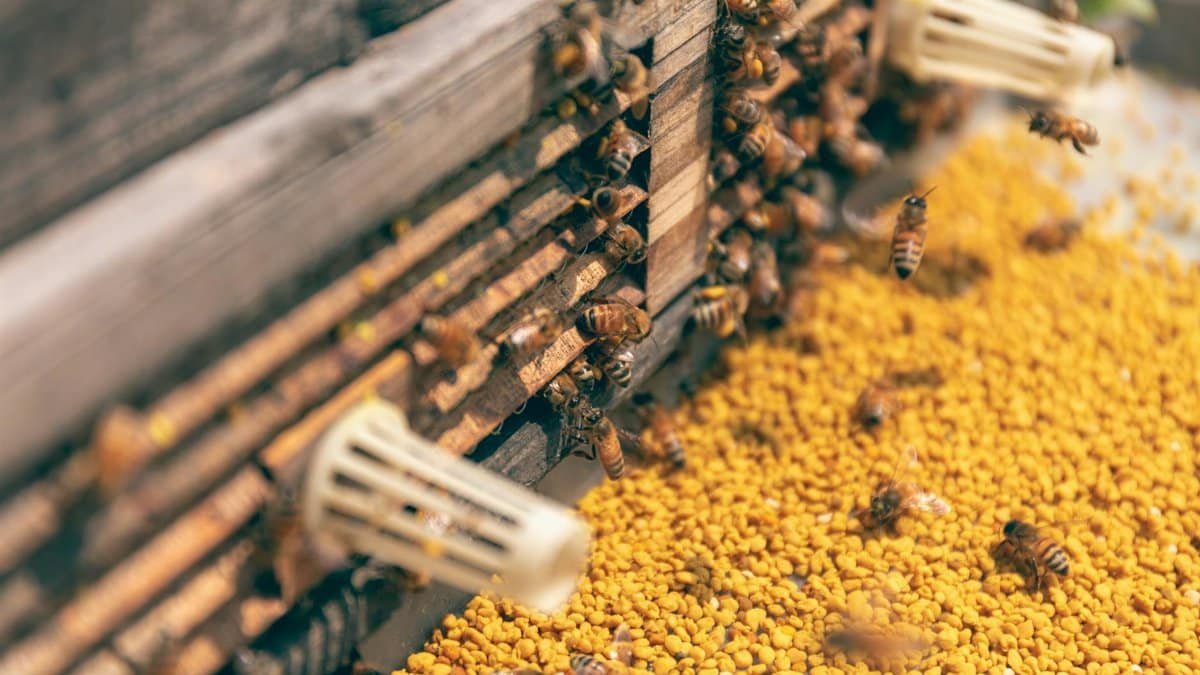
Chicago sits at the crossroads of several major pollen zones, where oak, birch, maple, and later ragweed release massive counts that linger in the urban corridor. Local meteorologists often record some of the highest tree pollen levels in the Midwest during late April. This environment appears to be sensitizing more animals than in previous decades. Veterinarians at Chicago Animal Care and Control and private clinics throughout the North Side have documented increased visits for allergy related complaints. The combination of city density, green spaces like Lincoln Park, and variable weather that stirs up particles creates perfect conditions for pet spring allergies to flourish. Owners who walk their dogs along the lakefront or allow cats access to screened porches may unknowingly bring microscopic allergens directly into living rooms and bedrooms.
Recognizing Early Symptoms in Dogs and Cats

Dogs typically show allergy distress through intense itching, especially around the paws, ears, and groin. Red, inflamed skin, recurrent ear infections, and watery eyes serve as common indicators. Cats express discomfort more subtly. Excessive grooming that leads to bald patches, head shaking, or coughing fits can all point to an allergic response. Because middle aged owners often maintain busy careers, these signs sometimes go unnoticed until skin becomes infected or animals lose significant fur. Veterinarians emphasize that early intervention prevents secondary bacterial infections that require far more aggressive treatment. Simple observation during routine play or feeding time can reveal changes in behavior long before symptoms spiral.
What the Veterinary Community Recommends First
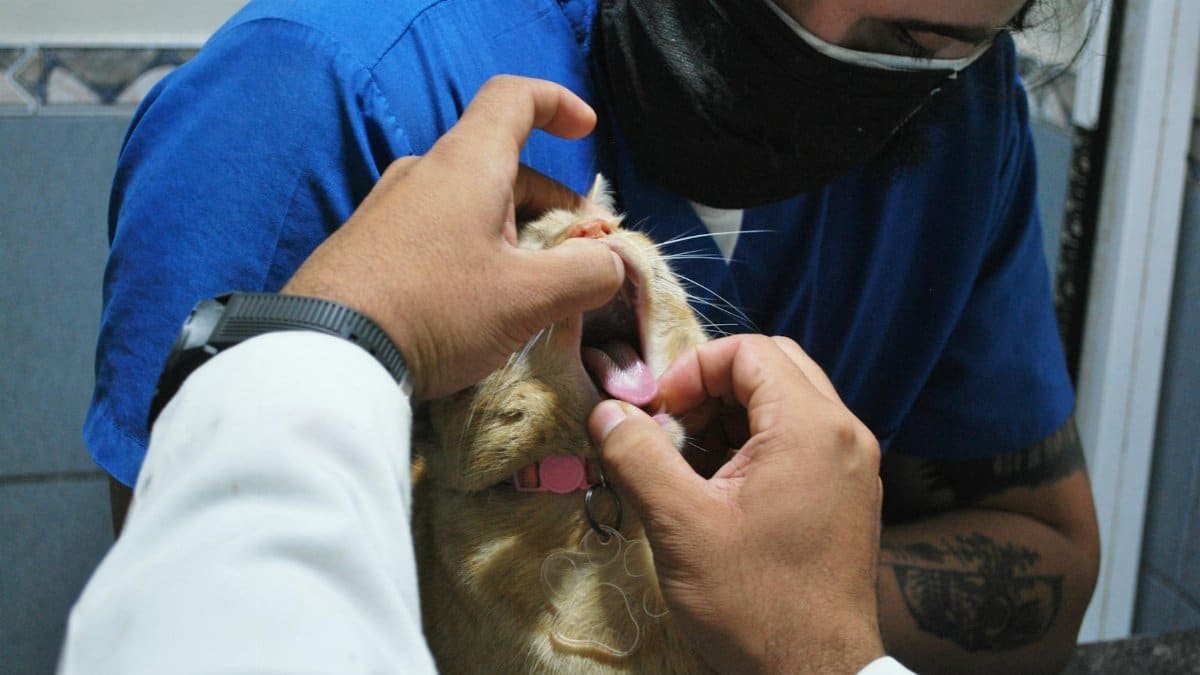
Dr. Sarah Thompson, a veterinarian featured in local reporting, stresses that the foundation of care begins with confirming the diagnosis rather than assuming every itch stems from seasonal triggers. Blood tests or skin scrapings help rule out mites, food sensitivities, or other culprits. Once allergies are verified, many practitioners start with antihistamines formulated specifically for animals. These medications provide relief without the heavy side effects once common with steroids. The original report from Fox 32 Chicago highlights how prompt veterinary guidance can spare pets weeks of misery. Fox 32 Chicago coverage offers additional perspective from practicing veterinarians across the region.
Creating a Cleaner Home Environment
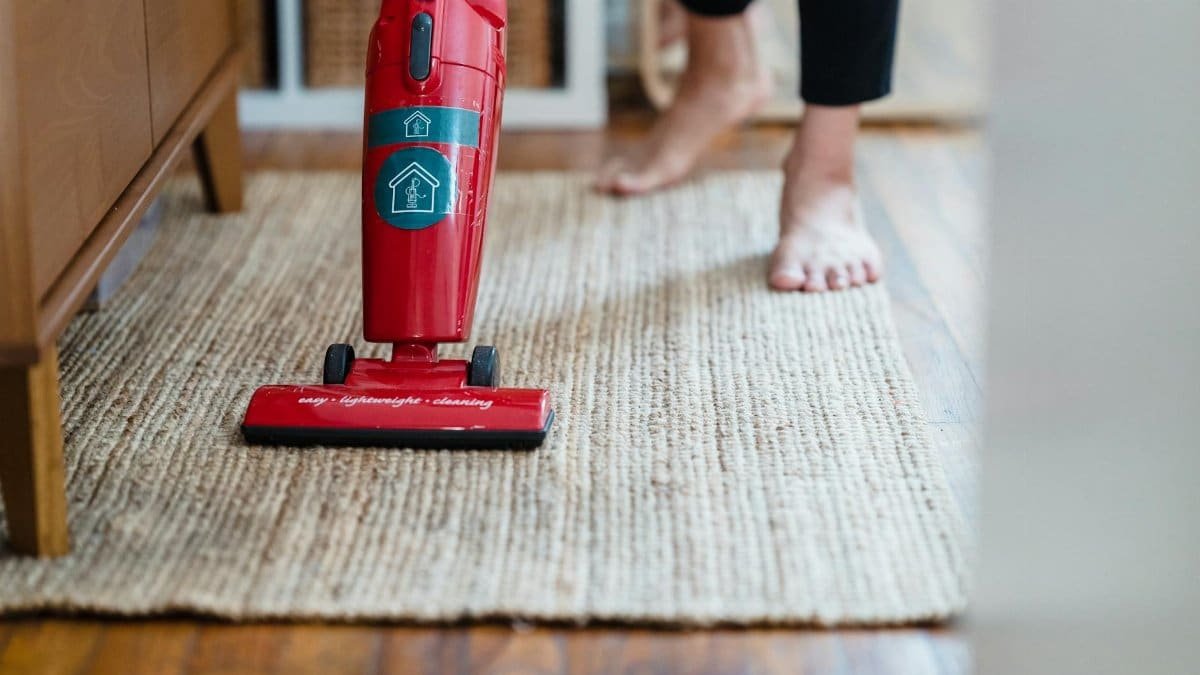
Reducing indoor allergens requires consistent habits rather than one time deep cleans. High efficiency air purifiers equipped with HEPA filters can capture floating pollen that enters through open windows. Washing pet bedding weekly in hot water removes accumulated particles. Owners are advised to wipe dogs paws with damp microfiber cloths after every outdoor excursion. For cats that venture onto balconies, gentle brushing and paw cleaning become daily rituals. These small acts of care not only limit physical exposure but also strengthen the attentive bond between person and animal. Many Chicago apartment dwellers have found that combining air filtration with regular vacuuming using pet specific filters noticeably decreases symptoms within days.
The Power of Routine Bathing and Grooming
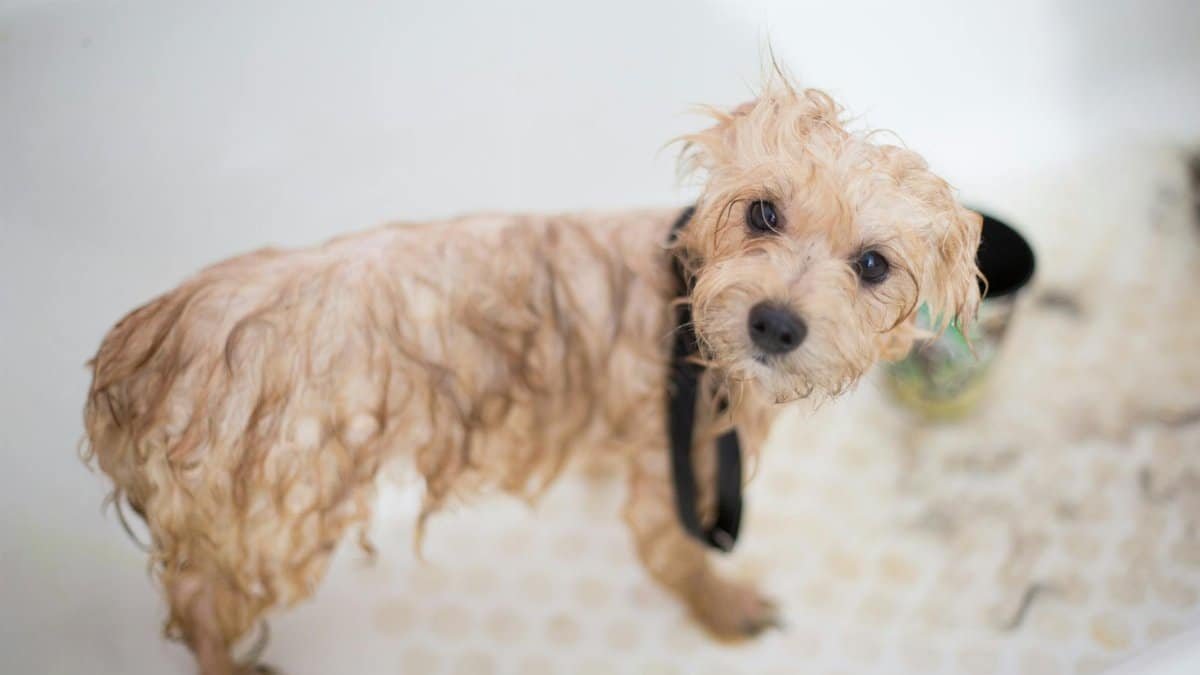
Weekly baths using hypoallergenic or oatmeal based shampoos can wash away pollen trapped in fur before it penetrates the skin. Dogs with thick coats particularly benefit from this practice during peak pollen weeks. Professional groomers across neighborhoods like Wicker Park and Lakeview report increased demand for what they call “allergy baths” each spring. Cats present a greater challenge, yet some tolerate pet wipes or waterless shampoos that achieve similar results. The physical act of grooming also allows owners to inspect skin closely and detect hot spots in their earliest stages. This hands on approach transforms a necessary chore into an opportunity for connection and calm observation.
Nutrition as Foundation for Immune Resilience

Diet plays a larger role in managing pet spring allergies than many realize. Omega three fatty acids found in fish oil supplements can reduce inflammation at the cellular level. Limited ingredient diets that avoid common triggers help some animals maintain healthier skin barriers. Probiotics designed for pets support gut health, which in turn modulates immune responses throughout the body. Several Chicago area holistic veterinarians have observed marked improvement when owners combine these dietary measures with traditional treatments. Rather than viewing food as mere fuel, thoughtful selection of meals becomes an expression of stewardship and care for the animal’s overall wellbeing.
Mindful Practices That Deepen the Human Animal Bond
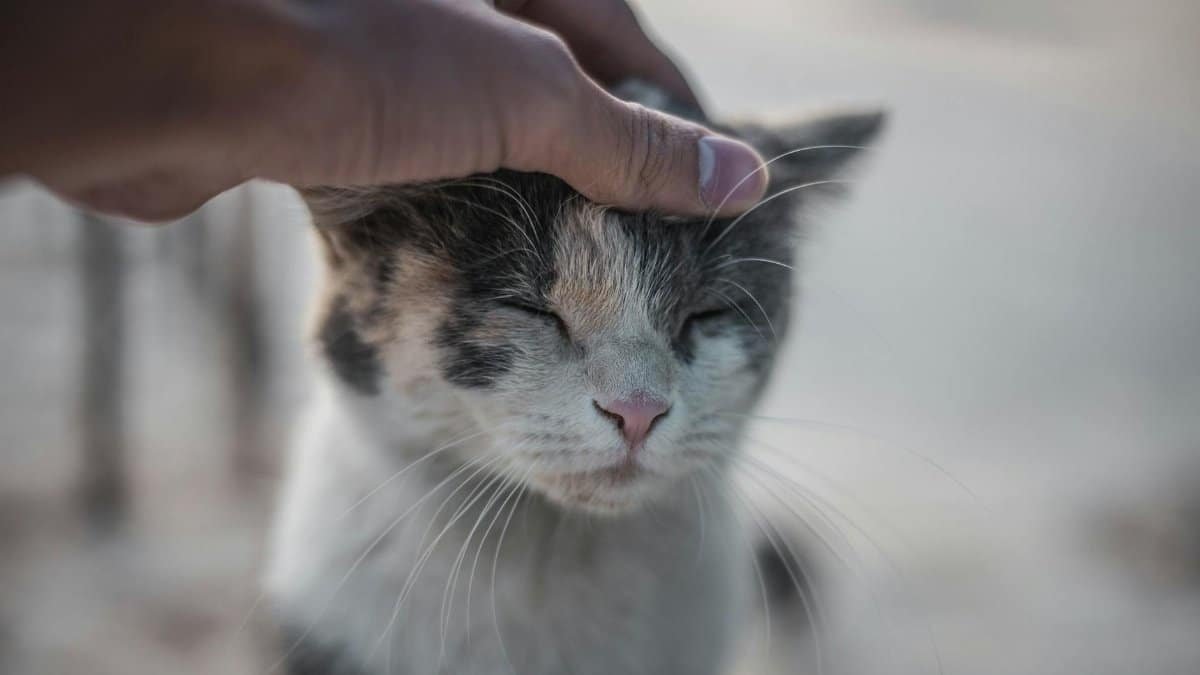
Caring for a pet during allergy season invites a form of mindfulness that resonates with many in midlife. Sitting quietly beside an itchy dog while administering medication or performing a gentle paw wash can become a meditative pause in otherwise hectic days. This attentive presence mirrors spiritual traditions that emphasize compassion and presence. Owners who approach their animals with patience rather than frustration often report feeling more grounded themselves. The seasonal challenge transforms into an opportunity to practice empathy and to remember that all living beings experience cycles of comfort and discomfort. Such awareness enriches the relationship beyond the practical need for symptom relief.
Exploring Gentle Alternative Therapies

Some pet owners find success with acupuncture or chiropractic treatments tailored for animals. Others incorporate quercetin, a natural antihistamine derived from plants, after consulting with their veterinarian. While these methods do not replace conventional care, they can complement it effectively for certain pets. Local practitioners in Evanston and Oak Park have developed reputations for working successfully with allergy patients. The key remains close collaboration with a primary veterinarian to ensure all treatments work in harmony rather than at cross purposes. This integrative path appeals to those seeking balance between modern medicine and time honored healing approaches.
Community Resources Throughout the Chicago Area

The Anti Cruelty Society, PAWS Chicago, and various neighborhood veterinary clinics offer allergy workshops and low cost clinics during peak season. Online forums moderated by licensed professionals provide local insight specific to regional pollen patterns. Several suburban practices now host “spring wellness seminars” that address both medical and behavioral aspects of seasonal discomfort. These community touchpoints allow owners to share experiences and learn practical tips tailored to Chicago’s distinct climate and housing styles. Building connections with other pet guardians reduces isolation during challenging weeks when symptoms seem relentless.
Knowing When Professional Medical Care Cannot Wait

Certain signals demand immediate veterinary attention. Severe swelling, difficulty breathing, bloody diarrhea, or lethargy that persists beyond twenty four hours should never be ignored. Chronic ear infections that return despite treatment may indicate deeper immune issues requiring specialist referral. Board certified dermatologists serving the Chicago region can perform advanced testing when primary care approaches prove insufficient. Responsible ownership includes recognizing personal limits and seeking expert guidance promptly. The goal remains preserving quality of life for animals who depend entirely on their humans for comfort and relief.
Through a thoughtful combination of medical guidance, environmental adjustments, nutritional support, and mindful attention, Chicago pet owners can help their dogs and cats navigate spring with far less suffering. The season that brings forth new growth can then be fully shared between humans and their animal companions in moments of peace rather than constant distress. This balanced approach honors both the practical realities of urban life and the deeper spiritual connection many feel toward the animals with whom they share their homes.