
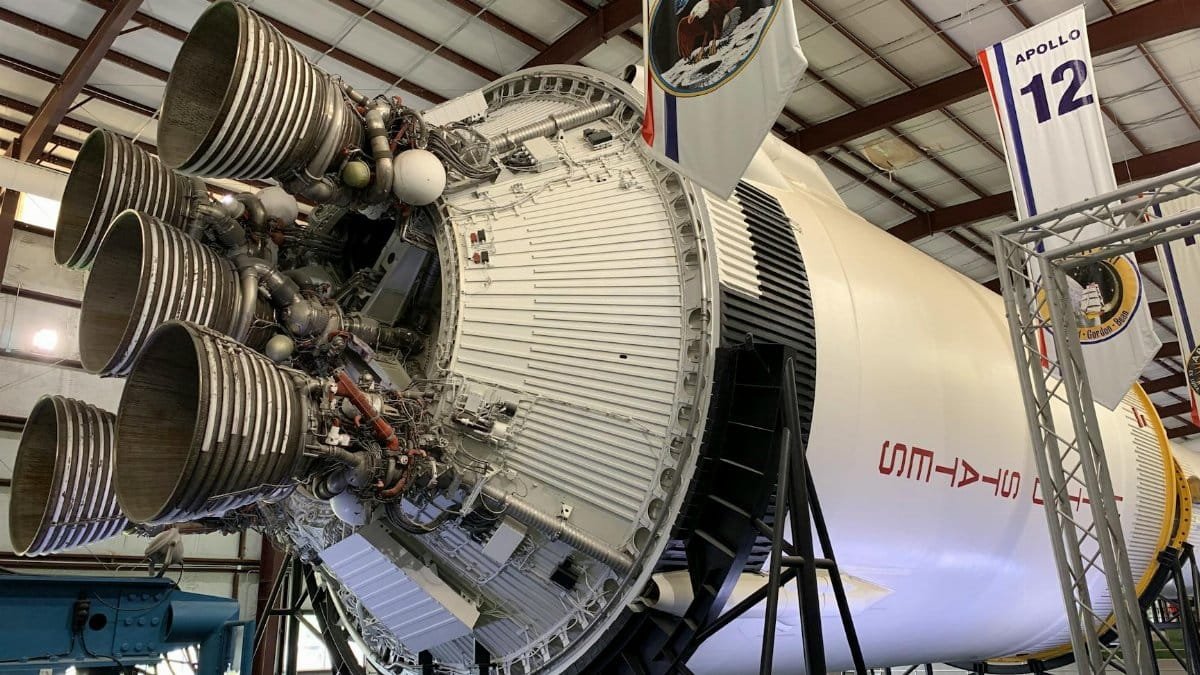
In the bustling streets and parks of Houston thousands of residents gathered around large screens. They waited for the historic moment when the Orion spacecraft would lift off carrying four astronauts on a voyage around the moon. The atmosphere was electric with anticipation and pride. Families shared snacks and stories while experts provided commentary on the technical aspects. This event was not just about the launch but about a community coming together. As the artemis ii houston space city came alive with cheers and hope the city reminded everyone of its central place in American space history.
The City That Sent Humans to the Moon

Houston earned its title as Space City through decades of quiet determination and technical excellence. The Johnson Space Center has coordinated every major crewed mission since the Apollo program. Flight controllers here made real time decisions that brought astronauts home safely from the lunar surface in the nineteen sixties and seventies. That institutional memory still runs deep in the local culture. Engineers who once worked on those early flights now mentor younger teams preparing for new challenges. The recent launch brought back memories for many who witnessed the original moon landings on black and white televisions. They see the current effort as a continuation of that same spirit of discovery.
Understanding the Artemis II Mission

Artemis II marks the first time since Apollo that astronauts will travel beyond low Earth orbit. The mission will send four crew members on a looping path around the moon to test life support systems and navigation tools. NASA designed the flight to gather data for future landings. The spacecraft must withstand intense radiation and extreme temperatures while maintaining precise communication with mission control in Houston. For the city this represents more than technical achievement. It revives the sense of shared purpose that defined the Space City during its peak years. Local universities and businesses have contributed components and research to the project creating a broad network of involvement across the region.
Community Celebrations Across Houston

Parks throughout the metropolitan area hosted viewing parties that lasted well into the night. At Discovery Green downtown crowds waved flags and sang along to space themed music. Food trucks offered special menus named after famous missions. Children received educational packets explaining basic orbital mechanics. The artemis ii houston space city spirit extended to neighborhoods far from the city center where families set up telescopes to watch the sky. Churches and community centers organized discussions about the broader meaning of exploration. One group of retirees who had worked at the space center during Apollo held a special reunion complete with old photographs and mission patches.
The Enduring Role of Johnson Space Center

Johnson Space Center serves as the nerve center for all human spaceflight operations. Its simulators trained the current crew for every possible scenario they might encounter. Teams of specialists monitor vital signs and system performance from control rooms that have been updated with modern displays yet retain the same layout familiar to veterans of earlier programs. This continuity provides comfort to both workers and the public. The center has adapted to new international partnerships while preserving core expertise developed over more than sixty years. Many employees live in nearby communities and participate in local schools as guest speakers keeping the connection between space work and everyday life strong.
Personal Stories From the Apollo Generation

Retired flight director Gene Kranz attended one of the viewing events and shared quiet observations with younger engineers. He emphasized the importance of focus and teamwork under pressure. Other former workers recalled the tension of the Apollo 13 crisis and how the Houston team improvised solutions that saved the crew. These personal accounts help younger residents understand that space exploration has always involved both triumph and risk. The stories create a living link between past and present. Many in the audience had never met someone who worked on the original moon missions and they listened with visible respect.
The Spiritual Dimension of Space Exploration
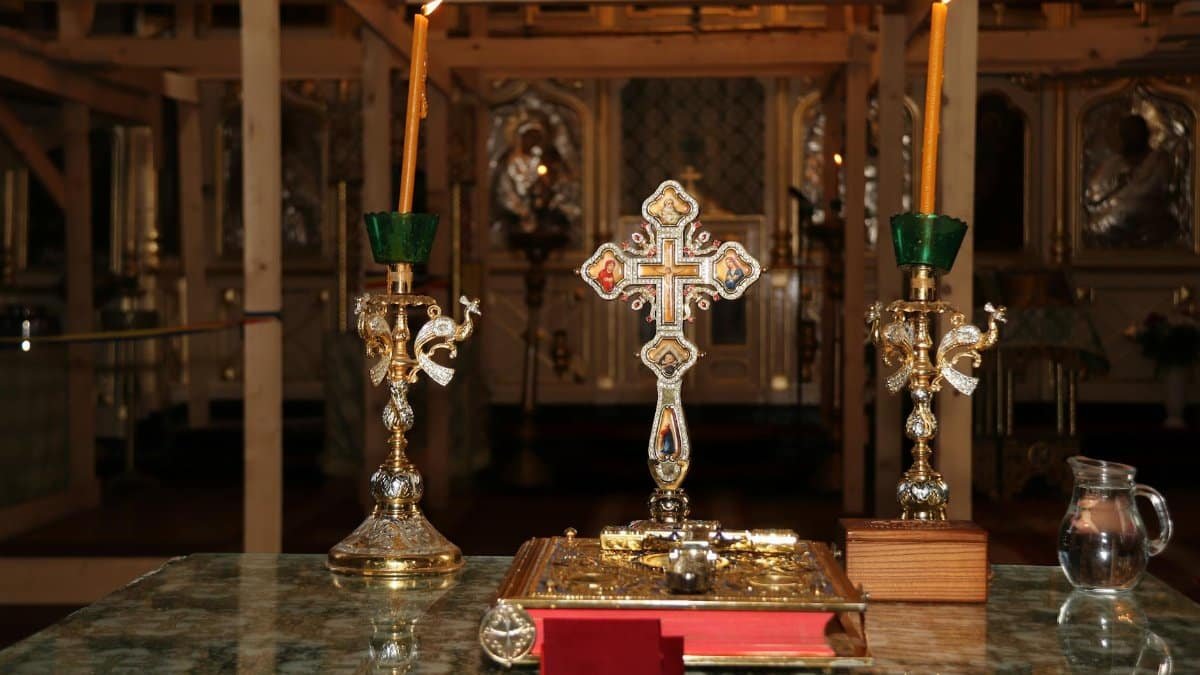
For many observers the launch stirred feelings that go beyond scientific curiosity. The sight of humans venturing into the vastness of space prompts reflection on humanitys place in creation. Religious leaders in Houston spoke of exploration as an expression of wonder and stewardship. They noted how the view of Earth from the moon has historically inspired a sense of unity and responsibility. This perspective resonates with people across different faiths and backgrounds. The artemis ii houston space city events included moments of contemplation alongside the celebration. Viewers described feeling both small and connected when considering the scale of the universe and the courage required to explore it.
Preparing for Future Journeys to Mars
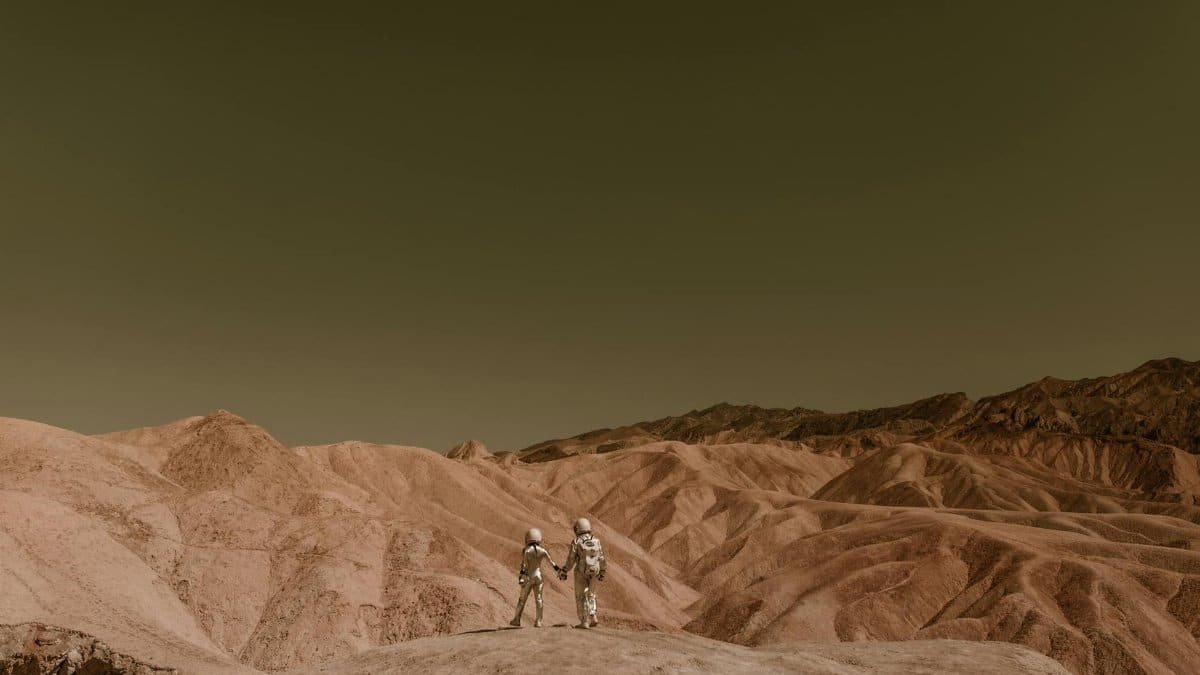
Artemis II represents one step in a longer sequence of missions. NASA plans to establish a sustainable presence on the lunar surface as preparation for eventual travel to Mars. The data collected during this flight will influence spacecraft design and crew training for those longer durations. Houston teams are already studying how to maintain human health during multiyear voyages. The citys research institutions collaborate with private companies developing new propulsion and life support technologies. This forward looking work gives residents a sense of participating in a multigenerational endeavor that extends human experience beyond our home planet.
Inspiring Young Minds in Space City

Schools across the Houston area incorporated the mission into their curriculum. Students built model spacecraft and tracked the flight path using simple mathematics. Museums extended their hours and offered free admission during the launch window. Young people met engineers and astronauts who encouraged them to study science and mathematics. The visible excitement of their parents and grandparents reinforced the message that space exploration belongs to everyone. Several local students expressed new interest in careers at the space center after watching the event. The city hopes this wave of enthusiasm will sustain the talent pipeline needed for future programs.
Houstons Lasting Connection to the Cosmos

The celebrations surrounding the launch demonstrated that the Space City identity remains vibrant. While the aerospace industry has evolved and new players have entered the field Houston retains its unique position as the home of human spaceflight expertise. The community has weathered economic shifts and technological changes yet continues to embrace its role in humanitys quest to explore. As the spacecraft travels toward the moon the people who gathered in parks and streets carry forward a tradition of curiosity and resilience. Their cheers reflect not only pride in past accomplishments but confidence in what lies ahead for all who look upward with hope.
The artemis ii houston space city events of recent days have shown how deeply space exploration remains woven into the fabric of local life. Residents young and old found common ground in their support for the mission. Their collective enthusiasm serves as a reminder that some endeavors still have the power to unite people across differences. As NASA continues its work the city stands ready to contribute its knowledge and passion to the next chapter of discovery.