
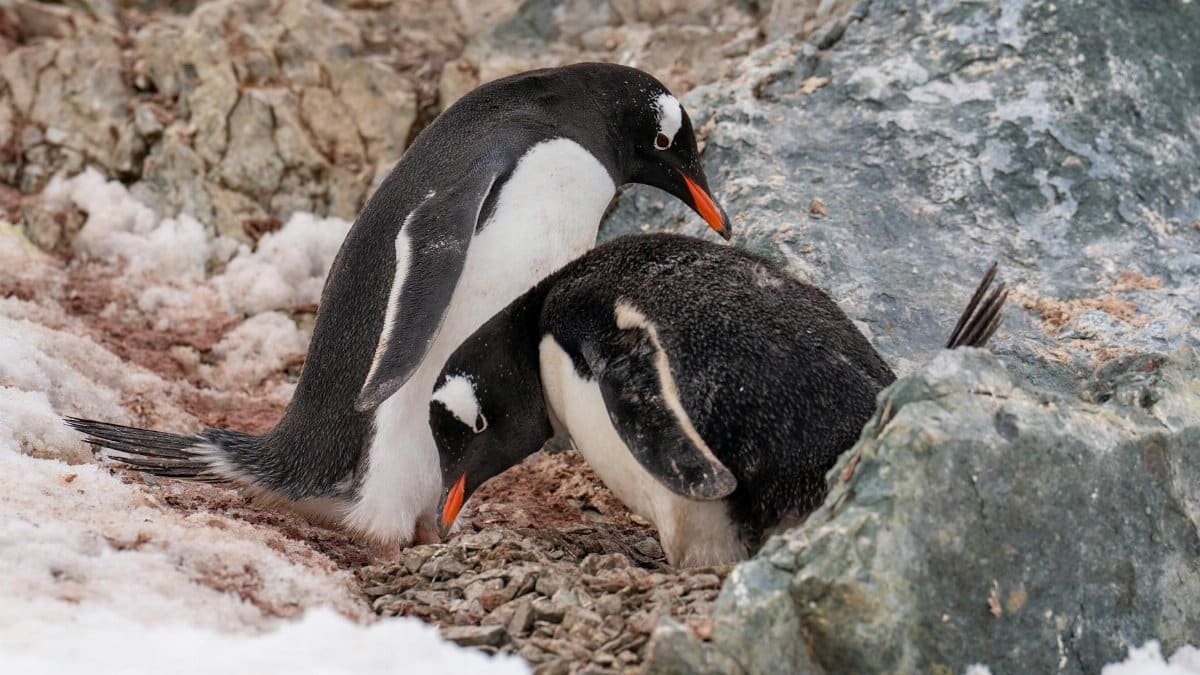
In the hushed atmosphere of Edinburgh Childrens Hospital, young patients have found an unusual outlet for their creativity and compassion. With paints and brushes in hand, they transform ordinary stones into works of art. These pebbles are then sent to a local zoo where they play a surprising role in the lives of gentoo penguins. It turns out that the kids painted pebbles penguins readily accept as part of their elaborate mating rituals. The project not only aids the birds but also provides a sense of purpose for children facing health challenges. What emerges is a touching narrative of healing, conservation, and the simple power of human kindness extended to the animal kingdom. This initiative reveals how even small acts can have far reaching effects on both the givers and the receivers.
At first glance the pairing seems improbable. Hospital wards filled with monitors and medicine now overflow with paint sets and laughter. Meanwhile on the other side of the city a colony of elegant black and white birds inspects each new arrival with obvious interest. The resulting exchange feels almost miraculous in its ability to touch both worlds at once.
An Inspired Idea Connects Two Seemingly Separate Realms
The program began when a pediatric nurse who also volunteered at Edinburgh Zoo noticed how listless some long term patients had become. She wondered if giving them a genuine mission might restore a measure of control and joy. Zookeepers immediately saw the potential. Gentoo penguins are famous for their fastidious nest building and their habit of presenting the finest pebbles to potential mates. The staff realized that artistically painted stones could enrich the environment while giving children a direct stake in wildlife conservation.
Within weeks the first batch of pebbles traveled from hospital to zoo. What no one anticipated was the speed with which both groups would embrace the project. Children who rarely left their beds began asking daily about their pebbles fate. Keepers reported heightened activity among the birds each time a new delivery arrived. The idea that had seemed whimsical quickly proved deeply practical.
Decoding The Penguin Pebble Ritual
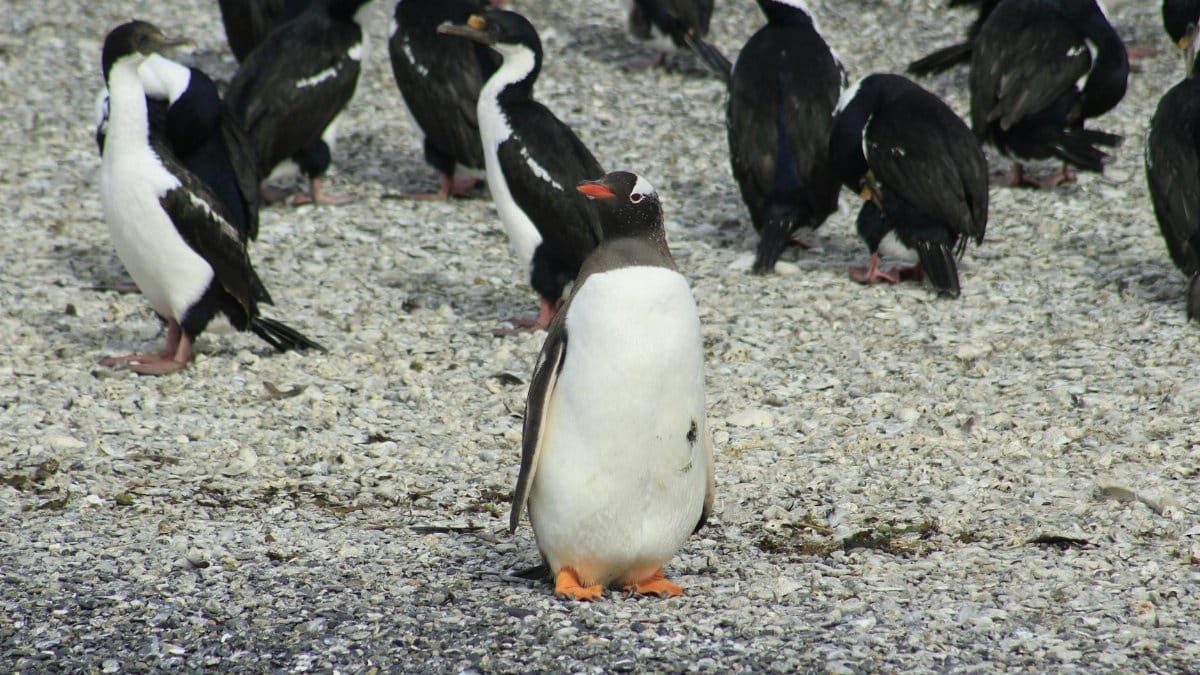
Gentoo penguins have long fascinated biologists with their courtship customs. Males scour the colony for the smoothest most attractive pebble then present it to a female with great ceremony. If she accepts the gift the pair begins building a nest together. In the wild these tokens represent commitment and suitability as a partner. At the zoo the kids painted pebbles penguins added an extra layer of stimulation that keepers say has increased successful pairings.
Researchers have documented that enriched environments improve breeding success in captive colonies. The colorful pebbles appear to spark curiosity and competition in ways plain stones never did. One keeper described watching a male penguin reject three ordinary rocks before triumphantly carrying a bright blue painted stone to his chosen female. The moment carried an unmistakable air of celebration.
Art As A Form Of Healing For Young Patients
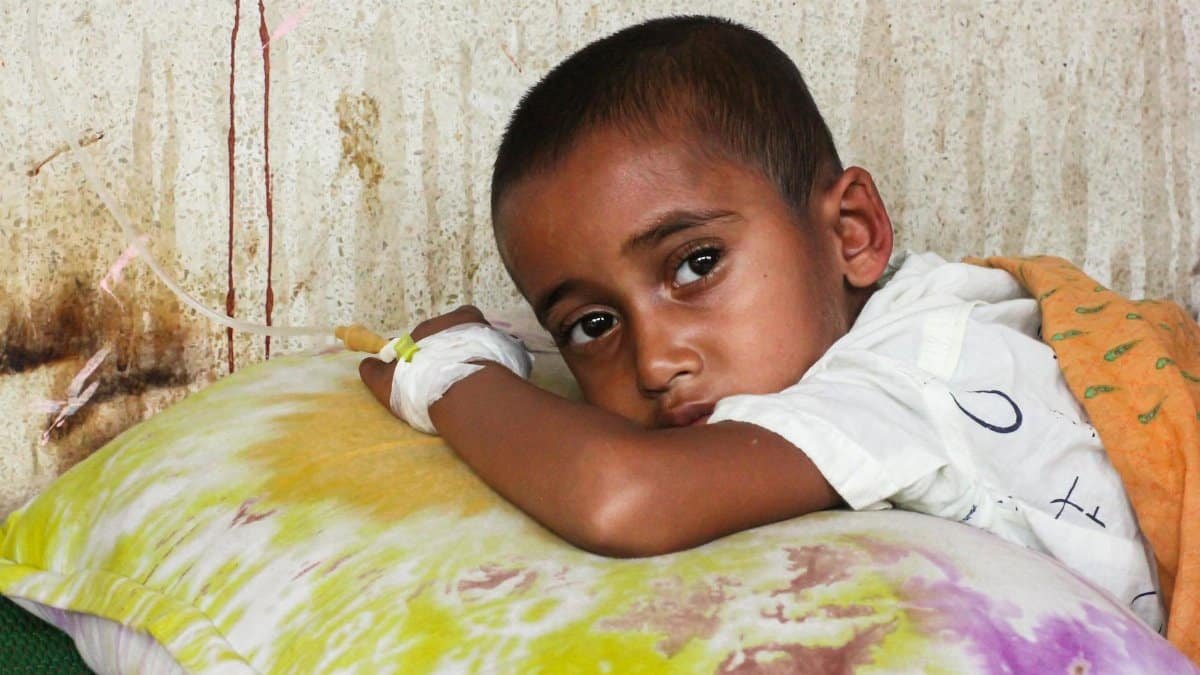
Medical teams have watched with quiet satisfaction as participation in the project coincides with measurable improvements in patient outlook. Children who once resisted physical therapy now complete their exercises so they can return to the painting table. The activity demands focus steady hands and imaginative decision making all skills that rebuild confidence worn down by illness.
According to a study published by the National Institutes of Health art based interventions can significantly reduce anxiety and depression in pediatric patients. The report is available here: https://www.ncbi.nlm.nih.gov/pmc/articles/PMC8115479/. In this case the knowledge that their creations serve a real purpose beyond the hospital walls appears to amplify the benefits. The children are not simply passing time. They are helping penguins find mates and raise chicks.
Children Share Their Thoughts On The Project
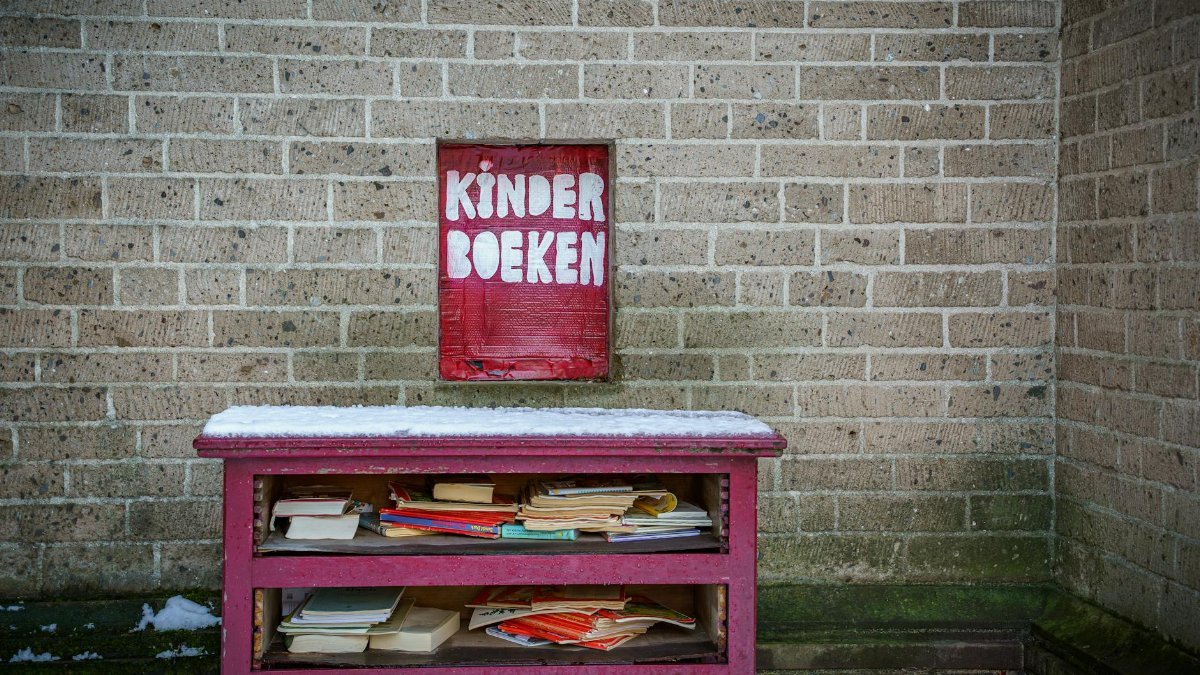
Twelve year old Sophie who has spent much of the past year in treatment says the painting days feel like her most important work. She chooses colors she believes the penguins will like best and sometimes adds tiny hearts she hopes will bring good luck. Her pebble was selected by a pair that successfully hatched a chick last season. When keepers sent a photograph Sophie kept it taped above her bed for months.
Other children express similar feelings of pride and connection. They speak of the penguins as their friends across the city. Some have researched gentoo habits on tablets provided by the hospital and now speak knowledgably about Antarctic conservation. The project has quietly expanded their world even as their bodies remain confined.
Penguins Respond To The Colorful Offerings
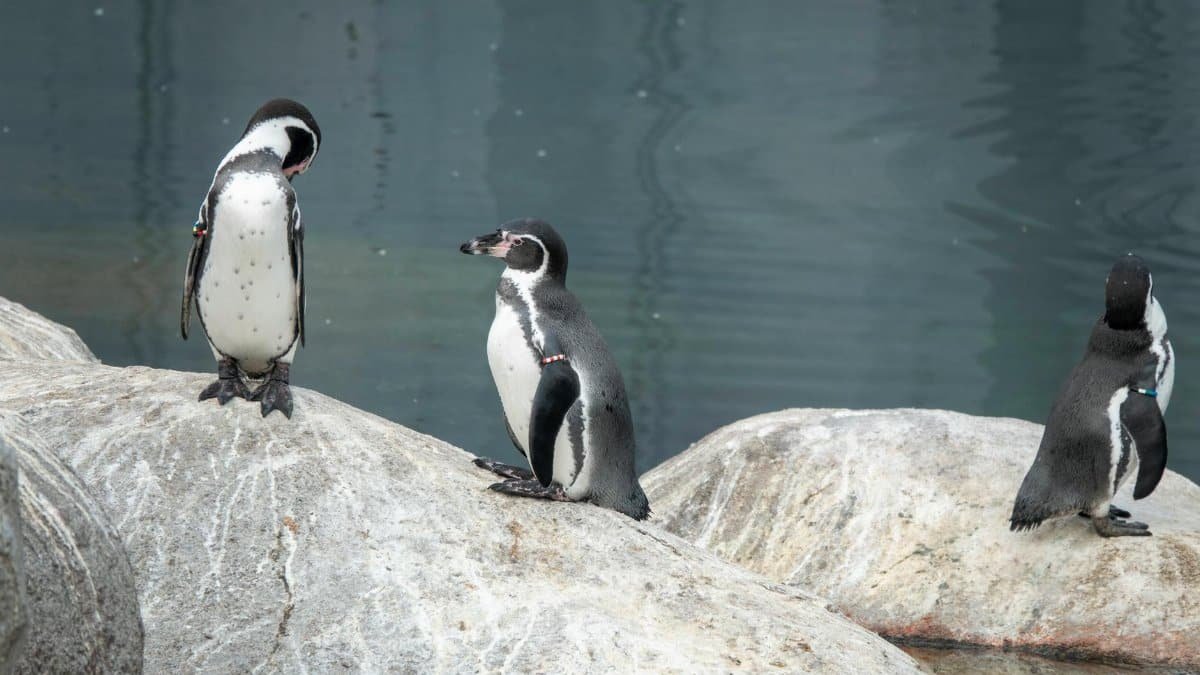
Zookeepers note distinct changes in colony behavior since the painted pebbles arrived. The birds spend more time inspecting inspecting and rearranging their nests. Courtship displays have grown more frequent and elaborate. One particularly bold male has assembled a nest composed almost entirely of the hospital contributions prompting both amusement and scientific interest from the staff.
The visual variety seems to stimulate the penguins natural curiosity. Bright yellows reds and blues stand out against the gray substrate creating what one keeper called a living art installation. The kids painted pebbles penguins clearly favor have become status symbols within the colony. Pairs that secure them appear more likely to remain together through the breeding season.
Exploring The Spiritual Side Of Wildlife Stewardship
Beyond the measurable outcomes many involved describe a deeper sense of meaning. Hospital chaplains have observed how the project naturally opens conversations about caring for creation and finding purpose through service. The act of painting a pebble that will support new life carries obvious spiritual resonance for families of many faiths and none.
This impulse to reach beyond personal suffering toward the wellbeing of another species echoes traditions found across cultures. It suggests an innate recognition that all living things are connected. In an age of environmental anxiety the sight of sick children offering gifts to wild creatures feels like a quiet form of prayer expressed in color and stone.
Building Bridges Between Generations And Species
Grandparents who visit the wards often join the painting sessions creating multigenerational moments of shared purpose. Families report stronger bonds as they discuss penguin facts and debate the best color combinations. The project has become a unexpected unifier that transcends the usual hospital dynamics of worry and clinical routine.
At the zoo visitors of all ages now linger at the gentoo exhibit searching for the painted pebbles and reading the accompanying signs about the child artists. The display gently educates the public while honoring the young contributors. A simple pebble has become a bridge spanning hospital zoo and community.
Measuring The Impact On Young Patients Recovery
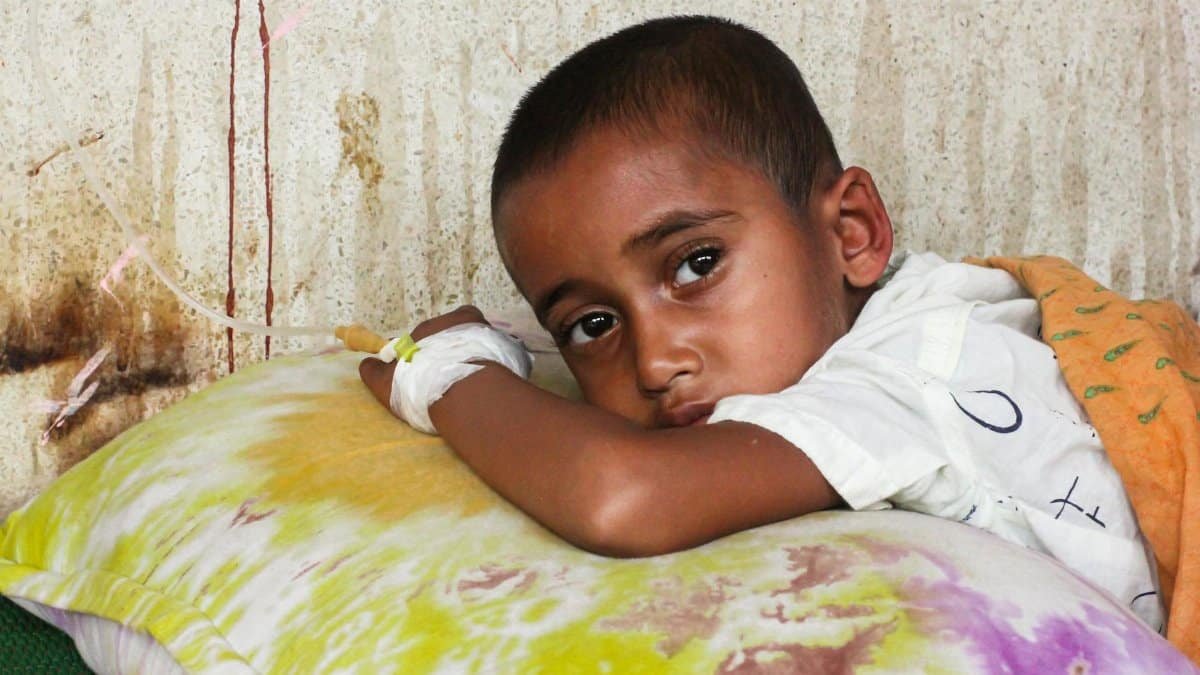
While the program is still relatively new early data collected by the hospital shows promising trends. Participants report lower pain scores on painting days and demonstrate better engagement with treatment plans. Medical staff emphasize that the initiative complements rather than replaces clinical care yet its contribution to emotional resilience appears substantial.
Parents describe children who had grown withdrawn now speaking animatedly about their penguin friends. The knowledge that their artwork matters to another living being restores a sense of agency often stripped away by serious illness. Recovery involves more than medicine and the kids painted pebbles penguins effort seems to nourish the spirit in ways that support physical healing.
From Local Effort To International Inspiration
News of the project spread rapidly after the zoo shared images online. Conservation groups in other countries have inquired about replicating the model. Similar initiatives now link young patients in Australia with little penguins and children in Canada with captive puffins. What began in one Scottish hospital is quietly circling the globe.
The Washington Post first brought the story to international attention in an article available here: https://www.washingtonpost.com/science/2026/03/14/kids-penguins-painted-pebbles/. Since then the tale has resonated with readers who see in it a hopeful counterpoint to stories of division and despair. Small acts of creativity it suggests can ripple outward in unexpected directions.
What The Future Holds For Similar Endeavors

Organizers on both sides hope to expand the program while maintaining its intimate character. They plan to involve more patients and perhaps add other species that incorporate objects into their reproductive behaviors. The core principle remains unchanged: connect vulnerable children with wild creatures through acts of generosity and attention.
In a world that often feels fragmented this gentle collaboration offers a different vision. It proposes that healing can flow in multiple directions at once. Children regain strength by helping penguins. Penguins thrive with enriched lives. Communities rediscover wonder by witnessing the exchange. The painted pebbles small and colorful become symbols of a larger truth. When we extend care beyond our own species we often find it returns to us in surprising and life affirming ways.