
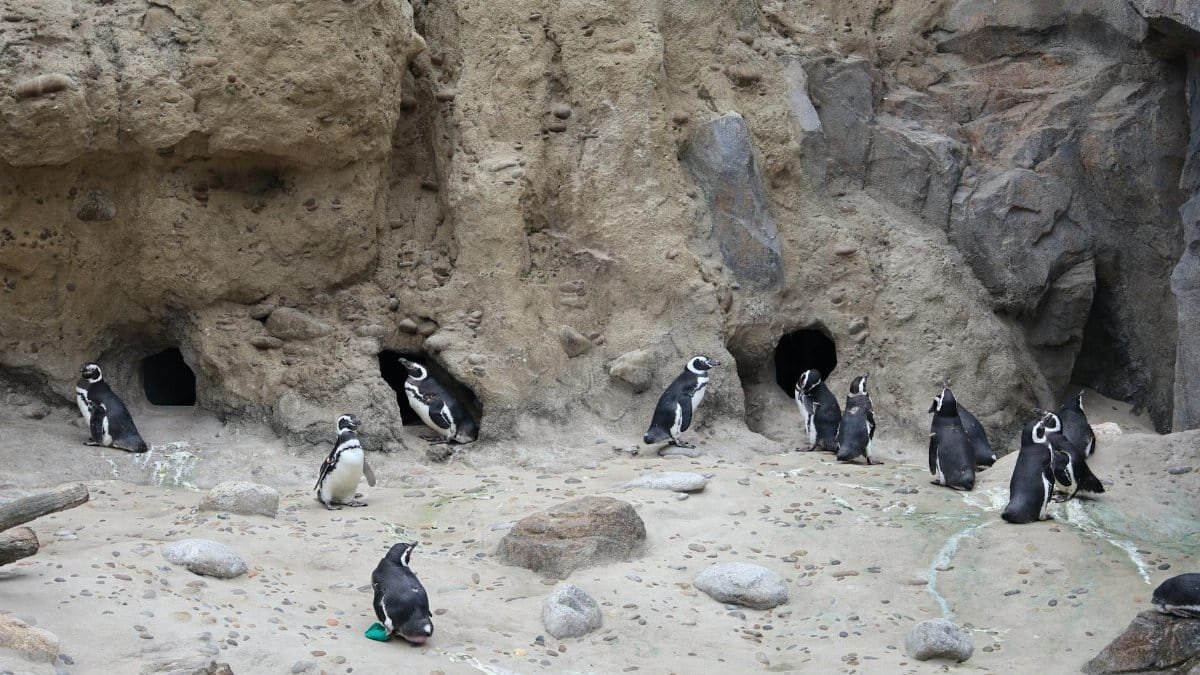
In the quiet corridors of a Scottish childrens hospital, moments of genuine wonder can emerge from the most unlikely circumstances. Young patients facing lengthy treatments have channeled their limited energy into a project that now reaches far beyond their walls. The hospital kids paint pebbles with bold patterns, cheerful colors, and personal touches before the stones begin their journey to Edinburgh Zoo. There the decorated rocks join the carefully arranged nests of gentoo penguins, supporting the birds courtship rituals and helping them find suitable mates. What appears at first as simple arts and crafts reveals itself as something deeper: a bridge between human vulnerability and animal survival, between illness and purpose. This gentle exchange has drawn attention across Britain and beyond, not only for its practical benefit to the zoo but for the way it reminds us that creativity and compassion remain powerful forces even in constrained lives. The story invites reflection on how small, deliberate acts can ripple outward, offering meaning to those who give and those who receive in equal measure.
When Young Patients Discover a New Outlet
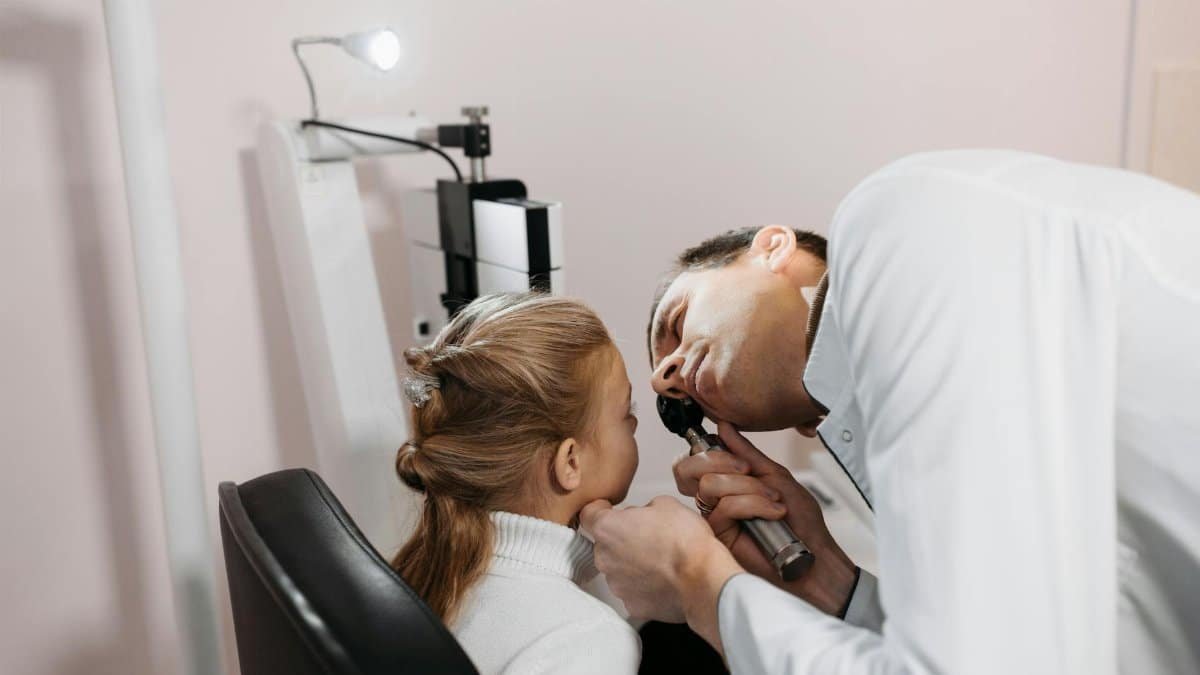
The project began when zookeepers mentioned their need for additional nesting material that could enrich the penguin colony. Hospital staff saw an opportunity. Children who often felt powerless over their own bodies suddenly held paintbrushes and smooth river stones in their hands. The act of choosing colors and deciding on designs restored a sense of agency many had not experienced in weeks or months.
Participation varied according to each childs energy level and medical condition. Some painted for only a few minutes at a time while others spent hours perfecting tiny details. The consistent element remained the knowledge that their work would serve a living creature far away. This awareness transformed an ordinary afternoon activity into something larger than the hospital routine.
The Ancient Art of Penguin Nest Building
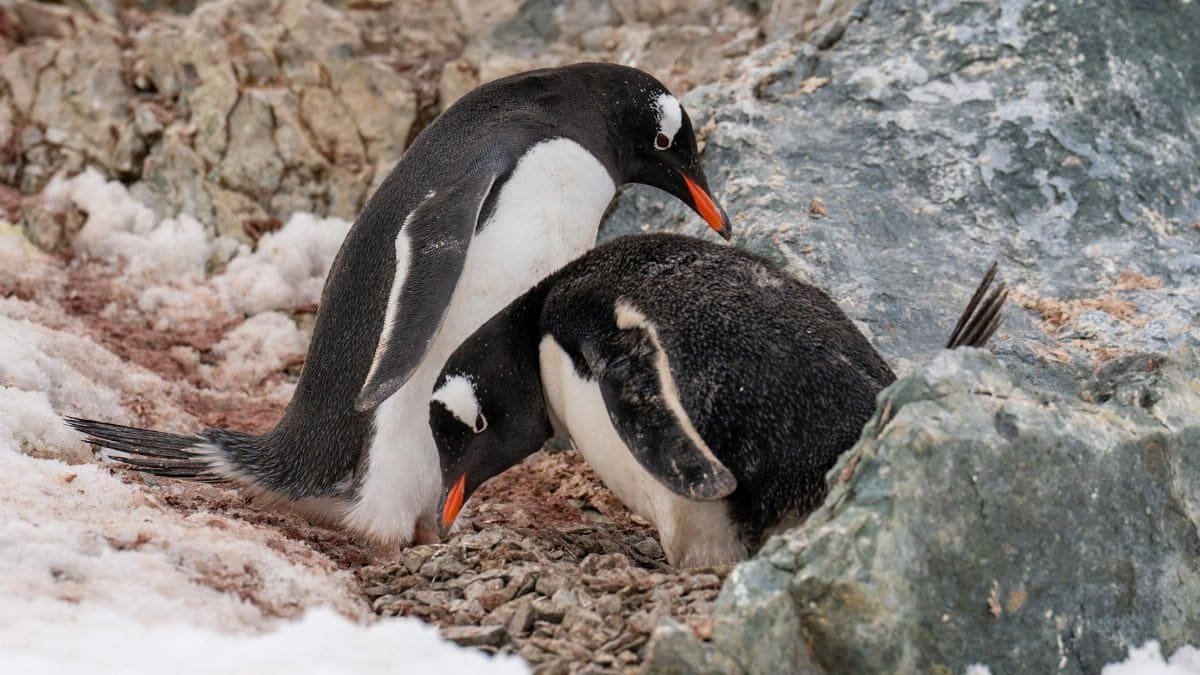
Gentoo penguins have long relied on pebbles as fundamental tools of survival and romance. Males scour shorelines for the smoothest, most attractive stones, presenting them to females in an elaborate display. A superior pebble often determines whether a pair will form and whether their nest will withstand the harsh Antarctic conditions.
In captivity the behavior persists though the options are more limited. Edinburgh Zoo sought to increase both the quantity and variety of pebbles available to stimulate natural behaviors and reduce stress among the birds. The arrival of painted stones from the hospital added an element of novelty that keepers had not anticipated. Penguins inspected the new offerings with evident interest, incorporating many into their nesting areas with care.
Designing Pebbles with Heart and Hope

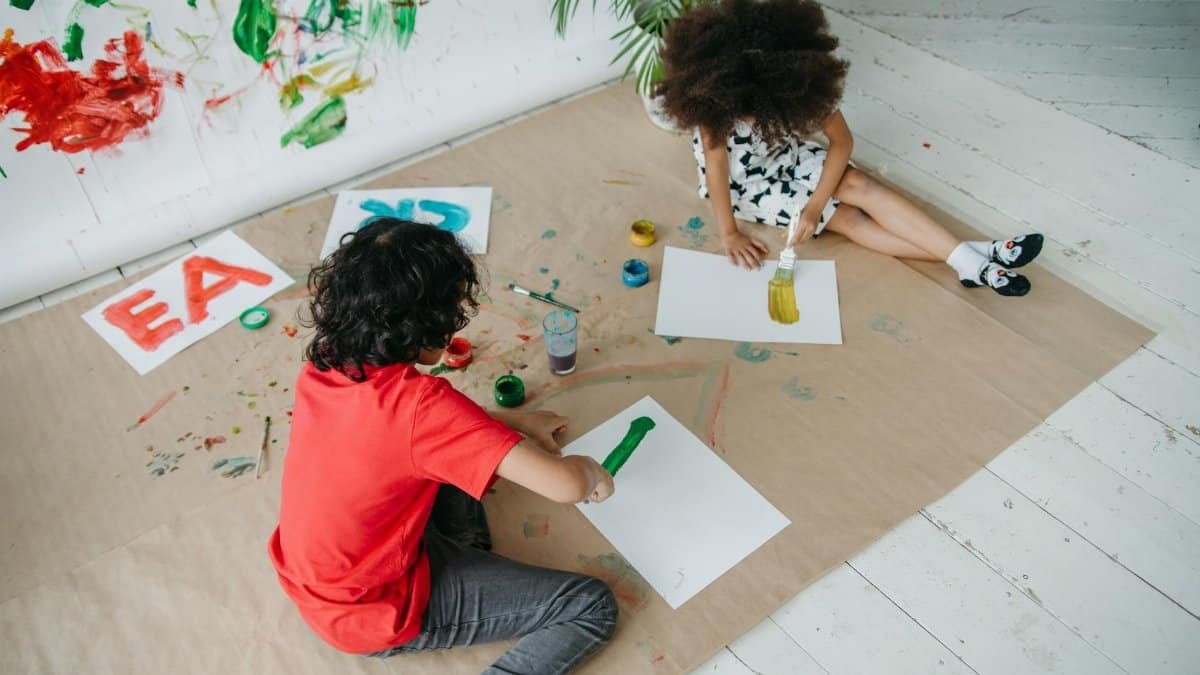
The children approached their task with seriousness and joy. Some painted hearts, others created miniature landscapes or simply covered the stones in bright stripes and polka dots. A few added their names or short messages of encouragement on the reverse side, knowing the penguins would never read them yet feeling the gesture mattered.
Parents and nurses observed how the project encouraged focus and fine motor skills while simultaneously lifting spirits. One girl who had barely spoken for days became animated when discussing which colors a particular penguin might prefer. These conversations revealed how the simple act of painting allowed emotional expression that medical conversations alone could not reach.
Art Therapy in Pediatric Care
Medical teams have long understood that artistic activities provide measurable benefits for young patients. According to a comprehensive review published by researchers at the University of Glasgow, regular creative sessions can lower cortisol levels and improve emotional regulation in hospitalized children. The full study is available here: https://www.ncbi.nlm.nih.gov/pmc/articles/PMC7521801/
In this case the therapeutic value increased because the art served a clear external purpose. The children knew their efforts directly affected living beings who needed help. This connection appeared to deepen the emotional reward and reinforced feelings of competence during a period when many other aspects of life felt uncontrollable.
Finding Spiritual Meaning in Simple Stones
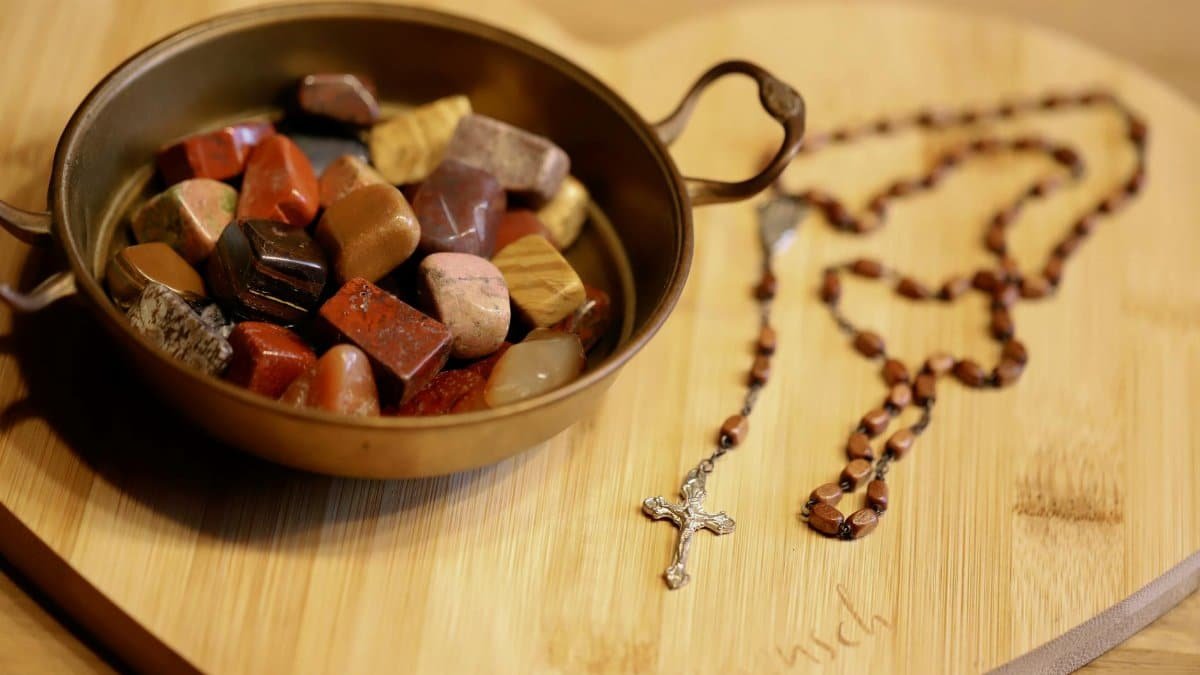
Throughout history stones have carried spiritual weight across cultures. From prayer cairns in the Scottish Highlands to symbolic rocks in indigenous traditions, they often represent endurance, memory, and connection to something greater than oneself. The hospital children painting pebbles unknowingly participated in this ancient language of meaning.
The project suggested that spirituality need not always wear grand robes or occur in designated buildings. Sometimes it appears in the careful stroke of a paintbrush and the intention to help a creature the artist will likely never meet. Many parents remarked that the activity gave their children a sense of being part of a larger story, one that extended past their immediate diagnosis and into the rhythms of the natural world. This perspective offered comfort that purely clinical explanations could not provide.
Echoes of Kindness at the Zoo
Zookeepers report noticeable changes in the penguin colony since the painted pebbles arrived. Several birds have incorporated the stones into prominent positions within their nests, almost as if displaying the bright colors to visitors. Staff members spend extra time observing how the new materials influence social dynamics and pair bonding.
Public response has been equally striking. Families visiting the zoo now linger longer at the gentoo exhibit, reading the accompanying signs that explain the stones origins. Children press against the glass pointing out their favorite designs while parents explain the connection between a hospital ward and this lively outdoor enclosure. The display has become an unexpected lesson in empathy that reaches thousands of visitors each month.
Voices from the Families Involved

Parents describe the project as a turning point for some children who had grown weary of their treatment schedules. One mother recalled how her son, previously discouraged by slow progress in physical therapy, found renewed motivation after completing his first set of pebbles. The knowledge that penguins were waiting for his work created a narrative more compelling than any abstract encouragement.
These accounts share a common thread. The act of contributing to another beings wellbeing restored a sense of identity beyond that of patient. Children who had grown accustomed to receiving care suddenly occupied the role of caregiver, even if indirectly. This shift carried emotional weight that resonated with families long after the paint had dried.
Broader Trends in Animal Human Connections
This Scottish initiative fits within a growing movement that recognizes the mutual benefits of linking human wellbeing with animal conservation. Similar programs have paired school groups with wildlife rehabilitation centers and connected senior citizens with local conservation projects. Each example reinforces the understanding that humans and animals exist within shared systems of dependence and care.
What distinguishes the pebble project is its intimate scale. The direct handoff from child to penguin creates a personal connection rarely achieved in larger environmental campaigns. The story travels effectively because it remains specific: particular children, particular stones, particular birds. This specificity allows people to imagine their own potential role in similar chains of kindness.
Why This Story Resonates Now
At a time when many feel overwhelmed by global challenges, stories of localized, achievable good take on special significance. The image of a child in a hospital bed painting a stone for a penguin offers something rare: evidence that individual actions still matter. The narrative avoids sentimentality while still managing to inspire.
Perhaps the story resonates because it refuses to separate human health from environmental health or personal joy from collective responsibility. It presents these elements as naturally intertwined. In doing so it reflects a maturing understanding that true wellbeing encompasses more than physical recovery. It includes the rediscovery of purpose and the recognition of ones place within a wider community of living beings.
Looking Ahead to More Creative Collaborations

Encouraged by the positive outcomes, both the hospital and the zoo are exploring ways to expand the program. Future iterations might include video messages from the children to the penguins or reciprocal gestures such as zoo artists creating works for the hospital wards. The guiding principle remains the same: genuine connection benefits everyone involved.
The success of this effort suggests that similar partnerships could flourish elsewhere. Zoos, aquariums, and wildlife centers around the world might consider how their specific needs could align with the creative capacities of people facing health challenges. When institutions remain open to unexpected collaborations, opportunities for meaningful impact multiply.
Ultimately the children who painted those pebbles demonstrated something profound about the human spirit. Even when circumstances restrict movement and challenge optimism, the impulse to create and to care persists. The penguins of Edinburgh Zoo now carry small, colorful evidence of that persistence in their nests. Their chicks, when they hatch, will grow up surrounded by stones that began their journey in rooms filled with both struggle and surprising hope. The circle feels complete in a way that statistics about conservation or medical outcomes never quite capture. It is a living reminder that kindness travels beautifully when given form by determined young hands.