

A recent study from the American Psychological Association revealed that 42% of U.S. teens report persistent feelings of sadness or hopelessness, a figure that’s climbed steadily since the pandemic’s onset. In Honolulu, educators are turning to an unexpected ally: forest bathing, a mindful immersion in nature inspired by the Japanese practice of shinrin-yoku. This isn’t about hiking or exercise; it’s a deliberate, sensory engagement with the environment to foster calm. As schools across the islands integrate forest bathing into curricula for 2025, the move reflects a broader push for honolulu wellness and stress relief, aiming to equip students with tools for resilience amid academic pressures and digital overload. Early adopters say it’s transforming how kids navigate daily tensions, blending ancient wisdom with modern mental health needs.
The Roots of Forest Bathing in Hawaiian Education
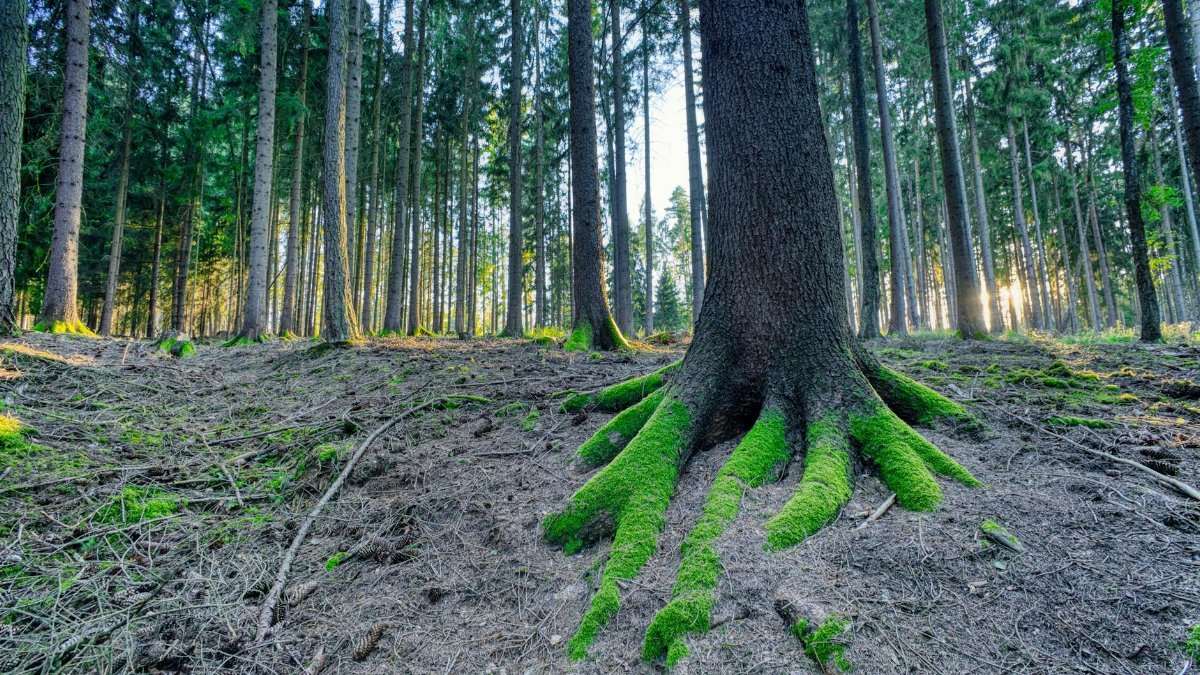
Forest bathing, known as shinrin-yoku in Japan, emerged in the 1980s as a response to urban burnout. But in Honolulu, it’s finding new soil. Local schools, from public institutions on Oahu to private academies, are weaving it into wellness programs, drawing on Hawaii’s lush landscapes. Picture a group of middle schoolers standing quietly among koa trees, instructors guiding them to notice the rustle of leaves or the scent of damp earth. This isn’t a one-off field trip; it’s becoming a weekly ritual. Educators cite research showing nature exposure can lower cortisol levels, the hormone tied to stress. One principal in Kailua described it as “giving kids a reset button in a world that’s always on.” The initiative builds on Hawaii’s cultural reverence for the ‘āina, or land, merging indigenous values with evidence-based practices. As 2025 unfolds, this blend could redefine how schools address mental health, moving beyond talk therapy to embodied experiences.
How Forest Bathing Addresses Student Stress
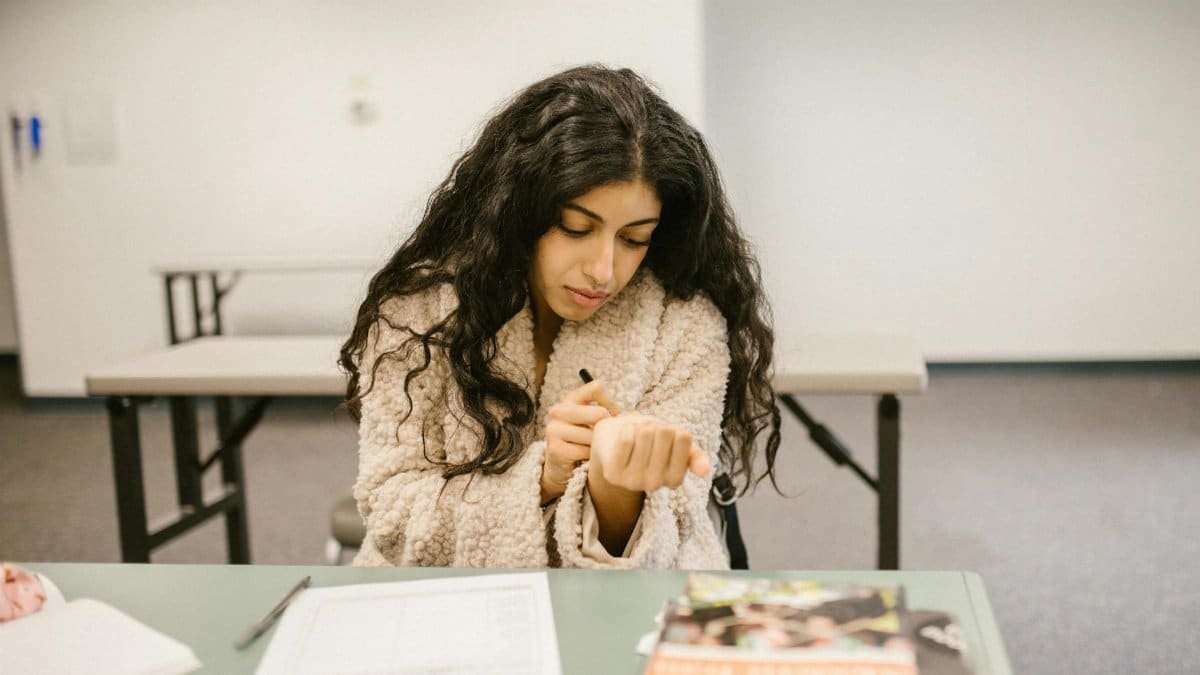
Stress in schools isn’t abstract; it’s the knot in a teenager’s stomach before exams or the exhaustion from juggling homework and social media. Forest bathing counters this by encouraging slow, intentional presence. In Honolulu programs, sessions often start with a simple invitation: close your eyes, feel the air on your skin. Studies back the benefits. For instance, a 2019 review in the International Journal of Environmental Research and Public Health found that forest bathing reduces anxiety and improves mood through phytoncides, natural compounds released by trees. Honolulu students report feeling lighter after sessions, with one anonymized account from an online forum describing it as “like washing away the noise in my head.” Yet, it’s not without hurdles—urban campuses with limited green space must get creative, sometimes using potted plants or virtual reality. This adaptability highlights honolulu wellness as a flexible tool for stress relief, tailored to island life.
Integrating Nature into the Curriculum
Imagine a biology class that spills out into a nearby park, where learning about ecosystems doubles as therapy. That’s the vision for Honolulu schools in 2025. Districts like the Hawaii Department of Education are piloting forest bathing modules, linking them to subjects like science and physical education. Teachers undergo training from certified guides, emphasizing sensory awareness over achievement. One educator shared how a session turned chaotic when rain hit, but the group laughed it off, bonding over mud-splattered shoes—a moment that built unexpected resilience. Data from similar programs elsewhere, such as a Nature Scientific Reports study, shows improved focus and emotional regulation post-exposure. In Honolulu, this integration isn’t just additive; it’s reshaping lesson plans to prioritize well-being, acknowledging that stressed minds learn less effectively.
Community and Cultural Ties in Honolulu Wellness
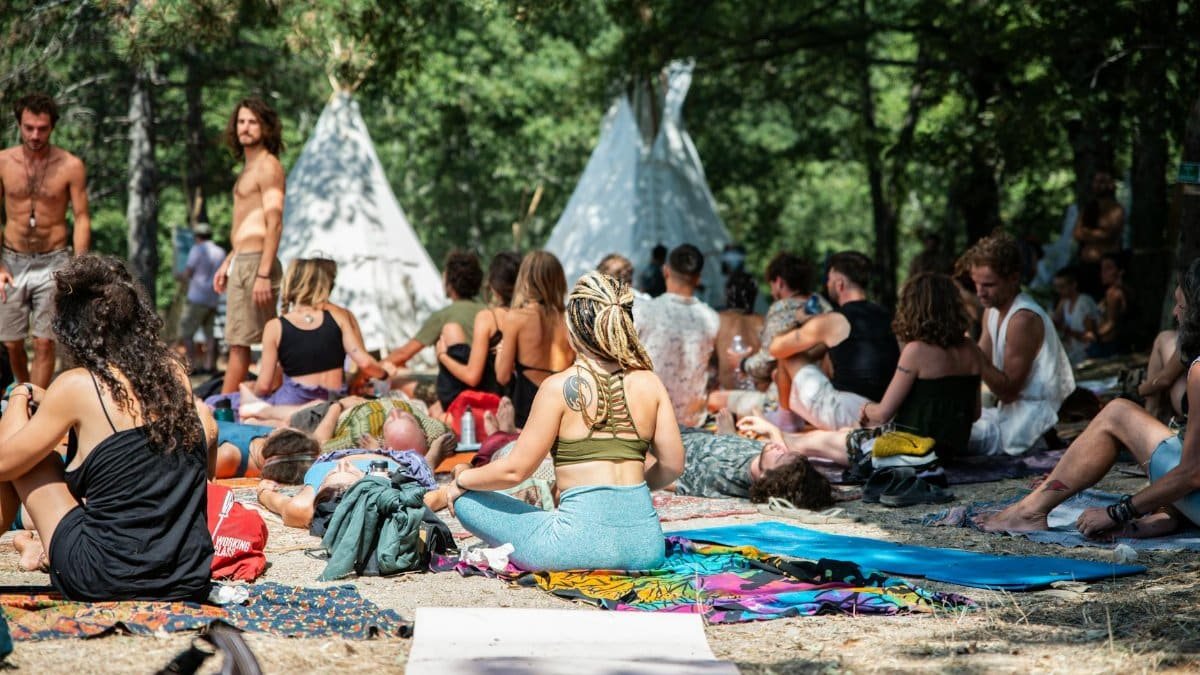
Honolulu’s approach to forest bathing isn’t isolated—it’s deeply rooted in community. Native Hawaiian practices, like ho’omana (empowering through nature), echo the method’s ethos, fostering a sense of connection to place. Schools partner with local organizations, such as the Waikiki Health Center, to extend sessions to families, turning wellness into a shared pursuit. A parent in a recent workshop recounted watching her child, usually glued to a screen, marvel at a bird’s call; it was a small revelation amid everyday chaos. This cultural synergy amplifies stress relief, with experts noting that communal nature experiences enhance social bonds. According to a American Psychological Association report, such activities can mitigate isolation, a key stressor for youth. As honolulu wellness evolves, these ties remind us that healing often happens in collective, grounded ways.
Challenges and Adaptations for Urban Settings
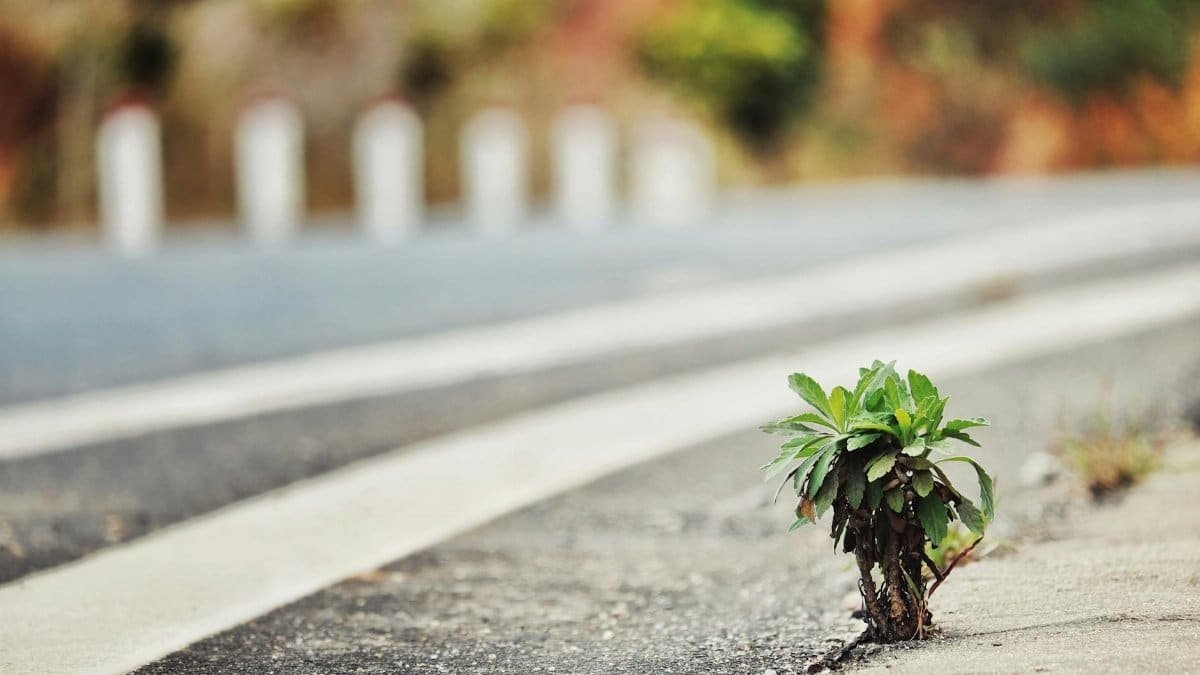
Not every Honolulu school boasts acres of forest. In denser areas like downtown, space constraints force innovation. Some programs use rooftop gardens or simulated environments with recorded nature sounds. Skeptics worry about equity—do all students have equal access? One teacher admitted initial resistance from administrators, who saw it as “fluffy” rather than essential. But pilot results are persuasive: reduced absenteeism and better self-reported calm. A CDC feature on school health underscores how even brief nature breaks boost cognitive function. Adaptations include mobile “forest kits” with essential oils and guided audio, ensuring inclusivity. These tweaks reveal the practice’s versatility, proving that forest bathing, honolulu wellness, and stress relief can thrive even in concrete jungles.
Measuring the Impact on Student Resilience

What does success look like? In Honolulu’s forest bathing initiatives, it’s measured in subtle shifts: fewer meltdowns, more thoughtful interactions. Pre- and post-session surveys track metrics like mood and focus, drawing on frameworks from positive psychology. Early data from local trials mirror national trends; a Pew Research Center analysis notes rising youth mental health concerns, with nature-based interventions gaining traction. One student’s story stands out—a high schooler who, after regular sessions, handled a family crisis with newfound poise. It’s not magic; it’s science, supported by findings that nature immersion strengthens neural pathways for coping. As 2025 programs expand, educators hope to build long-term resilience, equipping kids not just for tests, but for life’s inevitable storms.
Voices from the Front Lines

Listen to the participants, and the value crystallizes. A guidance counselor in Pearl City recalled a quiet boy who opened up during a forest walk, sharing fears he’d bottled up. “It was like the trees listened,” she said. Such anecdotes pepper discussions among Honolulu educators, blending hope with realism. Parents chime in too, one anonymously posting online about her daughter’s improved sleep after sessions, calling it “a game-changer for our hectic routine.” These voices underscore forest bathing’s role in stress relief, humanizing data points. Yet, they also highlight gaps—more training for facilitators is needed to handle diverse needs. In weaving these narratives, the practice emerges as more than a trend; it’s a lifeline in a high-pressure world.
Looking Beyond 2025: Sustaining the Practice
As Honolulu schools embed forest bathing, the question lingers: will it endure? Funding from state grants and partnerships with environmental groups offers promise, but sustainability demands buy-in. Experts suggest scaling through teacher-led clubs or app-based follow-ups. Broader U.S. trends, like California’s nature prescription programs, provide models. One vision: integrating it into teacher wellness too, creating a ripple effect. Amid climate challenges, this could foster environmental stewardship alongside personal growth. Ultimately, honolulu wellness through forest bathing invites a reevaluation of education—prioritizing the whole child in an era that often forgets to breathe.
Practical Tips for Bringing Forest Bathing Home
You don’t need a school program to start. Begin with a neighborhood park: stand still, notice five things you see, hear, feel. For families in Honolulu, weekends at Kapiolani Park work wonders. Guides recommend 20-minute sessions, no phones allowed. Adapt for kids: turn it into a game, like “treasure hunting” for textures. Resources abound, from books to apps, but the key is consistency. One family shared how it eased homework battles, transforming evenings from tense to tranquil. This home extension amplifies school efforts, making stress relief accessible and routine.
The Broader Implications for Mental Health Trends
Forest bathing in Honolulu schools signals a shift in how America tackles youth wellness. With mental health crises on the rise—per NIH data—nature-based solutions are gaining ground. They complement therapy, offering low-cost, scalable options. In Hawaii, this ties into aloha spirit, emphasizing harmony with nature. As other states watch, it could inspire nationwide adoption, blending science with serenity. The takeaway? In a digital age, reconnecting with the earth might be the simplest path to inner peace.