
Honolulu’s public transportation landscape is set for a significant overhaul, with the City and County of Honolulu’s Department of Transportation Services rolling out widespread honolulu thebus modifications effective March 1, 2026. These updates target major routes like the A Line to the University of Hawaiʻi at Mānoa and Route 40 to Mākaha, aiming to align bus schedules more seamlessly with the new Skyline rail system. Riders can expect earlier start times, boosted frequencies during peak hours, and expanded late-night options to the airport—a comprehensive refresh that’s poised to reshape Oʻahu’s transit network for better efficiency and accessibility, according to the city’s announcement [ here ].
Why Now? Aligning Buses with Skyline Rail
The timing of these honolulu thebus modifications couldn’t be more strategic. As the Skyline rail system comes online, Honolulu’s transit planners are prioritizing synchronization to create a more fluid multimodal network. Buses that once operated in isolation will now dovetail with rail arrivals and departures, reducing wait times and encouraging riders to mix bus and rail trips effortlessly. This isn’t just about convenience; it’s a response to Oʻahu’s growing demand for reliable public transit amid traffic congestion that has long plagued the island.
A Line to UH Mānoa: Smoother Commutes for Students and Workers

One of the most impacted routes is the A Line, which serves the bustling corridor to the University of Hawaiʻi at Mānoa. These modifications introduce earlier start times to catch the morning rush, ensuring students and faculty arrive on campus without the usual scramble. Increased frequencies mean buses will run more often during peak periods, cutting down on overcrowded vehicles and long lines at stops. For daily commuters who rely on this artery, the changes promise a less stressful ride, better integrated with rail connections that could whisk passengers from urban hubs to campus in record time.
Route 40 to Mākaha: Extending Reach to West Oʻahu
West side residents will feel the ripple effects on Route 40, which stretches all the way to Mākaha. The honolulu thebus modifications here focus on ramping up service reliability, with adjustments that include more frequent departures to match the pace of daily life in this expansive area. Earlier starts address the needs of early-shift workers, while the overall tweaks ensure the route syncs up with Skyline rail extensions, making cross-island travel less of a hassle. It’s a nod to equity, bringing enhanced service to communities often underserved by transit.
Earlier Start Times: Beating the Morning Rush

A hallmark of these updates is the shift to earlier start times across affected routes. Imagine boarding a bus before the sun fully rises, arriving at your destination fresh rather than frazzled. This change tackles one of the biggest pain points for Oʻahu riders: the bottleneck of morning commutes. By pushing back first runs, the Department of Transportation Services ensures TheBus is ready when people are, complementing Skyline rail’s schedule and potentially easing pressure on roads that see thousands of vehicles daily.
Increased Frequencies: More Buses, Fewer Waits
No modification is more welcome than increased frequencies, which will see buses hitting the streets more often, especially during high-demand windows. This upgrade addresses the frustration of staring at a timetable, only to miss a ride by minutes. For routes like the A Line and Route 40, the boost means shorter intervals between services, creating a rhythm that mirrors the pulse of Honolulu’s workday. As reported by the city, these enhancements are designed to handle surging ridership, fostering a transit system that’s responsive rather than rigid.
Late-Night Airport Service: A Lifeline for Travelers
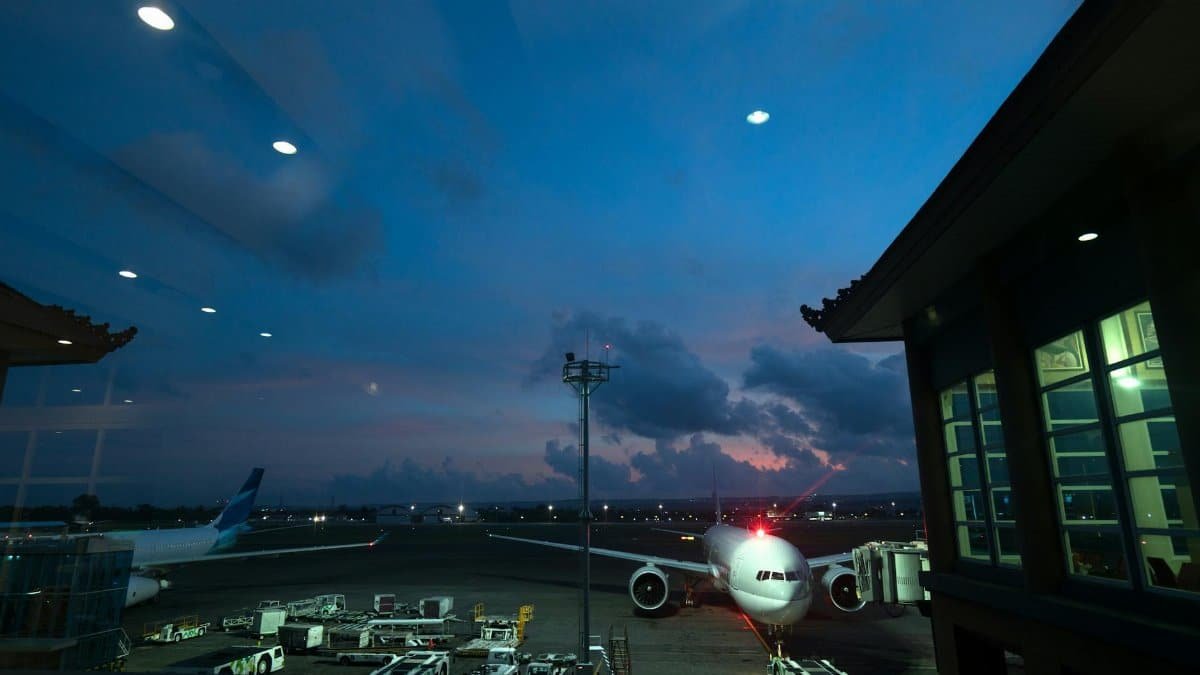
Evening owls and late arrivals will appreciate the expanded late-night service to the airport, a key feature of the honolulu thebus modifications. Whether you’re touching down from a red-eye flight or heading out for an early-morning departure, these extended hours fill a critical gap in Oʻahu’s transit coverage. Synced with Skyline rail, this means seamless transfers even after dark, reducing reliance on costly rideshares or taxis. It’s a practical win for budget-conscious travelers and shift workers alike.
A Major Update for Oʻahu’s Transit Future
Collectively, these changes mark a pivotal moment for Oʻahu’s public transit network. The widespread honolulu thebus modifications aren’t piecemeal fixes; they’re a holistic evolution, weaving buses into the fabric of the Skyline rail era. By prioritizing earlier operations, higher frequencies, and overnight airport links, Honolulu is building a system that anticipates riders’ needs. Studies from the American Public Transportation Association have long shown that integrated transit like this can boost ridership by up to 20% in urban areas, a trend these updates are primed to replicate here.
What Riders Can Expect on March 1, 2026

As the effective date approaches, TheBus users should prepare for a network that’s faster, more frequent, and better connected. Check schedules in advance, as routes like the A Line to UH Mānoa and Route 40 to Mākaha will see the most noticeable shifts. The Department of Transportation Services emphasizes that these modifications, detailed in their [official release], aim to deliver a smoother experience from day one. For Honolulu’s commuters, it’s a step toward a less car-dependent island, where public options finally keep pace with paradise.
By Natasha Weber, who has reported on urban mobility for outlets including Huffington Post and Bloomberg News.