
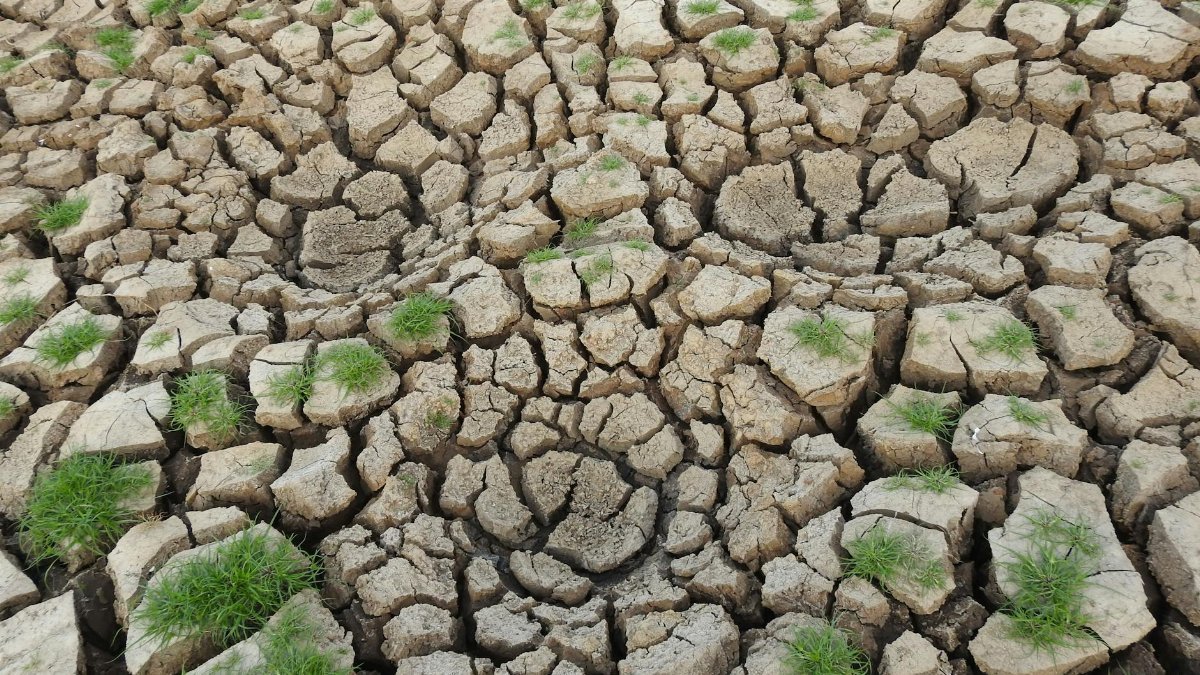
In drought-stricken communities, homeowners associations are spray-painting dead lawns green to fake healthy turf and safeguard property values. Viral videos capturing crews dousing brown grass with green dye have exploded online, exposing a controversial tactic amid strict water restrictions. Dated February 8, 2026, these clips reveal HOAs hiring professionals to maintain the illusion of lush yards, even as underlying lawns remain parched and unhealthy.
Viral Videos Ignite Debate

Short clips spreading rapidly across social media platforms show work crews in action, armed with sprayers loaded with non-toxic green dye. The footage, timestamped around early 2026, highlights neighborhoods where entire blocks of brittle, brown grass get a fresh coat of emerald. Viewers watch as the transformation unfolds in minutes, turning eyesores into picture-perfect lawns overnight. These videos have drawn millions of views, sparking conversations about deception in suburban upkeep.
HOAs Take the Lead
Homeowners associations, tasked with enforcing community standards, are driving this trend. In areas hit hard by prolonged droughts, HOAs face pressure to uphold aesthetic rules that demand green lawns. Rather than letting properties decline, they contract crews to apply the dye, ensuring compliance without wasting precious water. This approach keeps fines at bay and preserves the uniform look that defines many gated enclaves.
Drought Conditions Fuel the Practice
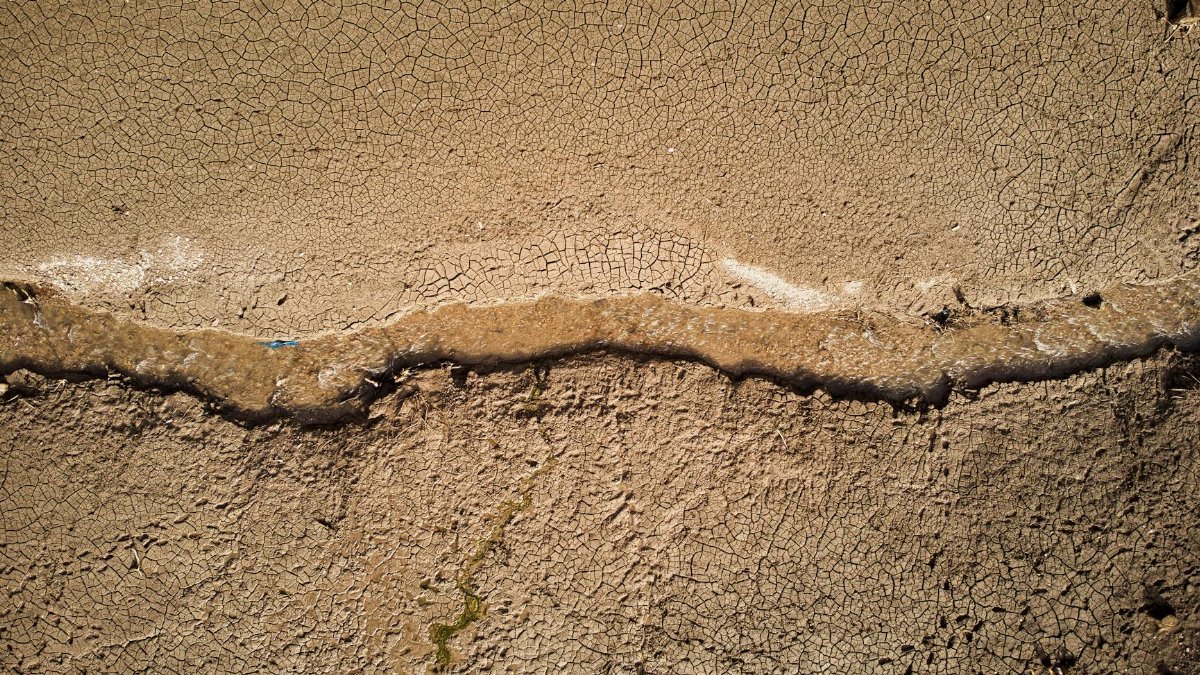
Water shortages have left grasses dormant and yellowed across drought-stricken regions. Mandatory restrictions limit irrigation, killing off natural turf despite residents’ efforts. The result: vast expanses of dead brown patches that clash with neighborhood ideals. Lawn painting emerges as a quick fix, restoring visual appeal without a drop of water. It’s become a go-to for communities where survival hinges on appearances during extended dry spells.
The Spray-Painting Process
Crews arrive with industrial sprayers, mixing eco-friendly dyes designed to mimic fresh grass. They methodically cover every blade, from sidewalks to backyards, achieving even coverage that withstands foot traffic and light rain. The dye clings to dead grass, providing a vibrant green hue that lasts weeks. No tilling or replanting required—just a targeted application to revive the facade. HOAs coordinate these operations block by block for maximum impact.
Property Values in the Spotlight
At the heart of this practice lies real estate economics. Brown lawns signal neglect, potentially tanking home prices in image-conscious areas. By opting for lawn painting, HOAs aim to stabilize values, making properties more marketable even in crisis. A green exterior reassures buyers and appraisers, masking the drought’s toll. Videos underscore how this cosmetic upgrade directly ties to financial stakes for homeowners.
Environmental Irony Exposed

While dyes are marketed as harmless, the videos prompt questions about sustainability. Painting over dead grass sidesteps conservation but highlights water policy failures. In regions where every gallon counts, this workaround underscores the tension between eco-rules and aesthetic demands. HOAs defend it as a temporary bridge, buying time until rains return or restrictions ease.
Community Reactions Vary
Online backlash mixes with reluctant approval. Some decry it as greenwashing, arguing it hides the true cost of climate shifts. Others see practicality: why let values plummet? The viral clips have prompted local discussions, with residents debating HOA bylaws. In affected areas, the practice gains traction as a normalized response to unrelenting dry conditions.
Broader Implications for Suburbs

This trend signals shifting norms in water-scarce U.S. landscapes. HOAs, once focused on live turf mandates, now pivot to dyed alternatives. The February 2026 videos serve as a wake-up call, illustrating how communities adapt—or deceive—to stay afloat. As droughts persist, lawn painting could redefine curb appeal standards nationwide.
For context on similar practices during past California droughts, see coverage from NPR on lawn dyeing. U.S. Geological Survey data on ongoing drought patterns is available at the USGS Droughts page.