
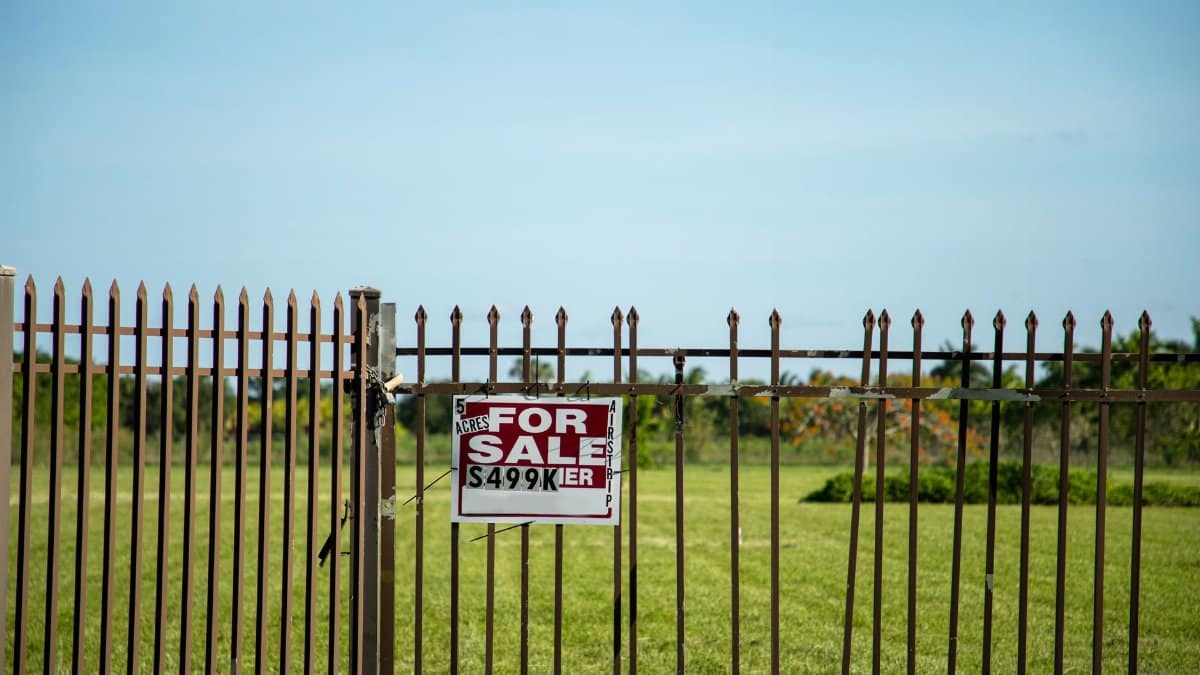
Houston’s largest school district has stepped back from a plan to sell a cluster of campuses and other parcels after elected trustees pressed administrators to halt the process. The HISD property sale would have involved 12 sites covering about 70 acres, a meaningful share of public land in neighborhoods that have already lived through closures, consolidations, and long stretches of empty classrooms. The reversal comes as the district nears a possible return to local control as soon as January, when questions of ownership and consent will matter as much as any balance sheet.
What trustees sought to stop

Elected trustees asked the administration to stop taking bids and to pause any move toward closing on the parcels. Their argument was straightforward. A sale of this scale should not be finished in the narrow window before voters and their chosen board regain a fuller say over district assets. Trustees did not need to claim that every acre must remain in public hands forever. They needed to insist that the decision belong to a board with a mandate, not to a timetable set by an appointed administration racing the calendar.
That request landed in a district where formal power has been split for years. State oversight placed day to day authority with an appointed superintendent and an appointed board of managers, while elected trustees kept a public platform and a claim on legitimacy. In that setting, a call to halt bids is both a procedural move and a political one. It tests whether public objection can still slow a transaction before signatures make it difficult to undo.
Twelve sites and seventy acres
Twelve sites do not sound like a city until you place them on a map. Together they amount to roughly 70 acres, enough land for several small parks, a cluster of housing projects, or a set of rebuilt schools if enrollment and funding ever justify that path. Some parcels are former campuses. Others are lots the district has held for operational reasons. Each one sits inside a particular street grid, with neighbors who remember bus routes, Friday night lights, or the year the building went dark.
Acreage is an easy number to quote and a poor measure of value. A corner lot near a rail line is not the same asset as a campus beside houses that families still hope to pass to their children. Selling them as a batch can hide those differences. Buyers look for assemblages they can redevelop. Residents look for continuity. The HISD property sale put those two ways of seeing land in the same sentence, which is why the pause drew attention beyond the usual audience for board agendas.
Why January hangs over the deal

The calendar is the quiet actor in this story. Houston Independent School District has operated under state intervention, and officials have pointed to a likely return to elected governance as soon as January. That date is not a magic restoration of trust. It is a threshold. Decisions made just before it will be read as either prudent housekeeping or as an attempt to lock in choices the incoming board might reject.
Timing also changes the burden of proof. If a sale were urgent because a building was unsafe, or because a court order required action, speed would be easier to defend. If the urgency is mainly administrative, trustees can fairly ask what harm follows from waiting a few months. Waiting has costs. Markets move. Deferred maintenance continues. Buyers lose patience. Those costs are real, and they are usually smaller than the cost of selling land the public later decides it needed.
Power during state oversight

State takeover rearranged who can sign, who can hire, and who can be ignored. Appointed leaders were installed to raise academic results and to steady a district that state officials judged to be failing students. Property management was never the headline of that intervention, yet real estate is where school governance becomes concrete. A closed campus is a vote you can walk around.
Elected trustees spent the intervention with limited formal authority and considerable symbolic weight. When they sought to halt bids, they were using the power they still had: publicity, constituent pressure, and the prospect that a future board could revisit any deal struck in haste. Administrators, for their part, can argue that surplus property is a fiduciary duty, not a political souvenir. Both claims can be true at once. The reversal suggests that, for now, the political claim carried the day.
What neighborhoods stand to lose
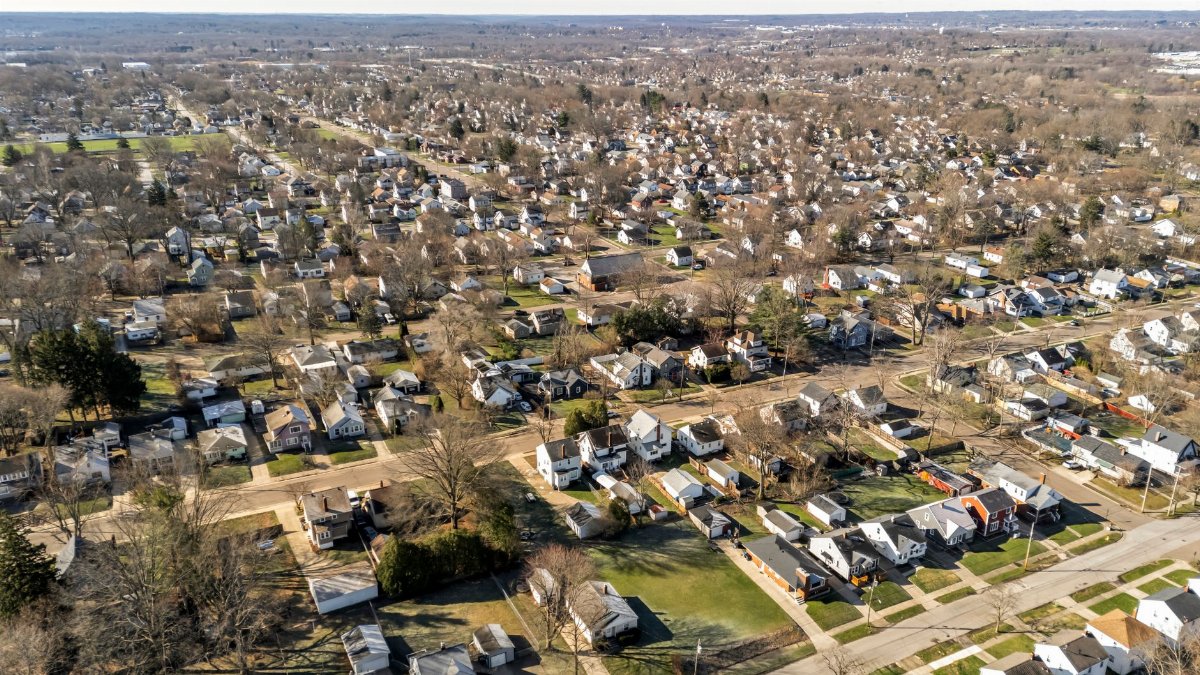
Public land is one of the few levers a school district holds in neighborhoods where private investment arrives unevenly. Once a parcel leaves the inventory, the district cannot easily buy it back. Prices rise. Zoning changes. A buyer who promised community use may sell again. Families who hoped a building might reopen as a school, a clinic, or a recreation site discover that hope had no legal standing.
There is another loss that does not show up in an appraisal. Schools are memory places. Even a shuttered campus organizes how people talk about a block. Selling it without a long public argument can feel like erasing a chapter while the people who lived it are still here. That feeling is not a reason to warehouse unsafe buildings forever. It is a reason to treat disposal as a civic act, not a facilities memo.
The case administrators can still make

None of this means the district should cling to every vacant structure. Empty schools cost money. Roofs fail. Copper disappears. Neighbors complain about blight, and blight is not a romantic idea when it sits across from a porch. A responsible district identifies land it will not need for classrooms, athletic fields, or future growth, and it looks for buyers who will maintain what they acquire.
The honest version of that case depends on evidence. Enrollment projections, facility condition reports, and a clear statement of what proceeds would fund belong in public before bids are invited. If proceeds would reduce debt, repair schools that remain open, or support programs with measurable results, residents can weigh that trade. If the plan is vague, suspicion fills the gap. The HISD property sale stalled in part because the public case had not outrun the public doubt.
How a reversal actually works

Stopping a sale is not the same as settling the future of the land. Bids may be withdrawn or allowed to expire. Contracts that were never signed do not need to be unwound. Appraisals grow stale. Staff who prepared packets return to other work. What remains is the inventory itself, still public, still aging, still politically charged.
A reversal can also reset expectations in an unhelpful way. Buyers who spent money on due diligence may hesitate the next time the district offers land. That chilling effect is a cost of caution, and it should be named. It is still preferable to a closing that a newly empowered board spends its first months trying to challenge. Clean process is a form of market signal. So is a last minute halt. The district will have to explain which signal it intends to send when it returns to the market, if it does.
Trust, control, and the next board

Local control is often discussed as a switch that flips from appointed to elected. In practice it is a relationship. Parents, teachers, and taxpayers decide whether the people who hold the gavel are listening. A property fight is a revealing test because the stakes are visible and the timeline is short. If trustees can force a pause, residents may believe other pauses are possible. If the pause is only theatrical, and sales resume under a new letterhead with the same haste, cynicism deepens.
The approaching return of authority gives the next board a choice it should not waste. It can publish a land policy before it publishes a bid package. It can separate parcels that might serve students again from parcels that clearly will not. It can invite neighborhood proposals with deadlines firm enough to be serious. None of that requires romance about empty buildings. It requires the discipline to match the speed of a sale to the permanence of the loss.
Questions worth asking in public

Readers who do not follow facilities policy can still ask a few plain questions. Which of the 12 sites are structurally unsafe, and which are merely unused? What enrollment forecast justifies calling them surplus? Who would have been eligible to bid, and what uses would deeds have allowed? Where would the money have gone, in dollars tied to named projects? Would waiting until after January have created a legal or financial emergency, or only an inconvenience?
Those questions are not hostile to professional management. They are the minimum a public owner owes the people who paid for the land. Reporting in the Houston Chronicle has tracked the trustee push to stop bids and the district’s change in course, a record residents can read alongside board packets rather than in place of them: https://www.houstonchronicle.com/news/houston-texas/education/hisd/article/properties-trustees-call-stop-bids-22533352.php
What the pause leaves unresolved

The immediate outcome is a halt, not a heritage designation. Twelve sites remain in play as policy, even if they are not in play as listings. Seventy acres will not maintain themselves while adults argue about governance. Roofs, fences, and insurance bills continue. A district that delays a sale without a maintenance plan has only traded one failure for another.
The deeper unresolved issue is consent. Houstonians are about to watch a large district attempt to hand authority back to elected officials after years in which many families felt decisions arrived from above. Land is a useful measure of whether that handoff is real. If the next HISD property sale is smaller, slower, and explained in ordinary language, the reversal will have done more than freeze a set of bids. It will have restored a sequence that public institutions forget at their peril: deliberate first, then dispose.
A standard worth keeping

School boards sell property. Cities sell property. The act is not a scandal by itself. Scandal, or at least injury, begins when the people who will live with the empty block learn the terms after the terms are fixed. Elected trustees sought a halt because they believed that line was close. Administrators reversed course. That is a modest victory for sequence, and sequence is how trust is rebuilt in institutions that have spent it down.
January will not settle every argument about academics, budgets, or state power. It can settle this one standard. Major disposals of public land should survive a board that expects to answer for them. If that standard holds, the acres can be sold later, kept later, or shared later, with a record that families can audit. If it does not hold, the next packet of bids will arrive with the same unease, and the map of Houston will keep losing pieces that no spreadsheet can put back.