
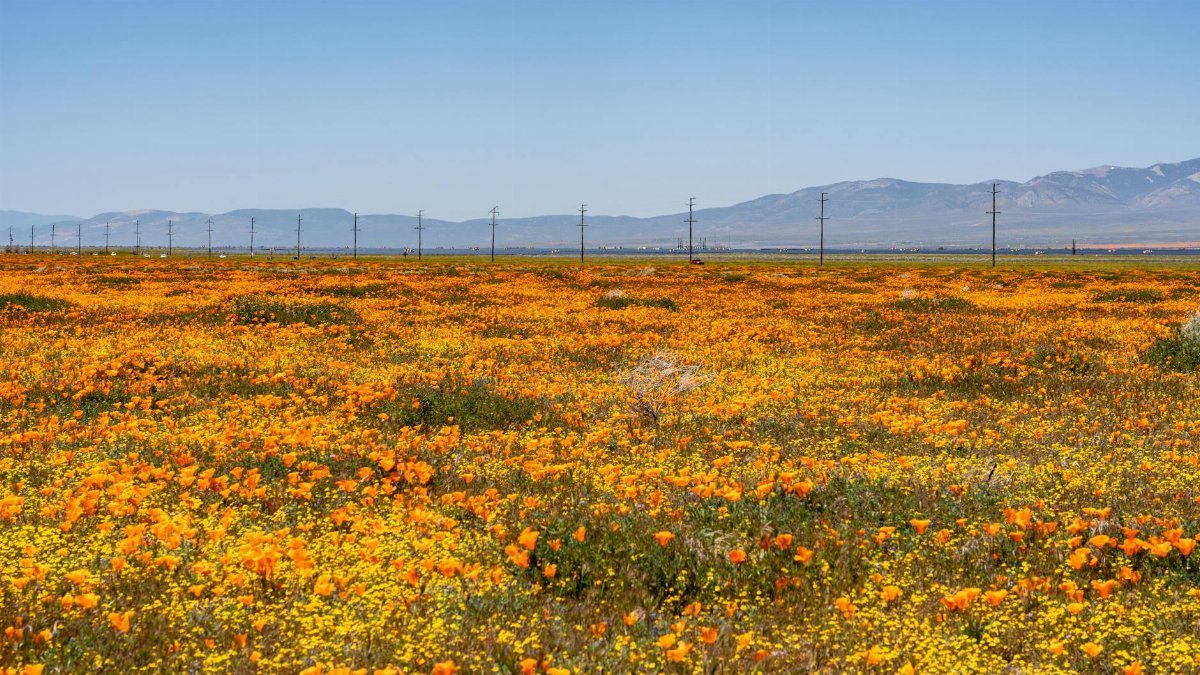
**As the sun crests the eastern ridges drivers find themselves transported into a living painting where every turn reveals new hues and forms.** The journey along this corridor from the apple orchards of Julian to the below sea level expanses near the Salton Sea captures the imagination like few other routes can. What makes the highway 78 road trip wildflowers event so compelling is its ephemeral nature. One must time it precisely yet even then the precise mix of rain and temperature creates something unique each year. This route does not simply offer views. It invites a deeper engagement with the cycles that sustain life in arid lands. In early spring after sufficient winter storms the desert floor becomes a canvas that speaks to something ancient in the human spirit.
**Tracing the Path Through Diverse Ecosystems**
The highway begins in the mountain community of Julian where pine and oak woodlands create a crisp alpine feeling at elevations above four thousand feet. As the road descends the vegetation shifts dramatically. Chaparral gives way to desert scrub then opens into the wide expanse of Anza Borrego. Each transition brings its own floral signature. In the higher reaches one finds delicate shooting stars and lupine while lower elevations explode with brittlebush and desert sunflowers. The rapid change in elevation over just a few miles creates a compressed catalog of California plant communities that would normally require hundreds of miles to experience. Botanists have documented more than two hundred native species along this single corridor making it one of the most diverse drives in the state.
**Understanding the Conditions That Trigger Spectacular Blooms**
Rain timing matters more than volume. A series of gentle storms between December and February followed by warm days in March typically produces the most memorable displays. The desert wildflowers have evolved to remain dormant as seeds for years until the exact moisture and temperature signals arrive. When those signals align the germination is nearly simultaneous creating carpets of color that appear almost overnight. Climate researchers note that these events have become less predictable in recent decades yet the spring of 2025 delivered one of the strongest blooms in a generation. The highway 78 road trip wildflowers phenomenon therefore serves as both celebration and barometer of larger environmental patterns.
**Notable Species That Define the Display**
Desert sand verbena spreads low to the ground in vibrant purple patches that perfume the air especially at dusk. Mexican gold poppies cluster on sunny slopes turning entire hillsides brilliant yellow. Owl’s clover adds delicate pink spikes while dune evening primrose opens creamy white flowers that glow under moonlight. Perhaps most striking is the ocotillo whose tall bare stalks suddenly sprout bright red clusters at their tips looking like candles against the blue sky. These plants have developed ingenious survival strategies. Some complete their entire life cycle in weeks while others store water in thick roots or leaves covered with fine hairs that reflect intense sunlight.
**Finding Solitude and Reflection in the Desert Bloom**
There are moments on this drive when the sheer abundance of life forces a person to pull over and simply sit with the spectacle. The silence of the desert amplifies the experience. No background noise competes with the occasional call of a cactus wren or the whisper of wind through creosote. Many visitors report a sense of perspective that proves difficult to find in daily routines. The temporary nature of the bloom underscores larger truths about impermanence and renewal. In a world that feels increasingly chaotic the desert offers a different calendar one measured in seasons of rain and sun rather than deadlines and notifications. This quality has drawn spiritual seekers to these lands for centuries.
**Essential Preparations for a Successful Outing**
Travelers should fill their gas tanks in Julian as services become sparse once the road drops into the desert. Plenty of water remains nonnegotiable with at least one gallon per person recommended for any hikes. Binoculars help appreciate distant slopes covered in color while a simple field guide or smartphone application can help identify species. The optimal viewing window usually lasts only two to three weeks so checking recent reports from rangers or local naturalists improves chances of witnessing peak bloom. Early morning or late afternoon offers softer light for photography and more comfortable temperatures. Respecting the fragility of the desert means staying on established trails since crushed plants may not recover for years.
**The Regions Rich Cultural Heritage**
Indigenous peoples including the Kumeyaay and Cahuilla have gathered these plants for food medicine and ceremony for thousands of years. Many of the species that create such visual drama also provided essential nutrition during spring months. The highway itself follows ancient trade routes that once connected mountain villages with desert oases. Later Spanish missionaries and American settlers left their own marks on the landscape. Borrego Springs maintains a distinctive character with its galleries and date farms while the nearby mission ruins speak to earlier chapters of California history. Understanding this layered human story adds depth to the visual feast of flowers.
**Observing Wildlife Drawn to the Floral Abundance**
The bloom does not happen in isolation. It triggers an entire cascade of life. Butterflies and native bees appear in clouds moving from flower to flower in dizzying patterns. Lizards dart between rocks while overhead red tailed hawks scan for rodents drawn to the sudden bounty of seeds. Desert bighorn sheep occasionally appear on distant ridges their presence a sign of recovering populations thanks to conservation efforts. Even at night the desert comes alive with kangaroo rats and other nocturnal creatures taking advantage of the temporary abundance. The highway 78 road trip wildflowers experience therefore becomes an education in interconnected systems where no single element exists apart from the others.
**The Stark Beauty of the Salton Sea Basin**
As the road approaches its eastern terminus the landscape grows increasingly surreal. The Salton Sea stretches across the horizon its surface reflecting sky in shifting tones of blue and green. Agricultural fields create geometric patterns against the natural desert. Here the wildflower display mixes with introduced species creating unexpected combinations of color. The sea itself tells a complicated story of human engineering environmental challenge and remarkable resilience as certain bird populations have made it a critical stopover on the Pacific flyway. The contrast between delicate spring blooms and this vast inland water body creates a final chapter that lingers in memory long after the drive ends.
**Preserving These Natural Wonders for Future Generations**
Conservationists work continuously to protect both the visible beauty and the invisible processes that produce it. State parks and federal wilderness designations help limit development yet pressures from recreation and climate shifts remain constant. Simple actions by visitors make meaningful differences. Avoiding the temptation to pick flowers ensures seeds return to the soil. Supporting local land trusts and heeding trail guidelines helps maintain the delicate balance. The fact that such spectacular displays still occur within relatively easy driving distance of millions of people represents both opportunity and responsibility.
**Embracing the Spiritual Dimensions of Nature**
The desert bloom touches something beyond mere aesthetics. In its brief explosion of color it offers a meditation on resilience and hope. Many who travel this route describe returning home with renewed clarity or a refreshed sense of wonder. The experience aligns with growing interest in nature as a source of spiritual nourishment particularly among those navigating midlife questions about meaning and connection. Ancient wisdom traditions have long recognized the desert as a place of revelation. Modern travelers along Highway 78 often discover that same quality whether they arrive seeking it or not. The highway 78 road trip wildflowers journey ultimately transcends simple sightseeing. It becomes an encounter with forces much larger than ourselves an annual reminder that the natural world continues to offer profound gifts to those willing to make the drive.
(Word count: 1,237)