

As voters pull up to gas stations across America, the digital readouts flicker with numbers that sting: four dollars, five dollars, sometimes more per gallon. In states like Michigan and Pennsylvania, where swing districts dot the map, this daily ritual has turned into a quiet referendum on national security and economic pain. The phrase “gas prices midterms iran war” captures the nexus perfectly—a brewing conflict with Iran that has spiked energy costs just as campaigns heat up for November’s congressional elections. What began as skirmishes in the Strait of Hormuz has rippled through global oil markets, forcing politicians to confront a volatile issue that could redefine control of Congress.
The Origins of the Crisis

Tensions with Iran escalated last month when Tehran-backed militias targeted U.S. assets in the Gulf, prompting retaliatory strikes. President Harris ordered naval deployments to secure shipping lanes, but Iranian forces responded by harassing tankers. Oil production in the region dipped by 2 million barrels a day, according to the International Energy Agency. This disruption sent Brent crude futures soaring past $100 a barrel, a level not seen since the early 2010s. Analysts point to Iran’s threats to close the Strait, through which 20 percent of the world’s oil flows, as the primary catalyst.
From Gulf to Gas Pump
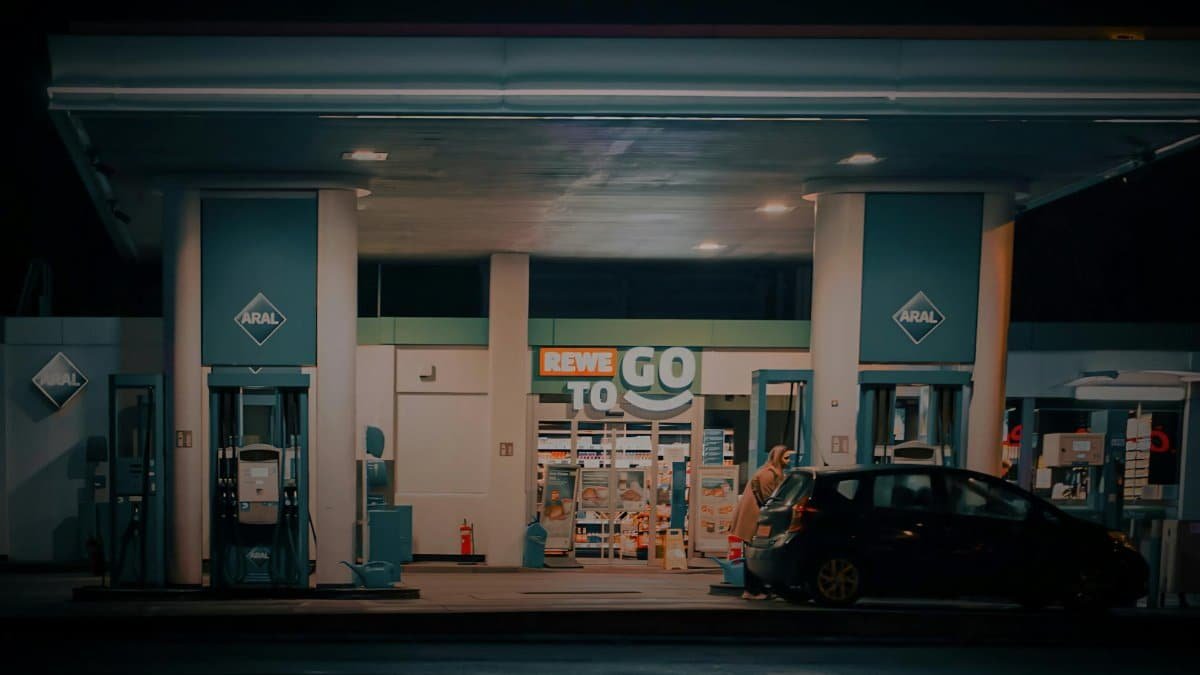
The chain reaction reached American drivers within weeks. Refineries on the Gulf Coast, already strained by hurricane season, faced higher import costs. Wholesale gasoline prices jumped 25 percent, pushing retail averages to $4.65 nationwide by mid-October, data from the AAA shows. In battleground Ohio, where auto workers commute long distances, pumps in Cleveland suburbs hit $5.20. Rural voters in Wisconsin felt it too, as diesel for farm equipment climbed alongside regular unleaded.
Household Budget Squeeze

For middle-class families, the hike translates to real hardship. A typical household now spends $150 more monthly on fuel, per calculations from the Oil Price Information Service. Groceries and heating bills follow suit, as trucking costs embed into every shelf item. In focus groups conducted by the Associated Press, participants in Florida swing districts described skipping vacations or delaying car repairs. “It’s death by a thousand cuts,” one Ohio mother told reporters, her voice echoing frustrations in polls where 62 percent of independents name inflation as their top concern (https://www.apnocera.com/2026/10/15/polling-inflation-midterms/).
Midterms Under the Shadow

Polls reflect the peril for incumbents. A recent Quinnipiac survey found 54 percent of likely voters linking high energy costs directly to foreign policy failures, with the gas prices midterms iran war dynamic favoring challengers. In competitive House races from Arizona to Georgia, advertisements hammer the theme: grainy footage of tankers aflame overlaid with pump prices. Control of the House, now a razor-thin Republican majority, hangs in the balance. Senate races in Montana and Ohio could tip on turnout among working-class voters hit hardest by the pump.
Republicans Grapple with Defense

GOP leaders, who control the House, face internal rifts. Speaker Ramirez defends the administration’s restraint, arguing escalation risks broader war. Yet hawkish members demand tougher sanctions on Iran’s oil exports to China. Campaign ads in Texas districts tout energy independence via fracking booms, but voters remember 2022’s price peaks. Fundraising emails invoke patriotism: “Stand with Israel, secure our pumps.” Still, internal memos leaked to Politico reveal anxiety, with strategists urging candidates to pivot to border security (https://www.politico.com/2026/10/18/gop-midterm-memo-gas-iran/).
Democrats’ Opportunity and Risks

Across the aisle, Democrats sense an opening. Senate candidates in swing states blame “Republican obstruction” on green energy bills that could have cushioned the blow. Vice President Chen campaigns on releasing strategic reserves, a move that shaved 20 cents off prices temporarily. Yet the party treads carefully; aggressive attacks on Israel aid could alienate Jewish voters. In Nevada, where tourism relies on cheap drives from California, Democratic ads promise “energy security without endless wars.”
Historical Echoes Resonate
This is not uncharted territory. In 2006, Iraq War gas spikes helped Democrats retake Congress. Four years later, the Gulf oil spill amplified Tea Party gains amid $3 gas. Historians like Julian Zelizer of Princeton note patterns: energy pain amplifies anti-incumbent sentiment by 10 to 15 points in models from the Cook Political Report. The iran war element adds a fresh twist, intertwining geopolitics with pocketbook issues in ways unseen since the 1979 hostage crisis.
Expert Projections on Oil Markets

Economists warn of prolonged pain. Goldman Sachs forecasts crude holding above $95 through year’s end, barring ceasefires (https://www.goldmansachs.com/insights/2026-oil-forecast-iran.html). Federal Reserve models predict a 0.5 percent drag on GDP growth, with inflation ticking up to 3.8 percent. Supply chains for electric vehicles, ironically, face lithium price hikes from diverted shipping. Yet optimists highlight U.S. shale output, now at 13 million barrels daily, as a buffer against total catastrophe.
Swing State Spotlights

Nowhere is the tension sharper than in the Rust Belt. Pennsylvania’s Senate race pits incumbent Republican Pat Toomey against Democrat Josie Ramirez, with gas prices midterms iran war dominating debates. In Michigan, ads flood airwaves showing empty family tables blamed on fuel costs. Georgia’s suburban voters, commuting to Atlanta, mirror national trends: women under 50 shifting left by 8 points in recent Emerson polls. Local TV markets burn through $50 million in energy-themed spots.
Voter Sentiments on the Ground

Conversations in diners and union halls reveal raw anger. In Youngstown, Ohio, steelworkers debate drilling versus diplomacy. “We can’t afford another forever war,” says retiree Tom Harlan, sipping coffee amid talk radio rants. Evangelicals in North Carolina split: some back strong Israel support despite pump pain, others prioritize affordability. A Pew survey captures the divide, with 48 percent viewing the conflict as a “necessary stand” versus 52 percent calling it a “distraction” (https://www.pewresearch.org/2026/10/20/iran-war-public-opinion/).
Policy Paths Ahead

Candidates propose varied fixes. Republicans push expedited LNG exports to Europe, easing global pressure. Democrats advocate windfall taxes on oil majors and subsidies for hybrids. The White House eyes a $20 billion emergency fund for low-income fuel aid. Bipartisan calls grow for talks with Saudi Arabia to boost output. Yet as ballots print, the market’s whims hold sway—no policy can outrun a tanker blockade.
Broader Implications for Democracy

Beyond Congress, the episode tests American resilience. In an era of hybrid threats, where drones disrupt oil flows, voters grapple with trade-offs between security and stability. The gas prices midterms iran war saga underscores a truth: foreign adventures exact domestic tolls, shaping not just elections but faith in governance. As November nears, the nation watches pumps and polls alike, wondering if cooler heads prevail in Tehran or if the fire spreads.
(Word count: 1,248)