
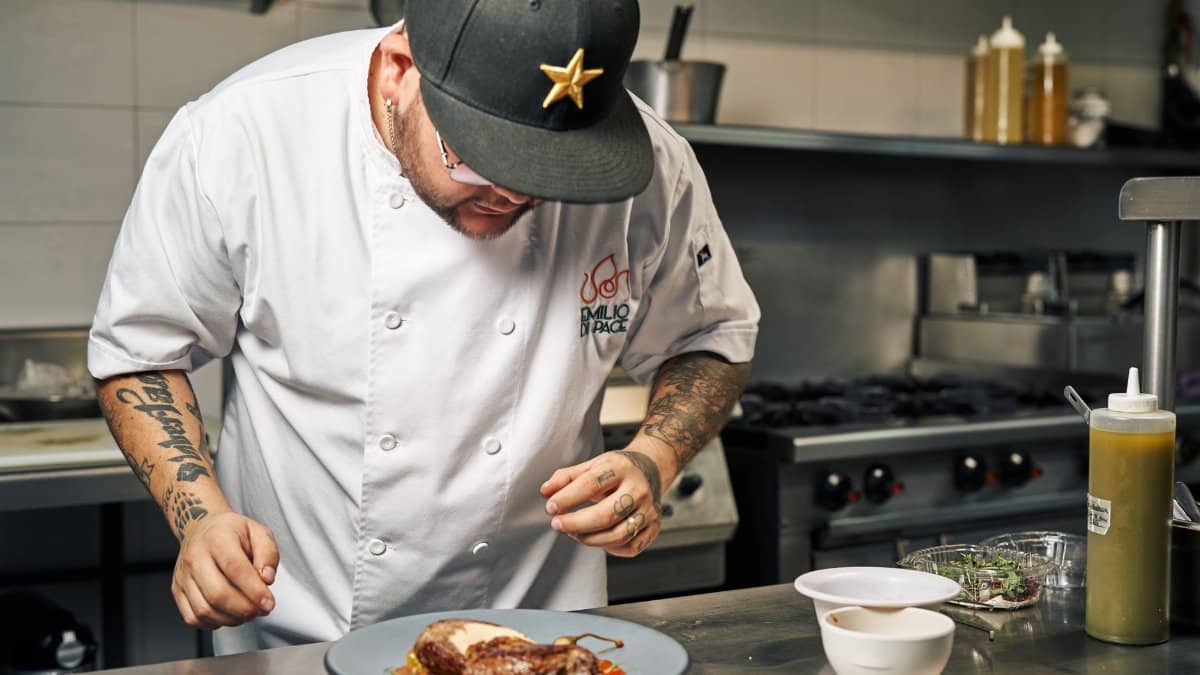
On a warm evening in Wynwood, the murals still hold the last light and the sidewalks fill with people who came for art and stayed for dinner. Into that restless mix, a Chicago chef with a national following is preparing a new room. Ladygoat Wynwood restaurant is expected to open in early 2027, carrying the name of Stephanie Izard and a menu that local reporting has already sketched in outline: goat empanadas, a wood fired seafood tower, and other dishes meant for a table that does not eat in silence. The announcement is short. The curiosity it starts is not. Miami has welcomed famous cooks before. What feels distinct here is the particular appetite Izard has spent years training, one that treats sharing as the point rather than the side note.
A name that already travels
Stephanie Izard won Top Chef in its fourth season and then did the harder work of staying interesting after the cameras left. In Chicago she built Girl and the Goat into a dining room people planned trips around, a place where bold seasoning, off cuts, and a sense of play sat on the same plate. That reputation is the quiet partner in any new opening. Diners who have never set foot in the West Loop still arrive with a picture in mind: food that is generous, a little unruly, and unwilling to whisper.
A new city does not inherit that picture for free. Chicago regulars know the pacing of her rooms, the way a menu can swing from snack to feast without losing its center. Miami guests will meet the cook through a different door, in a neighborhood that already performs for visitors and locals at once. The name opens the conversation. The first month of service will have to finish it.
What the new room is promising

The early description of Ladygoat Wynwood restaurant is spare, which is how most restaurant news begins, before a liquor license, a construction delay, or a hiring surge fills in the rest. What has been put on the record is enough to suggest a point of view. Goat empanadas point toward a snack that can travel from bar to table. A wood fired seafood tower points toward spectacle with a purpose, the kind of dish that makes a group lean in and negotiate who gets the last oyster or the last slick of sauce.
Those two ideas, humble pastry and towering seafood, are not opposites in Izard’s world. Her cooking has long treated luxury and comfort as neighbors. A tower can be theater. An empanada can be the thing people talk about on the walk to the car. If the room holds both, it will feel less like a trophy opening and more like a place with a daily rhythm.
Goat, fire, and the logic of sharing

Goat is not a shy ingredient, and choosing it as a signature is a small act of confidence. In many American dining rooms it still needs a sentence of explanation. In others, especially where Caribbean, Latin American, Mediterranean, and South Asian cooks have kept it ordinary, it needs no speech at all. Miami is closer to the second group. An empanada stuffed with goat can read as welcome rather than stunt, a folded parcel that fits the way this city already eats with its hands.
Fire does similar work. A wood fired seafood tower is not only a list of shellfish. It is a claim about smell, char, and the pace of a kitchen that wants the dining room to notice the hearth. Sharing towers have a social job. They slow a table down. They force a little negotiation. In a neighborhood where dinner can feel like another stop on a route, a dish that asks people to stay put is its own kind of design.
Why Wynwood, and why this hour

Wynwood grew up in public. Warehouses became galleries, galleries became restaurants, and the paint on the walls became a destination of its own. The crowds brought money and also a problem every maturing neighborhood faces: how to feed people who already have photographs of the street, and how to feed people who live nearby and are tired of being extras in someone else’s weekend. A serious dining room has to answer both.
Early 2027 is far enough away that the plan can still change, and close enough that contractors, cooks, and landlords are presumably already in the same conversation. I have walked those blocks on a Saturday when the coffee line bent around a corner and the murals looked both famous and slightly tired. A restaurant that opens into that scene will be judged twice, once as news and once as a Tuesday night. The second judgment is the one that lasts.
The Chicago rooms behind the reputation
The headline truth is simple. Her restaurant is a hit in Chicago, and that hit was not an accident of television. Girl and the Goat gave Izard a stage large enough to test ideas in public, night after night, with a team that had to repeat excellence rather than describe it. Later projects extended the same instinct: food that is craveable without being careless, rooms that feel busy in a good way, menus that trust diners to handle spice, fat, and surprise.
Transplanting that instinct is not the same as copying a floor plan. Chicago winters shape how people gather. Miami evenings shape it differently. Air conditioning, patios, late arrivals, and a guest list that may switch languages at the table all change the job of the host stand. The skill that should travel is attention. The recipes will have to earn their keep in new weather.
A neighborhood that eats with its eyes open
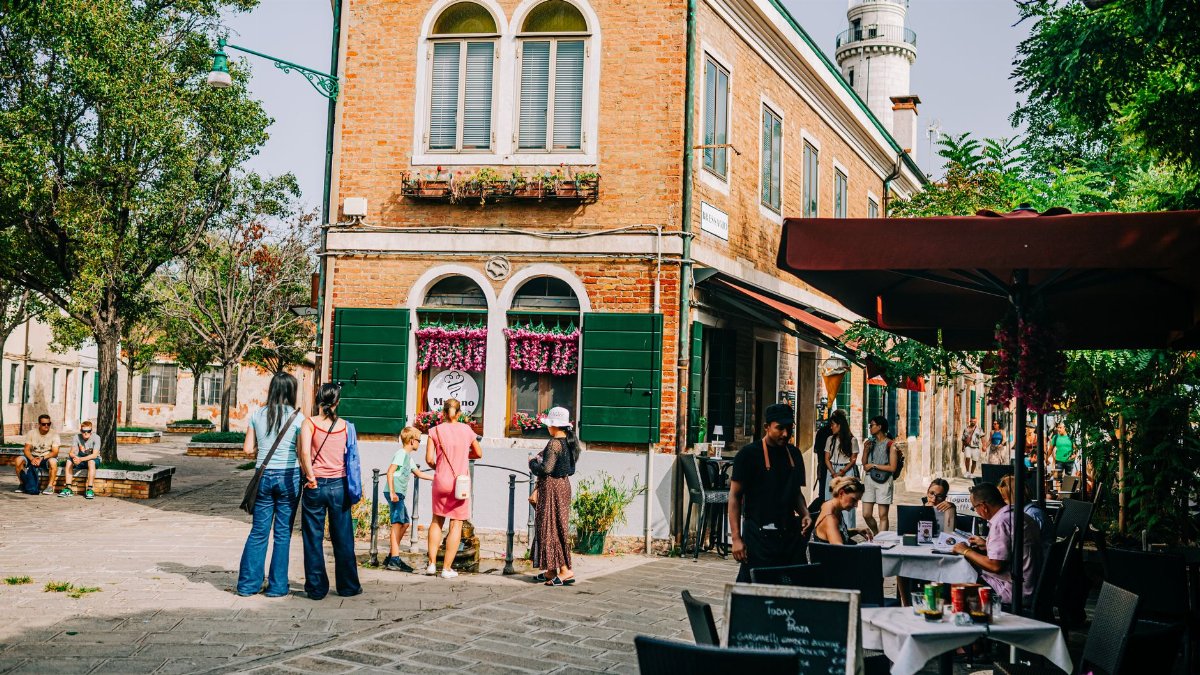
Wynwood diners are not a single type. Some come for a celebration and want the tower, the photograph, the story to text home. Some work in the arts nearby and want a place that will still be good when the opening banners come down. Some are visitors who know Izard from a screen and will order the dish with her name attached to it in their memory, whether or not that dish is the best one on the list.
A smart opening menu respects all three without letting any one of them write the whole script. Goat empanadas can be the democratic bite. Seafood can be the occasion. The rest of the card, still mostly unseen, will decide whether Ladygoat Wynwood restaurant feels like a full idea or a headline with chairs. Kitchens reveal themselves in the dishes nobody mentioned in the press note.
The risk of arriving famous

Fame is a reservation book and a burden. Guests who have waited years for a table in another city may arrive expecting a replica. Critics may arrive expecting either a coronation or a fall. Neighbors may arrive wondering whether another celebrated import will raise rents in spirit if not on paper, taking a storefront that might have gone to a cook from here. None of those expectations is entirely fair. All of them will be in the room.
Izard has lived with attention long enough to know that the third week matters more than the first photo. Staffing will tell the truth faster than any preview. If the cooks are supported, if the servers can explain goat without apology and seafood without snobbery, the reputation becomes a tool rather than a cage. If the room is built only to be recognized, recognition will fade and the lease will remain.
What early 2027 will ask

An opening date that sits in the future is a kindness and a test. It gives a team time to hire, to train, to burn a few practice tickets before a stranger tastes them. It also gives a city time to form an opinion before the doors exist. By the time service starts, some guests will feel they already know the place. The kitchen will have to be better than that preview.
Practical questions remain unanswered in public, and they should. Address, price, hours, and the shape of the bar are the sort of facts that harden late. What can be said now is tonal. The announced dishes suggest abundance. Abundance is expensive to execute well. Seafood towers fail when the ice is an afterthought. Empanadas fail when the dough is a vehicle and not a pleasure. The margin for poetry is wide. The margin for carelessness is not.
A table as a form of attention

There is a habit, in writing about restaurants, to treat them as lifestyle and stop there. A better measure is how a room holds people who did not arrive as a brand. Someone celebrating a plain Thursday. Someone new to goat and unsure. Someone who knows every mural outside and wants the food to be the reason to come back inside. If Ladygoat Wynwood restaurant can feed those tables with the same nerve that made Izard matter in Chicago, the opening will be more than a transfer of fame.
Until then, the story is a promise with a date on it. Early 2027. A chef whose Chicago rooms taught a national audience to expect flavor without fussiness. A Miami neighborhood that already knows how to draw a crowd and is still learning which crowds stay. Goat in a folded crust. Seafood over fire. The rest is the work, which is the only part of a restaurant that cannot be announced in advance.