
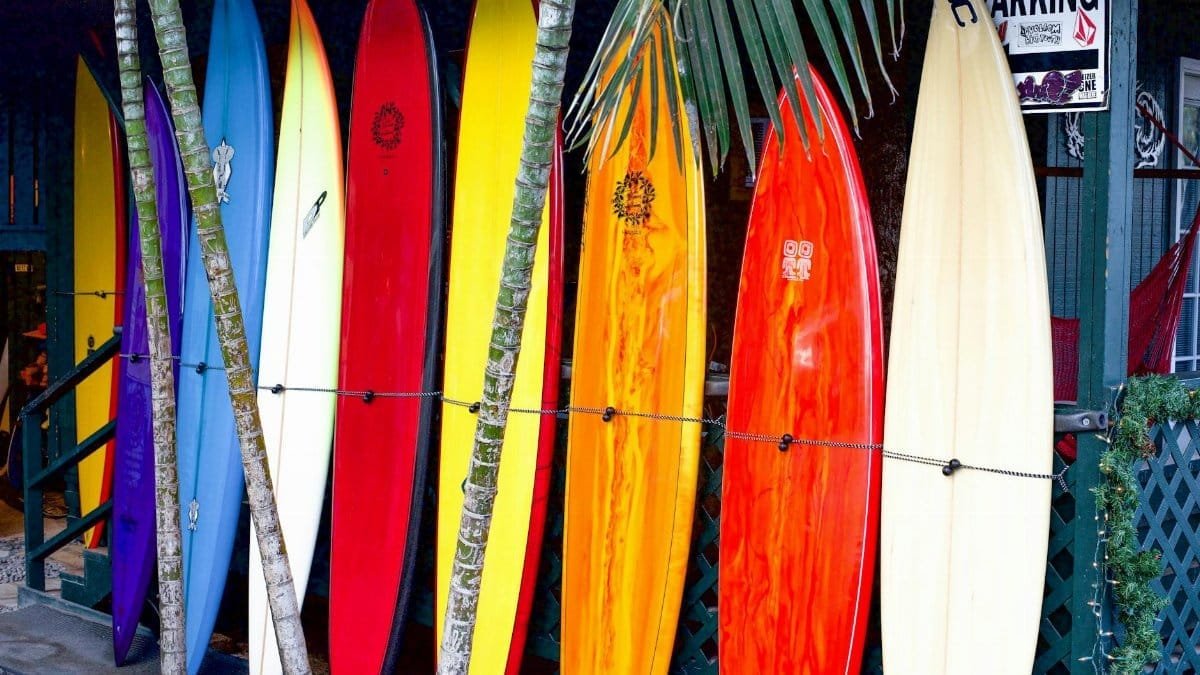
Hawaii surf ego retreats are causing a major shift in wellness tourism this year. On O‘ahu, a handful of surf camps are redefining the island getaway by blending dawn wave sessions with a unique breathwork practice called EgoEase. Since January, five camps, including Sunrise Surf and Makai Waves, have rolled out this innovative approach, drawing a surge of visitors seeking both adventure and inner reset. With bookings up and state funding backing a deeper look, these retreats are making waves far beyond the shore.
Dawn Sessions with a Twist
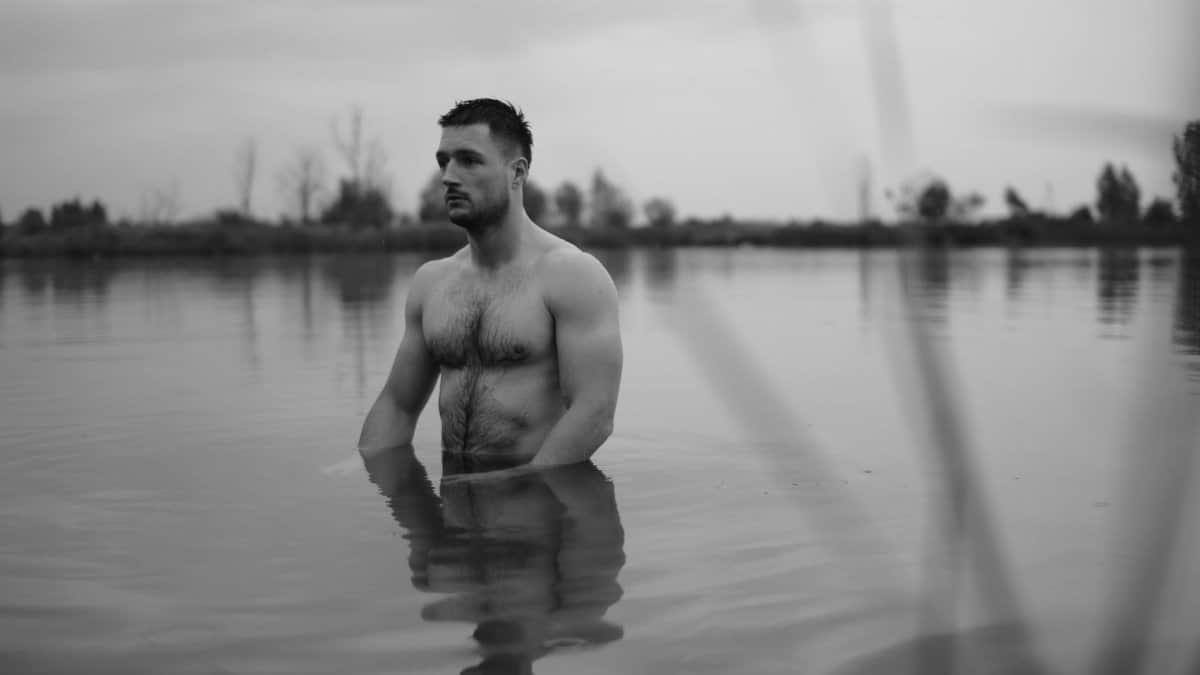
At the heart of these Hawaii surf ego retreats is a new dawn ritual. Guests at five O‘ahu surf camps now start their day with a 25-minute EgoEase breath regimen, guided by practitioner Kaleo Manu. This practice, designed to quiet the mind and dissolve ego-driven stress, sets the tone for a day of surfing. Unlike traditional surf camps focused solely on catching waves, this addition aims to balance physical thrill with mental clarity, appealing to a growing demographic of wellness seekers.
Retreat Packages: More Than Just Surfing
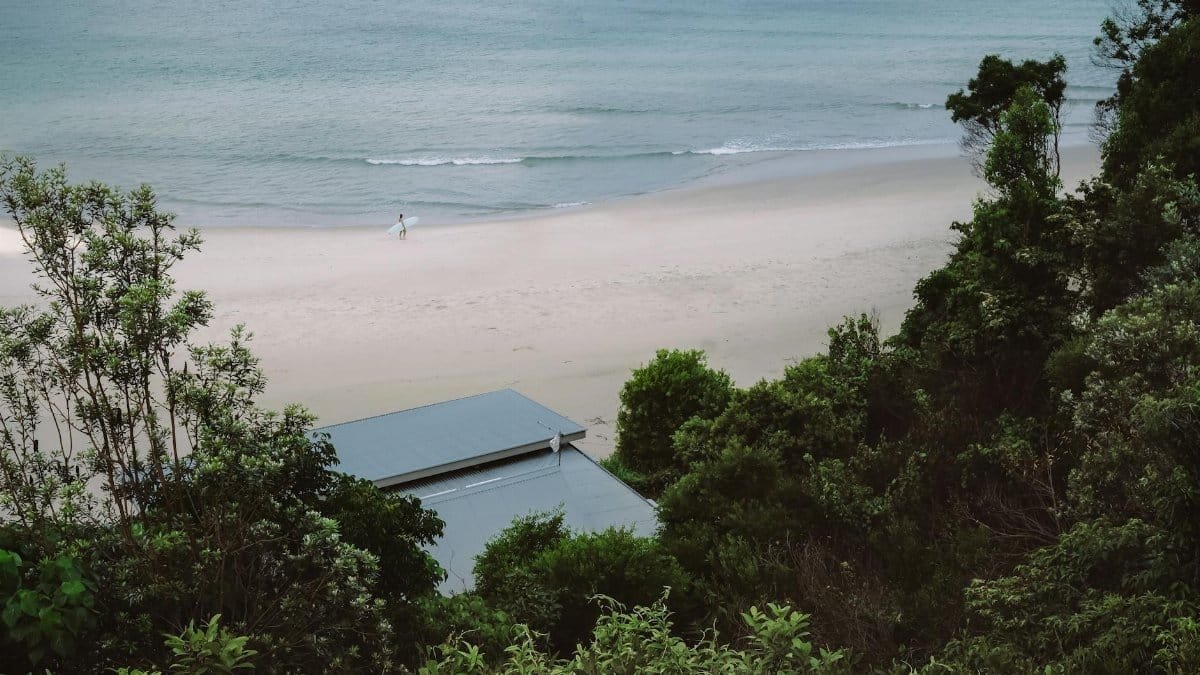
The retreat packages offered by camps like Sunrise Surf and Makai Waves go beyond the board. Each bundle includes three guided ocean meditations, allowing participants to connect with the sea on a deeper level. Journaling circles provide space for reflection, while digital-device lockboxes encourage a full disconnect from the outside world. This holistic approach is crafted to foster mindfulness, making these retreats a standout in Hawaii’s crowded tourism market.
Booking Boom Since January

Since integrating the EgoEase protocol in January 2025, operators report a significant uptick in interest. Week-long bookings have surged by 30 percent, a clear sign that the blend of surfing and breathwork resonates with travelers. Even more telling, repeat-guest rates have climbed to 42 percent, suggesting that visitors aren’t just trying this experience once—they’re coming back for more. For an island economy heavily reliant on tourism, these numbers signal a promising niche.
Economic and Ecological Impact Under Study

The Hawai‘i Tourism Authority is taking notice of this trend, allocating $450,000 to study the program’s broader effects through 2026. The funding will examine both the economic boost these retreats provide and their ecological footprint. With tourism often straining local resources, understanding how these camps impact O‘ahu’s environment is critical. The study aims to ensure that growth in this sector remains sustainable, balancing visitor appeal with the island’s natural and cultural preservation.
A Growing Wellness Tourism Trend

These Hawaii surf ego retreats tap into a larger U.S. trend of wellness tourism, which has gained traction in 2025 as travelers prioritize experiences over mere destinations. According to data from the Global Wellness Institute, the wellness tourism market continues to expand, with consumers seeking transformative trips. Hawaii, already a hub for nature-based escapes, is uniquely positioned to lead in this space by merging its iconic surf culture with innovative practices like EgoEase.
Challenges and Future Prospects

While the early success is undeniable, scaling these retreats poses challenges. Operators must navigate limited coastal space and ensure that increased foot traffic doesn’t harm O‘ahu’s delicate ecosystems. The state-funded study will likely provide insights into managing these issues. For now, the fusion of surfing and breathwork offers a fresh draw for Hawaii’s tourism industry, potentially setting a model for other destinations. As more data emerges, the long-term viability of this approach will become clearer.
Why It Matters for Travelers and Locals

For travelers, these retreats offer a rare chance to reset both body and mind in one of the world’s most stunning settings. For locals, the surge in bookings could mean more jobs and revenue, provided growth is handled responsibly. Resources like the Hawai‘i Tourism Authority website highlight ongoing efforts to align tourism with community and environmental needs, a balance these surf camps must maintain as they expand.