

They are alive, but they are gone. “Grieving the living” captures the raw pain of adults severing ties with toxic family members, especially parents. This estrangement triggers a profound grief process, mirroring loss without death. In 2026, it has emerged as the silent mental health crisis gripping families across the U.S. No funerals mark the end, yet the emotional void persists. Therapists note rising cases where individuals choose distance to protect their well-being. The result? A hidden epidemic of sorrow amid living relatives.
What Is Grieving the Living?

Grieving the living refers to the intense emotional suffering when someone cuts off contact with family members who remain alive. Unlike traditional mourning, there’s no closure from death. The summary highlights this as the pain tied to toxic relationships. Family members, particularly parents, may inflict ongoing harm through manipulation, abuse, or neglect. Adults reach a breaking point, opting for no-contact to heal. This grief blends anger, sadness, and guilt, forcing a reevaluation of lifelong bonds. In U.S. households, such decisions reshape dynamics permanently.
The Toxic Family Members at the Core
Toxic family members drive the need for estrangement. Their behaviors erode mental health over years. Patterns include emotional volatility, boundary violations, and conditional love. Parents often top the list, with adult children citing unresolved childhood wounds. The act of cutting off isn’t impulsive; it’s a survival response. Yet, society rarely acknowledges this choice. Families appear intact from afar, masking the internal fracture. This toxicity fuels the grief, as individuals mourn the parents they wished for, not the ones they have.
Cutting Off: The Difficult Decision

Deciding to cut off toxic parents demands courage. It starts with repeated failed attempts at reconciliation. Boundaries fail; harm continues. Grieving the living begins here, with the final step of silence. Phone calls cease. Holidays pass without invitation. The living presence haunts social media and mutual contacts. This choice prioritizes self-preservation over blood ties. Mental health experts validate it as healthy when toxicity persists. In 2026, more Americans embrace this path quietly, seeking peace over pretense.
The Pain Mirrors Traditional Grief

The grief process echoes bereavement stages: denial, anger, bargaining, depression, acceptance. But the “deceased” can resurface, reopening wounds. Birthdays and anniversaries sting anew. Individuals grieve lost potential—a functional family that never was. Sadness swells without public sympathy. Friends offer platitudes like “family is everything,” invalidating the pain. This unique torment defines grieving the living, turning relatives into ghosts. U.S. trends show this emotional labor weighs heavily on millennials and Gen Z adults.
Why It’s a Silent Crisis
Silence cloaks this mental health crisis. No obituaries alert communities. Sufferers hide their stories due to stigma. Admitting parental estrangement invites judgment: “You only get one mom.” Isolation compounds the grief. Support groups emerge online, but mainstream discourse lags. In 2026, therapists report surging demand for estrangement counseling. Yet, data remains scarce, as many endure alone. This under-the-radar epidemic erodes collective mental resilience, one severed tie at a time.
Mental Health Toll in 2026
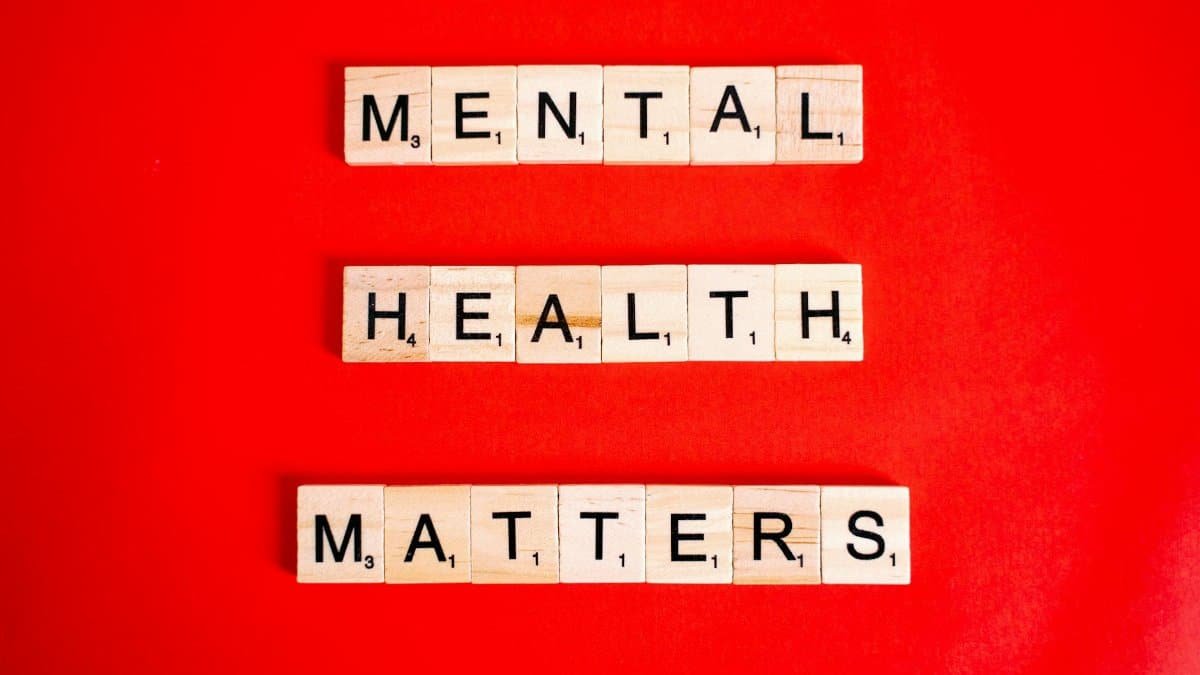
By February 3, 2026, grieving the living stands as the year’s defining mental health challenge. Rates climb amid broader societal pressures: remote work blurs family lines, therapy access expands awareness. The crisis manifests in anxiety, depression, and identity crises. Cutting off toxic influences aids recovery, but the interim grief taxes resources. U.S. mental health systems strain under unvoiced cases. Awareness grows slowly, with podcasts and forums amplifying voices. Still, the pain remains profoundly personal.
Societal Shifts Enabling Estrangement

U.S. culture evolves toward individualism. Traditional “honor thy parents” norms weaken against mental health advocacy. Social media exposes toxic dynamics publicly, normalizing no-contact stories. Younger generations prioritize therapy over endurance. Grieving the living reflects this pivot: health over harmony. Families fracture faster, but survivors report stronger boundaries elsewhere. The 2026 landscape favors self-care, challenging multigenerational loyalty. This shift, while painful, signals progress in addressing familial harm.
For deeper insights into family estrangement, see resources from the American Psychological Association. Psychology Today also covers the rising trend in family estrangement basics, aligning with current U.S. patterns.
Navigating the Grief Forward
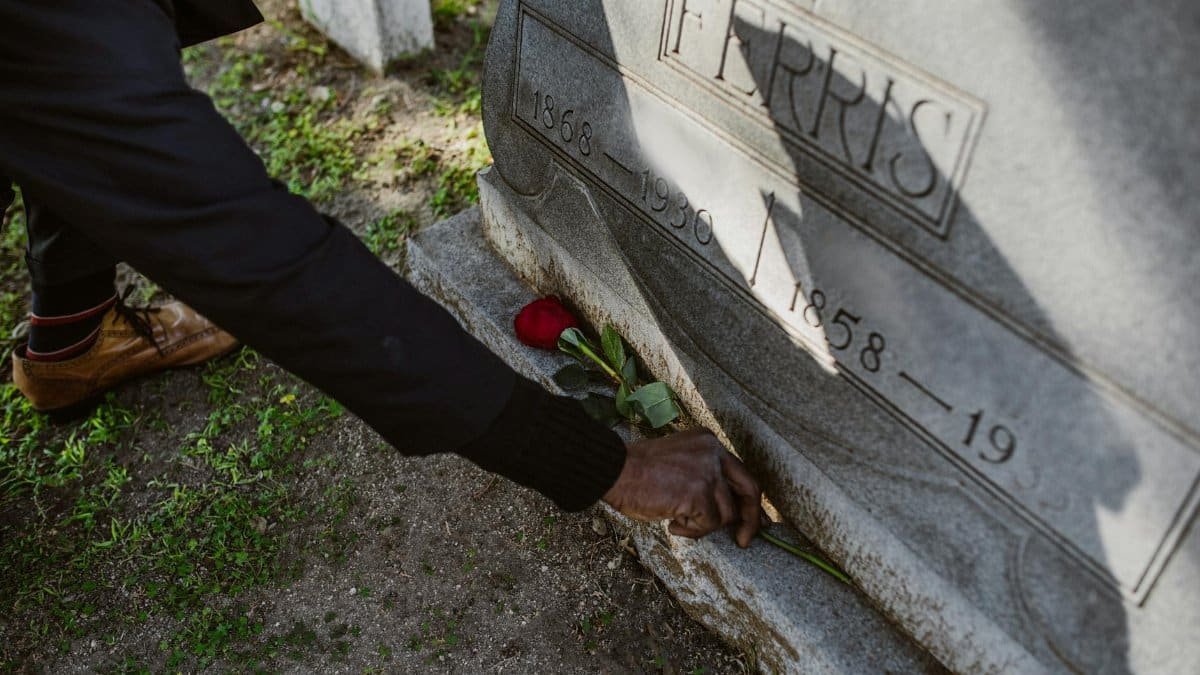
Moving through grieving the living requires time and tools. Journaling processes the loss. Therapy reframes family roles. New chosen families fill voids. Acceptance dawns: the cut-off protects future joy. In 2026’s crisis, resilience builds from acknowledgment. No return to toxicity; forward means redefined normalcy. This silent epidemic demands visibility to foster healing nationwide.