

In a stunning wildlife comeback, a gray wolf has been sighted in Los Angeles County for the first time in more than a century. Captured on trail cameras prowling through Angeles National Forest in February 2026, this lone wanderer—quickly dubbed the “gray wolf Los Angeles” phenomenon—has ignited excitement across the region. Wildlife officials swiftly confirmed the animal’s presence through detailed analysis of tracks and scat, marking what many are calling a natural reclamation of lost territory. The wolf is believed to have dispersed from packs farther north, a testament to the species’ resilience amid ongoing conservation efforts. While locals express thrill at the rare encounter, authorities urge caution to ensure safe coexistence. No issues with livestock have surfaced so far, and monitoring is underway to track this pioneering visitor’s journey.
A Historic Sighting After Over a Century

The appearance of a gray wolf in Los Angeles County shatters more than 100 years of absence for the species in the area. Angeles National Forest, a sprawling wilderness just north of the bustling metropolis, provided the unlikely stage for this event in February 2026. Such a sighting underscores the dynamic nature of wildlife recovery, where animals long thought vanished from southern landscapes suddenly reemerge. For residents and nature enthusiasts alike, this moment evokes a sense of wonder, reminding us how interconnected ecosystems can surprise even the most seasoned observers. As reported by Only Good News Daily, the discovery has sparked widespread interest in the potential for broader wolf repopulation in urban-adjacent wildlands.
Trail Cameras Capture the Elusive Lone Wolf
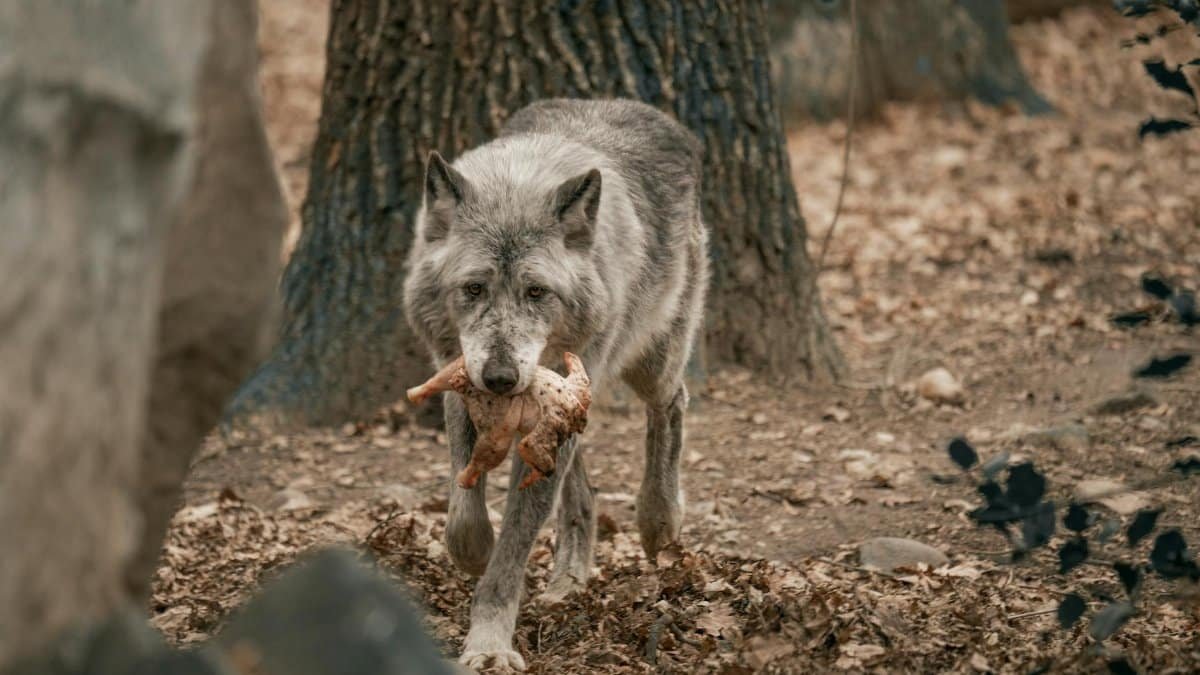
Trail cameras, strategically placed to monitor forest activity, inadvertently documented the gray wolf’s presence in Angeles National Forest. These motion-activated devices snapped images of the solitary animal moving stealthily through the underbrush, its gray coat blending seamlessly with the shadows of pine and oak. The footage offers a rare glimpse into the wolf’s behavior in unfamiliar terrain, far from the open expanses typically associated with the species. This technological serendipity not only confirmed the sighting but also provided invaluable data for researchers studying dispersal patterns. The “gray wolf Los Angeles” images have since circulated among wildlife circles, fueling discussions on how modern tools are revolutionizing field conservation.
Wildlife Officials Verify Through Tracks and Scat

Confirmation came swiftly from wildlife officials, who pored over physical evidence left behind by the intruder. Distinct paw tracks, unmistakable in their size and spacing, dotted the forest floor, while scat analysis revealed dietary clues consistent with a wolf’s carnivorous habits. These forensic techniques, honed over decades of field work, leave little room for doubt about the animal’s identity. The process highlights the meticulous science behind such validations, ensuring that reports of rare sightings withstand scrutiny. For the gray wolf Los Angeles event, this rigorous approach has solidified the story as a legitimate breakthrough rather than mere rumor.
Dispersal from Northern Packs: A Natural Journey
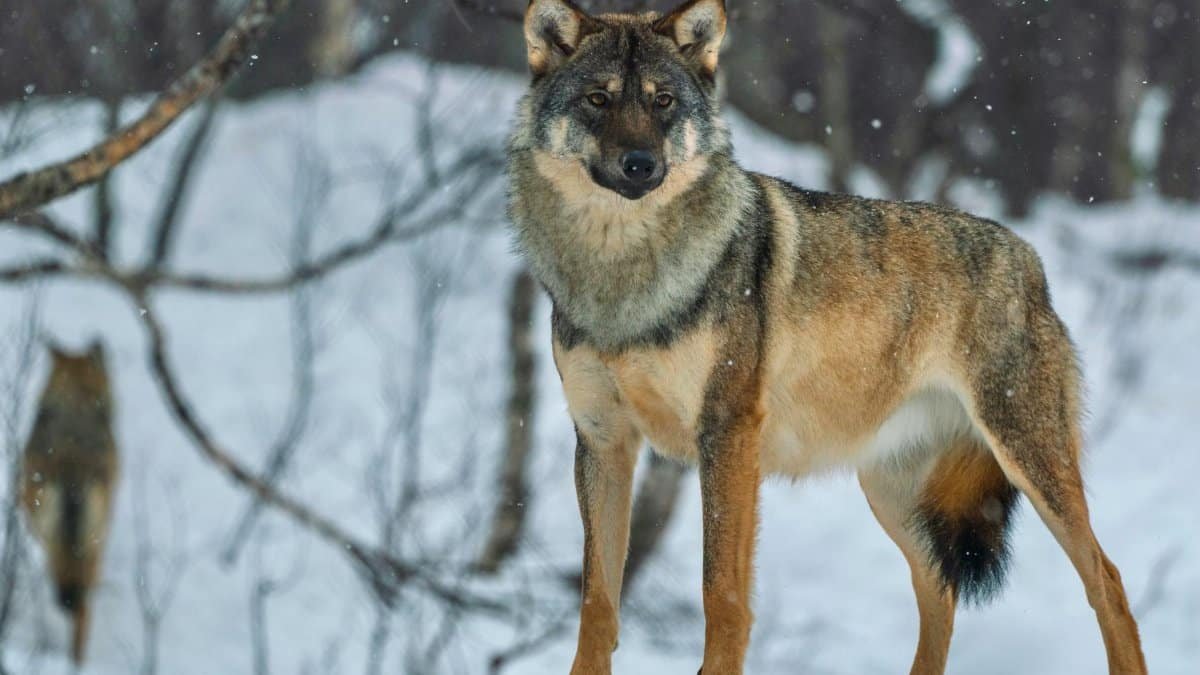
Experts surmise that the lone wolf dispersed from established packs in northern regions, embarking on a solitary quest for new territory. Gray wolves are renowned for such long-distance wanderings, with individuals often traveling vast distances—sometimes hundreds of miles—to avoid inbreeding and seek mates or unoccupied habitats, as evidenced in tracking studies from recovering populations like those in the northern Rockies. This behavior explains the animal’s sudden arrival in Angeles National Forest, bridging distant ecosystems through sheer perseverance. The “gray wolf Los Angeles” narrative thus fits into a larger pattern of gradual southward expansion, driven by instinct rather than human intervention.
Locals Thrilled Yet Mindful of Distance

News of the wolf rippled through local communities, eliciting a wave of thrill and pride. Hikers, campers, and residents who frequent Angeles National Forest expressed delight at sharing their backyard with such an iconic predator, viewing it as a sign of healthy wilderness rebounding. Social media buzzed with cautious excitement, as people shared tips on respectful observation. However, officials were quick to caution everyone to maintain a safe distance, emphasizing that human interference could stress the animal and disrupt its adaptation. This balanced response fosters a community ethos of stewardship, ensuring the gray wolf’s visit enhances rather than endangers local harmony.
A Milestone in Conservation Recovery
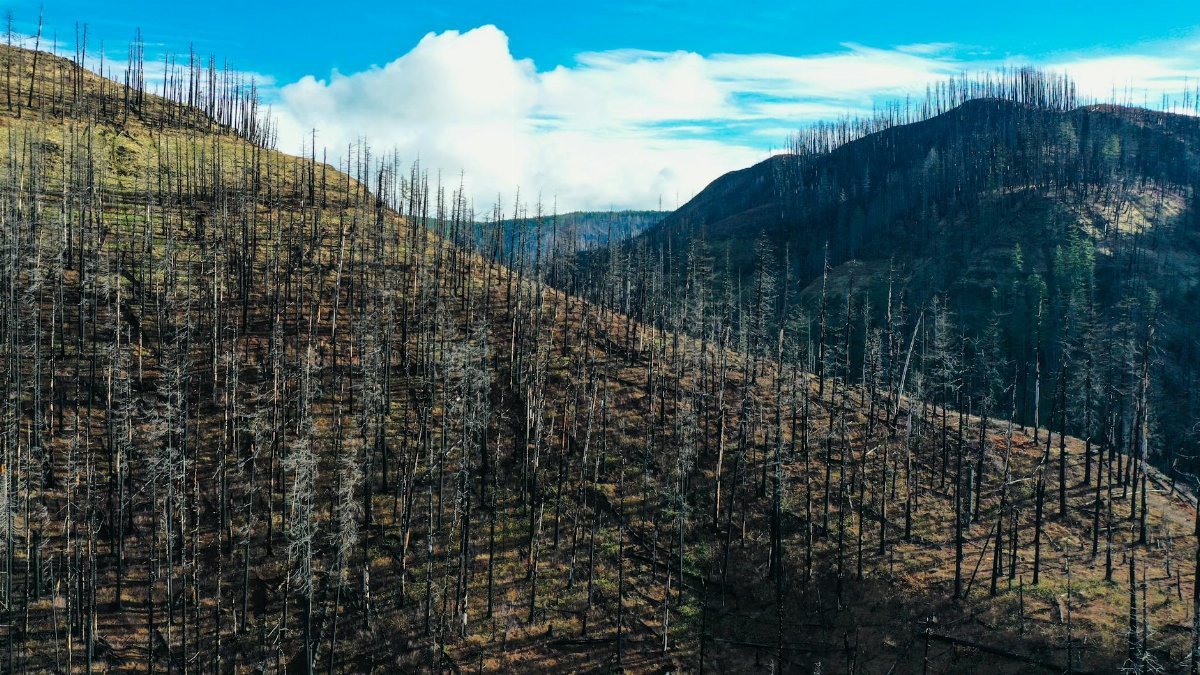
Conservationists hail the sighting as a pivotal milestone in gray wolf recovery efforts. After decades of focused protection and habitat restoration, such events signal that populations are not only stabilizing but expanding into historical ranges. The lone wolf’s presence in Los Angeles County symbolizes broader ecological healing, where apex predators play crucial roles in maintaining biodiversity by regulating prey and promoting healthier forests. This “gray wolf Los Angeles” moment stands as inspiration for ongoing work, demonstrating that perseverance in conservation yields tangible, awe-inspiring results even in densely populated vicinities.
No Livestock Issues: Signs of Peaceful Coexistence
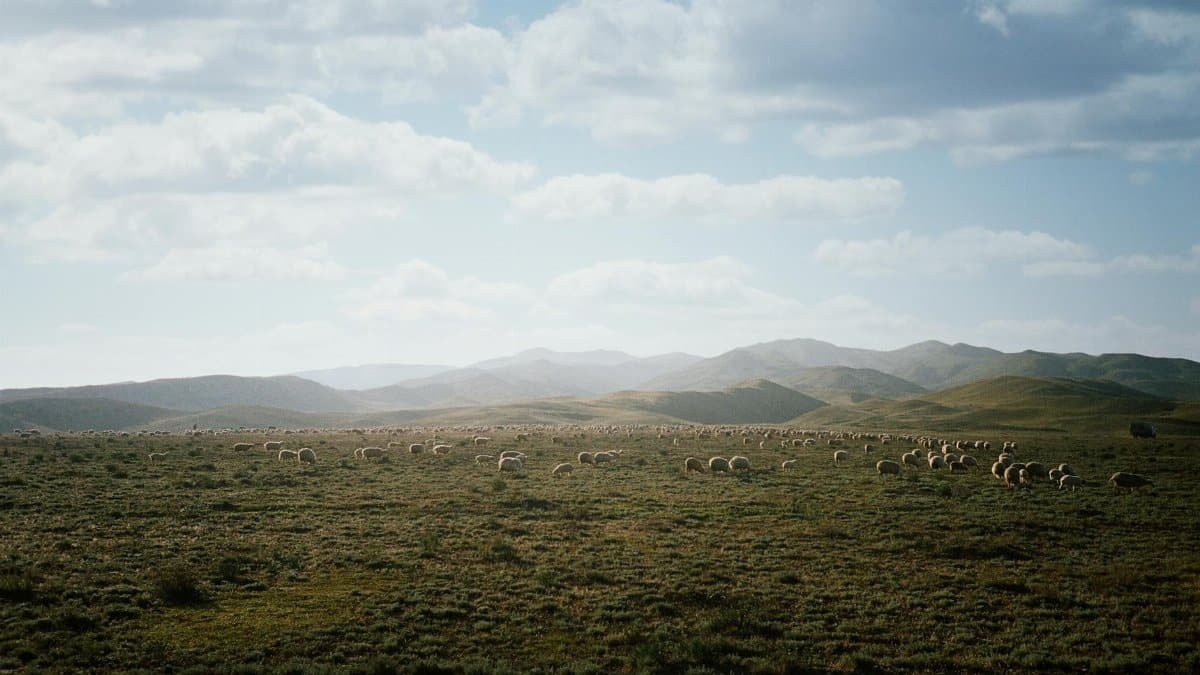
Reassuringly, no conflicts with livestock have been reported in the wake of the wolf’s appearance. This absence of depredation speaks volumes about the animal’s transient nature and the effectiveness of current land management practices. Ranchers and farmers in the vicinity remain vigilant, but the lack of incidents allows focus to shift toward celebration rather than confrontation. It bodes well for future encounters, suggesting that gray wolves can navigate human-modified landscapes without immediate friction, a key factor in their potential long-term return to southern California.
Ongoing Monitoring to Track the Wolf’s Path
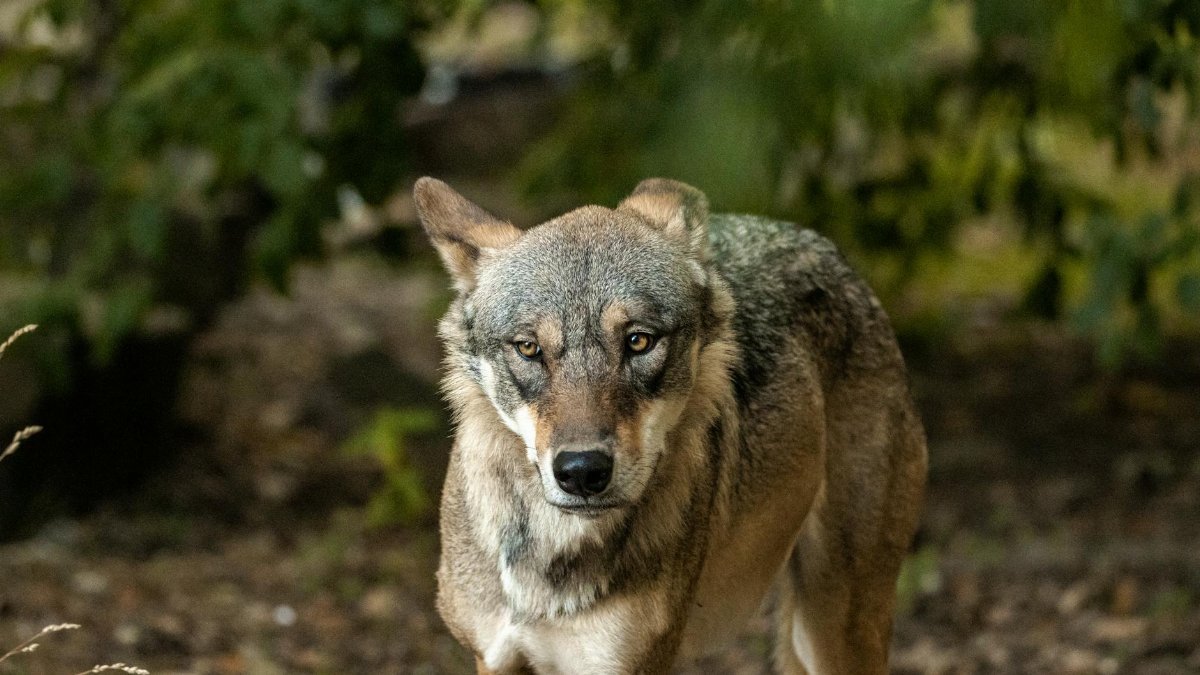
Wildlife teams have ramped up monitoring to follow the gray wolf’s movements, deploying additional cameras and conducting periodic surveys. This sustained vigilance aims to gather data on the animal’s health, habits, and possible interactions with local fauna, informing future management strategies. As the lone disperser charts its course through Angeles National Forest and beyond, these efforts ensure its safety while minimizing human-wildlife clashes. The “gray wolf Los Angeles” story continues to unfold, with each update promising deeper insights into one of nature’s most resilient comebacks.
Chris F. Weber is a veteran journalist who has contributed to Huffington Post and Bloomberg News, specializing in environmental and wildlife stories.