
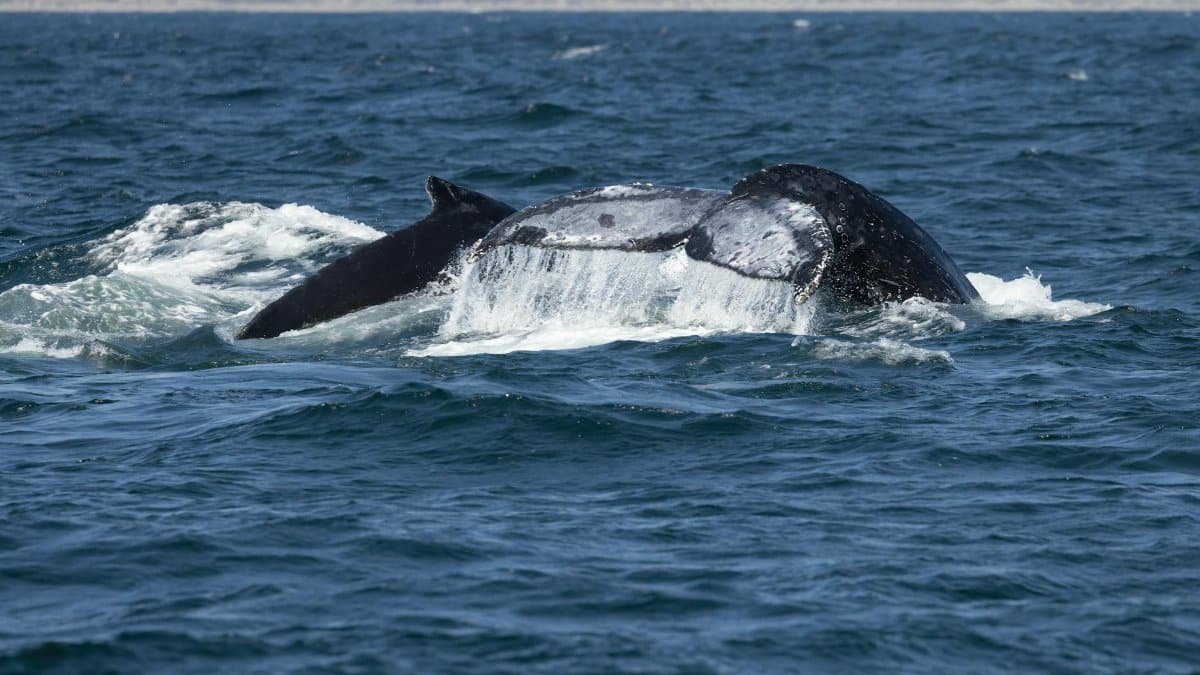
In the crisp waters off Northern California’s coast, gray whales are making their annual pilgrimage, a mesmerizing display of nature’s endurance that captivates onlookers from shorelines and boats alike. This February 2026, pods of these majestic creatures passed by in impressive numbers, first heading south toward warmer breeding grounds before looping back north in the spring. The gray whale migration California spectacle peaks in January for the southward trek and stretches from mid-February through May for the return, drawing whale-watchers eager for glimpses of spouts piercing the horizon and breaches that send sprays skyward. Thanks to targeted conservation, ship strikes have dwindled, allowing these gentle giants to thrive amid a positive population upswing.
The Southbound Surge: Winter’s First Wave

As winter grips the Pacific, gray whales embark on the initial leg of their epic journey, streaming past Northern California in February 2026 with purposeful grace. These southbound travelers, often seen in tight-knit pods, hug the coastline in a rhythm honed by millennia. Observers from Mendocino to Monterey have reported steady streams of the animals, their massive forms slicing through swells as they push toward Baja California’s sheltered lagoons. This phase of the gray whale migration California sets the tone for the season, a prelude to the fuller spectacle that unfolds in the months ahead. Whale-watching boats, bobbing gently offshore, position themselves ideally to track these groups, offering passengers front-row seats to the migration’s raw power.
January Peaks: The Early Arrivals

The frenzy truly ignites in January, when the first major pulses of gray whales surge southward along the California shoreline. This peak timing aligns perfectly with favorable ocean conditions, drawing the whales close enough for land-based spotters to make out their distinctive profiles against the waves. According to a report from Defenders of Wildlife, these early arrivals signal the migration’s kickoff, with pods numbering in the dozens visible on clear days. For locals and visitors, it’s a ritual of patience and reward—scanning the horizon until a telltale spout erupts, confirming the gray whale migration California’s underway in full force. The sight reinforces the whales’ resilience, navigating vast distances with unerring instinct.
Spring’s Northbound Return: Mid-February to May

Come mid-February, the dynamic shifts as northbound gray whales reappear, calves in tow after their southern sojourn. This return leg, extending through May, mirrors the outbound journey but brims with new life—mothers shepherding young ones northward to Arctic feeding grounds. Sightings intensify along Northern California’s rugged coast, where the whales’ path brings them tantalizingly near. Whale-watching outfits thrive during this window, ferrying enthusiasts to prime vantage points. The prolonged presence from mid-February onward allows repeated viewings, turning fleeting encounters into extended celebrations of the gray whale migration California phenomenon.
Whale-Watching Boats: Eyes on the Pods
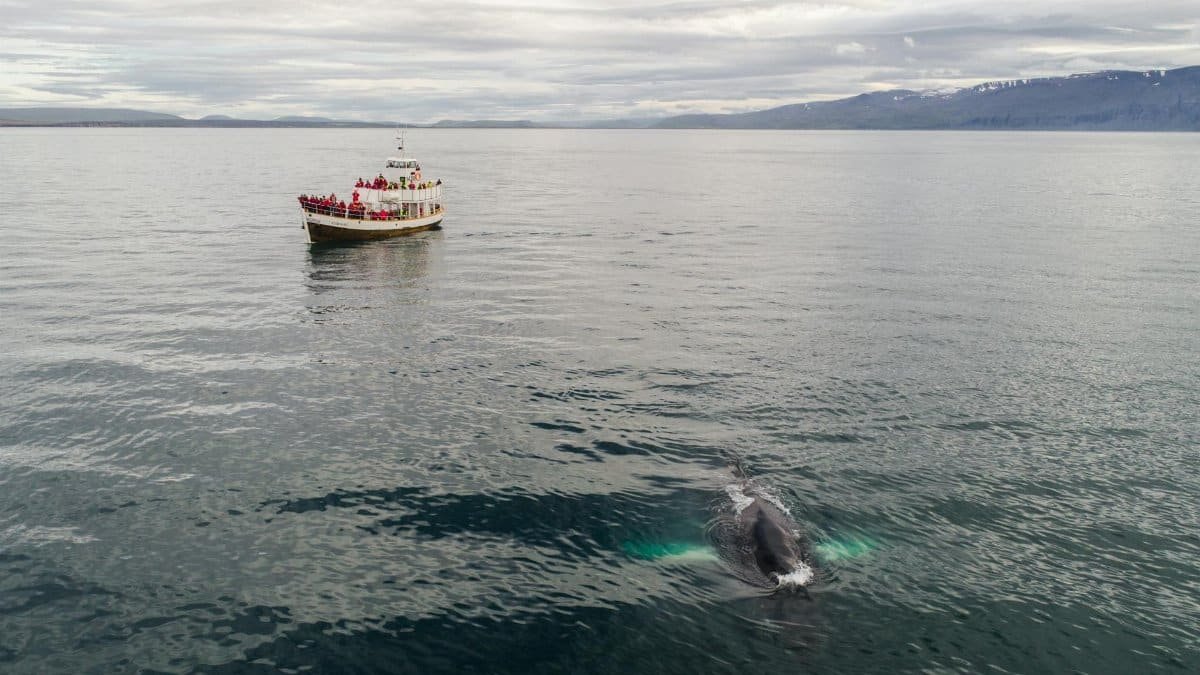
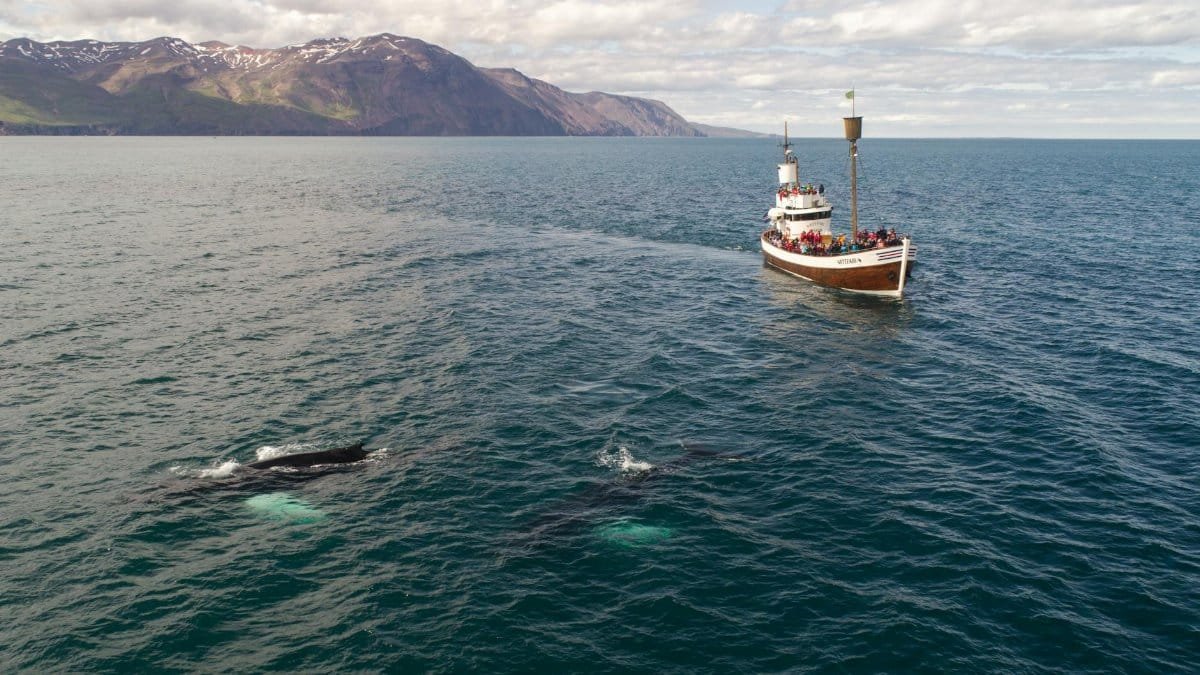
Nothing quite matches the thrill of boarding a whale-watching boat amid the gray whale migration California. These vessels, departing from harbors like Bodega Bay and Half Moon Bay, track pods with expert captains who read the sea’s subtle cues. In February 2026, operators noted heightened activity, with groups of whales surfacing in coordinated patterns. Passengers lean over rails, binoculars trained, as the boats shadow the migrants without intrusion. This hands-on approach has popularized the event, blending adventure with education and ensuring the whales’ passage remains a highlight for families and nature lovers alike.
Spouts and Breaches: Nature’s Dramatic Displays
What elevates the gray whale migration California to iconic status are the whales’ acrobatic flourishes—towering spouts that mist the air like geysers and breaches where 40-ton bodies launch skyward before crashing back with thunderous splashes. Viewers in 2026 described these moments as electric, the spouts often the first giveaway, followed by fluke slaps or full leaps. These behaviors, glimpsed from boats or cliffs, offer intimate insights into the whales’ vitality. As reported by Defenders of Wildlife, such displays dotted the February passage, delighting crowds and underscoring the migration’s theatrical allure.
Conservation Wins: Fewer Ship Strikes
Behind the joyous sightings lies a story of stewardship. Conservation measures have sharply curbed ship strikes, a once-pervasive threat to gray whales navigating busy coastal lanes. Slower speeds for vessels, real-time reporting, and protected corridors have proven effective, allowing safer transits past Northern California. This progress, evident in the smooth 2026 migrations, stems from collaborative efforts among agencies, nonprofits, and shipping firms. For the whales, it means fewer interruptions; for observers, more reliable encounters during peaks in January and spring.
A Positive Population Trend

Optimism defines the current era of gray whale migration California, buoyed by a clear positive population trend. Numbers have stabilized and grown, reflecting successful recovery from historical pressures. This upward trajectory, tracked through annual surveys, promises sustained spectacles along the coast. In 2026’s February flyby and beyond, the robust pods signal health—mothers with sturdy calves, elders leading the way. Blended seamlessly with long-term data from NOAA, this trend highlights how targeted protections foster abundance, ensuring future generations witness the same wonders.
Why the Migration Captivates Us
The gray whale migration California endures as a touchstone of wild beauty, bridging human curiosity with oceanic mysteries. From January’s vanguard to May’s lingering farewells, it reminds us of nature’s grand cycles. Whale-watchers, enchanted by spouts and breaches, leave with stories that echo across dinner tables and social feeds. Conservation’s role amplifies the narrative, turning potential tragedy into triumph. As pods glide past Northern California year after year, they invite reflection on our shared planet—fragile, fierce, and full of possibility.
Tips for Your Whale-Watching Adventure
Eager to join the gray whale migration California? Time your trip for January peaks or the mid-February to May window, when pods peak offshore. Book with reputable whale-watching boats for ethical viewing—those adhering to no-approach zones. Dress in layers against coastal chill, pack binoculars, and scan for spouts at dawn or dusk. Shore spots like Point Reyes offer free vistas, while boats provide immersion. Respect the whales’ space, and celebrate the conservation that keeps this ritual alive for all.