
It began as an ordinary spring day along the Willapa River in Washington state. Then came reports of something extraordinary: a gray whale swimming where no whale should be. This gray whale washington river phenomenon quickly drew crowds to the banks, their faces a mix of wonder and worry as the massive creature pushed upstream. For more than a week, the whale known as Willapa Willy captured the attention of the Pacific Northwest before his journey came to a sorrowful end. His death has prompted not only scientific inquiry but also deeper conversations about our connection to the natural world and what such rare events might signify. In an era when environmental changes are reshaping habitats, the appearance of this ocean giant in a freshwater river system invites us to pause and consider larger questions about balance and survival.
Willapa Willy measured nearly 40 feet in length and was estimated to weigh more than 20 tons. His presence so far from the sea created an immediate challenge for wildlife officials who worked around the clock to assess his health and find ways to encourage his return to the ocean. Yet as days passed it became clear that the whale was in distress.
The Path That Led Inland
The gray whale washington river trek began when the animal was first spotted near the river mouth. What followed was a slow but determined movement against the current. Observers noted the whale brushing against riverbanks and struggling in shallower waters. Such inland journeys are extremely uncommon for gray whales which typically avoid confined spaces. According to data from the National Oceanic and Atmospheric Administration only a handful of similar incidents have been recorded in the past century. Researchers at NOAA have documented these events.
This particular route took the whale through areas rich with history and natural beauty. The Willapa River winds through forests and wetlands that have sustained local communities for generations. As news spread people gathered at safe distances to catch a glimpse. Some saw it as a once in a lifetime event while others felt a sense of unease about what it might mean for the delicate systems that support all life in the region.
Community Voices And Emotional Responses

Local residents expressed a range of emotions upon learning about the stranded whale. Many described feelings of awe at the sheer size and grace of the creature so close to their homes. Others worried about the whale’s suffering and what his journey could indicate regarding the health of our oceans. One longtime fisherman recalled similar strandings in years past but noted that this one felt different. The collective experience brought people together in ways that transcended everyday routines and sparked spontaneous gatherings along the shoreline.
Volunteers from nearby towns offered assistance in any way possible. They provided updates through social media and community meetings. This outpouring of concern highlighted a growing public interest in wildlife protection. It also raised awareness about the delicate relationship between human activities and marine ecosystems that sustain both whales and the communities that depend on healthy rivers and coasts.
Indigenous Knowledge Sheds Light On The Event

For Native American tribes in the region whales hold profound cultural and spiritual importance. The Quinault and Chinook peoples have long viewed these animals as teachers and symbols of strength. Tribal elders suggested that the gray whale washington river visit might serve as a reminder of our responsibilities to the earth. Traditional stories tell of whales as messengers from the ocean realm appearing during times of significant change or transition.
Consultations with tribal leaders helped inform the response efforts. Their perspective emphasized respect for the whale and the need to learn from rather than simply react to the situation. This collaboration between scientific and traditional knowledge offered a more holistic approach to understanding the incident and its place within larger patterns of environmental transformation that have been observed for centuries.
The Spiritual Dimensions Of Whale Encounters
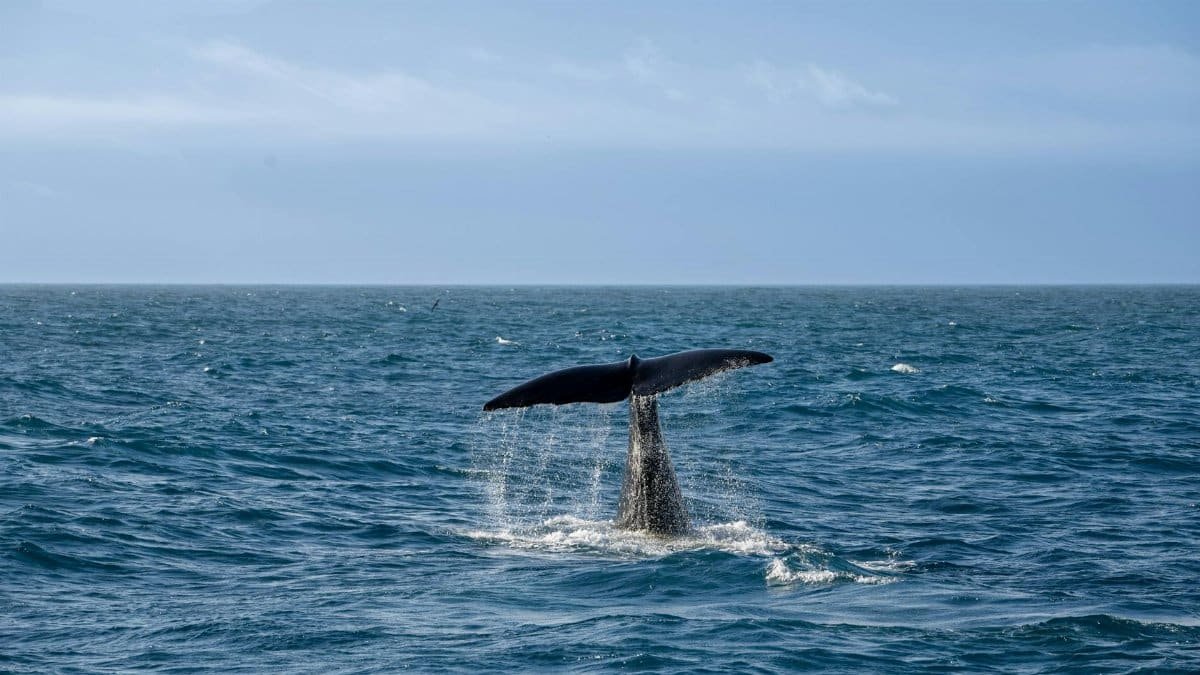
Across various belief systems whales represent wisdom emotional depth and connection to forces larger than ourselves. In spiritual communities the appearance of a gray whale in an unexpected place often prompts reflection on personal and collective journeys. Some interpret such events as calls to realign with natural rhythms or to pay attention to aspects of life that have been neglected amid modern distractions. The death of Willapa Willy has inspired meditations and discussions in forums dedicated to nature based spirituality.
Authors and thinkers in the field of ecospirituality have weighed in through essays and talks. They point to increasing instances of unusual animal behavior as signals from the planet itself. These viewpoints add layers of meaning to what might otherwise be seen as a purely biological occurrence inviting readers to consider how the natural world communicates with those willing to listen.
Navigational Mysteries And Possible Explanations

Scientists are still piecing together why this whale entered the river. Potential factors include illness injury from ship strikes or confusion caused by underwater noise pollution. Gray whales rely on a combination of magnetic fields memory and perhaps even celestial cues to navigate vast distances. When these systems falter unexpected routes can result. A study published in Marine Ecology Progress Series examined similar cases and found correlations with certain environmental conditions. The full research is available here.
Advanced tracking technology allowed researchers to follow the whale’s movements in real time. Data collected will contribute to broader understandings of how these animals adapt or fail to adapt in a changing world. Each new piece of information brings marine biologists closer to predicting and perhaps preventing future strandings along coastal rivers.
Uncovering The Cause Of Death

When the whale was finally found deceased a team of veterinarians and marine biologists performed a thorough examination. The necropsy revealed signs of malnutrition and possible infection. There was no evidence of direct human caused trauma such as entanglement in fishing gear. Instead the stresses of navigating a river environment appeared to have taken a toll on the already compromised animal.
These findings align with trends observed in other stranding events around the Pacific. As ocean temperatures shift and prey distributions change gray whales face new challenges that test their remarkable adaptability. This case underscores the vulnerability of even large seemingly resilient species and the urgent need for continued monitoring of their health across all stages of migration.
Environmental Context And Larger Patterns

The gray whale washington river incident does not exist in isolation. It occurs amid wider concerns about climate impacts on marine mammals. Melting Arctic ice altered currents and declining food sources all play roles in changing migration patterns. Conservation groups have called for stronger protections along coastal and riverine areas to create safer corridors for these ancient travelers.
Efforts to reduce ocean noise limit pollution and establish marine protected zones gain renewed urgency in light of this event. Public engagement remains crucial for driving policy changes that can make a difference for future generations of whales and the ecosystems they inhabit. Small actions by individuals and communities can accumulate into meaningful protection when sustained over time.
Learning From Willapa Willy

The story of this whale offers valuable lessons about humility and interconnectedness. It reminds us that even the largest creatures can become vulnerable when systems fall out of balance. Schools in the area have incorporated the event into their curricula using it as a teaching moment about biology ecology and respect for nature. Children and adults alike have drawn pictures written poems and shared stories inspired by the whale’s unexpected journey.
In spiritual circles the journey is seen as a metaphor for the soul’s path through unknown waters toward unknown destinations. The eventual passing invites contemplation on mortality and the cycles of existence. Such reflections can lead to positive actions in daily life and greater advocacy for environmental causes that honor the memory of animals like Willapa Willy.
Hope On The Horizon For Marine Conservation
Despite the sadness surrounding the loss of Willapa Willy there is reason for optimism. Gray whale populations have rebounded from near extinction thanks to international protections implemented decades ago. Continued vigilance and adaptive management strategies can help ensure their survival into the future through careful science and community involvement.
Researchers volunteers and community members who participated in this episode have emerged with renewed dedication. Their work honors the memory of the whale and contributes to a deeper understanding of how humans and wildlife can coexist more harmoniously. As we face uncertain times stories like this one encourage us to listen more closely to the messages from the natural world around us.
A Lasting Impression On The Human Spirit

The gray whale washington river saga will likely linger in the minds of those who followed it. It touched on universal themes of exploration struggle and the search for meaning in an increasingly disconnected age. By blending scientific fact with spiritual insight the event provided a rare opportunity for collective introspection that reached far beyond the banks of the Willapa River.
Moving forward it is essential to carry the lessons learned into practical steps for conservation and cultural renewal. Only through such commitment can we hope to prevent similar tragedies and foster an environment where both whales and humans thrive. The memory of Willapa Willy serves as a powerful catalyst for change that resonates across generations and belief systems.