

In a pivotal push to address Maine’s deepening skilled labor shortage, Governor Janet Mills has unveiled a $10 million proposal to permanently establish a free community college program for eligible students. Dubbed the Maine free community college initiative, the plan is gaining significant traction as it enters legislative debates in March 2026. By dismantling financial obstacles that often deter young Mainers from pursuing higher education, the administration aims to cultivate a robust workforce pipeline. Proponents argue that such investments in vocational training are not just timely but essential for the long-term vitality of the state’s economy, where industries from manufacturing to healthcare are scrambling for qualified talent.
The Genesis of the Proposal

Governor Mills’ initiative emerges from a recognition that Maine’s economy is at a crossroads. For years, the state has grappled with a persistent gap between available jobs and workers equipped to fill them. This $10 million commitment represents a strategic pivot toward accessibility in education, transforming what was once a temporary measure into a cornerstone policy. As reported by The Maine Wire, the proposal builds on earlier pilots but marks a decisive step toward permanence, signaling the governor’s confidence in education as the antidote to workforce woes.
The timing feels urgent. With demographic shifts leaving fewer traditional college-age students and an aging population exiting the job market, Maine cannot afford to leave potential talent on the sidelines. Mills’ office frames this as a proactive investment, one that prioritizes practical skills over four-year degrees, aligning directly with employer demands.
Core Components of the Maine Free Community College Plan

At its heart, the program targets eligible Maine students—typically recent high school graduates or adults seeking career pivots—who enroll in community college courses. The $10 million infusion would cover tuition and fees, making two-year degrees or certificates truly free for those who qualify. This sweeping approach extends beyond basic academics to emphasize vocational tracks in high-demand fields like welding, nursing assistance, and information technology.
Administrators envision streamlined enrollment processes to minimize bureaucracy, ensuring that financial need doesn’t become a barrier. It’s a model that echoes successful pilots elsewhere, where similar no-cost programs have boosted completion rates by making education feel attainable rather than aspirational.
Combating the Skilled Labor Shortage

Maine’s labor market tells a stark story: thousands of jobs go unfilled each month due to a lack of skilled workers. From shipyards in Bath to hospitals in Portland, employers report chronic shortages that hamstring growth. The Maine free community college program directly confronts this by funneling talent into vocational programs tailored to these gaps.
The administration’s pitch is straightforward: remove the upfront costs, and more students will train for the roles that keep the economy humming. This isn’t abstract policy—it’s a response to real-world pressures, where a single welder shortage can delay multimillion-dollar projects. By prioritizing hands-on education, the initiative promises to plug these holes efficiently, fostering a self-sustaining cycle of employment and opportunity.
A Permanent Fixture, Not a Pilot

What sets this apart is the push for permanence. Past efforts in Maine and other states have often been time-limited experiments, leaving uncertainty in their wake. Governor Mills’ $10 million plan seeks to enshrine the Maine free community college benefit into state law, providing students and colleges with the stability to plan ahead.
This longevity matters. Temporary programs can spur enrollment spikes, but they risk drop-offs once funding lapses. A locked-in commitment reassures families that the pathway to a skilled trade won’t vanish mid-journey, encouraging bolder career choices among high schoolers eyeing community colleges over distant universities.
Navigating the Legislative Landscape
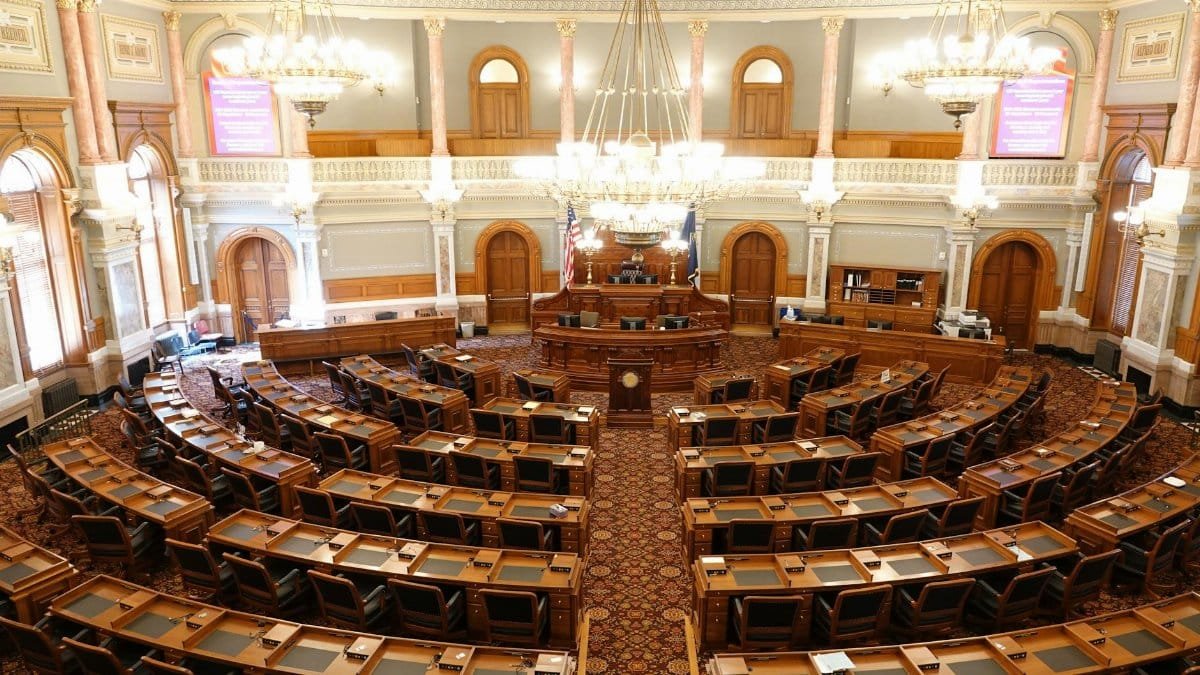
As of March 2026, the proposal is weaving through committees in the Maine Legislature, where lawmakers from both parties are weighing its merits. Debates center on funding sources—likely drawn from general revenues or targeted surpluses—and potential expansions. The administration counters skepticism by highlighting return-on-investment data: educated workers pay more taxes, start businesses, and reduce reliance on social services.
Yet challenges loom. Critics may question the $10 million price tag amid competing priorities like infrastructure. Still, the momentum suggests broad appeal, with vocational advocates and business lobbies lining up in support. If passed, implementation could begin as early as the next academic year, a swift timeline underscoring the urgency.
The Power of Vocational Education
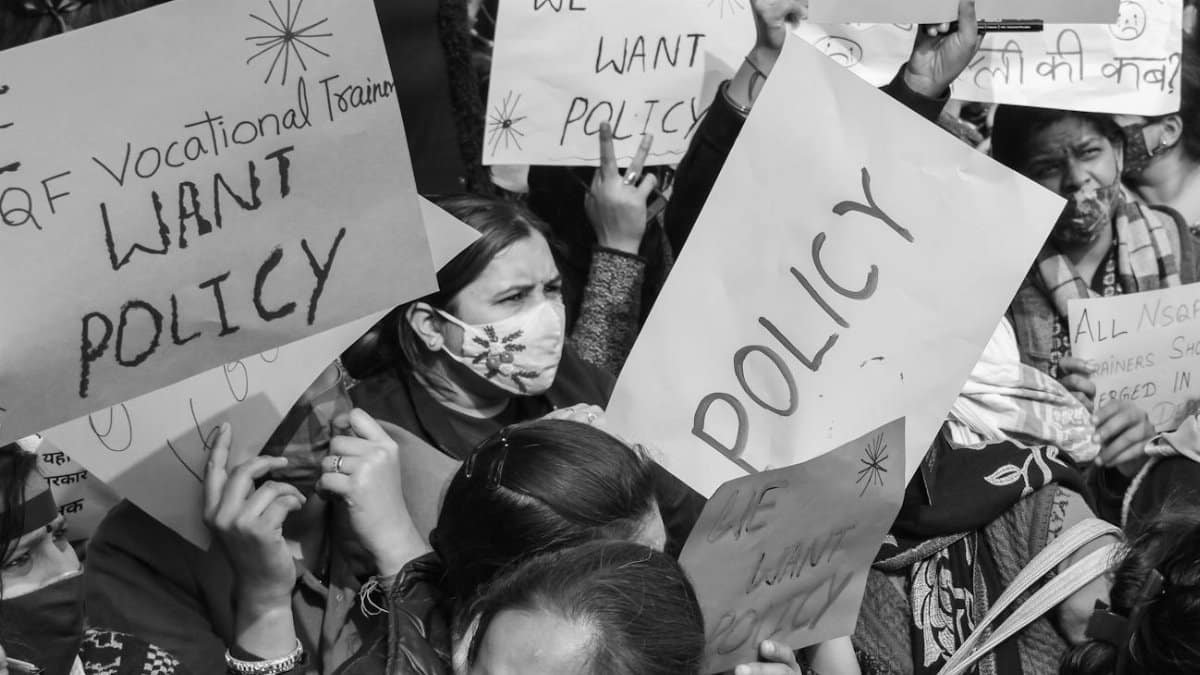
Vocational education isn’t a second-tier option; it’s the engine of Maine’s working-class backbone. Mills’ team argues that investments here yield outsized economic dividends, training plumbers, electricians, and machinists who anchor local communities. According to the Lumina Foundation, states with strong community college systems see workforce participation rates climb by up to 10 percent in targeted trades—a trend this program could amplify in Maine.
By focusing on these programs, the initiative sidesteps the debt traps of traditional college paths. Graduates emerge not just employable, but debt-free and ready to contribute immediately, bolstering industries strained by retirements and outmigration.
Breaking Down Financial Barriers

Cost has long been the silent killer of educational dreams in Maine. Even modest community college tuition—often $4,000 or more annually—deters low-income families, perpetuating cycles of underemployment. The free community college model flips this script, covering essentials so students can focus on learning rather than loans.
Eligibility criteria, while not yet finalized, are expected to prioritize Maine residents with financial need, potentially including GPA minimums or residency requirements. This targeted aid ensures resources reach those who need them most, leveling the playing field in a state where rural distances and family obligations already complicate access.
Sustaining Maine’s Economic Future

Ultimately, this is about Maine’s endurance. The administration posits that without such interventions, the skilled labor shortage will erode competitiveness, driving jobs to neighboring states. Vocational investments, they say, are the linchpin for sustaining growth in tourism, forestry, renewables, and beyond.
Imagine a Maine where every eligible student can access free community college without hesitation—a workforce not just larger, but nimbler and more innovative. As legislative talks progress, the stakes feel profoundly local: a thriving economy that keeps families rooted in the state they call home.