
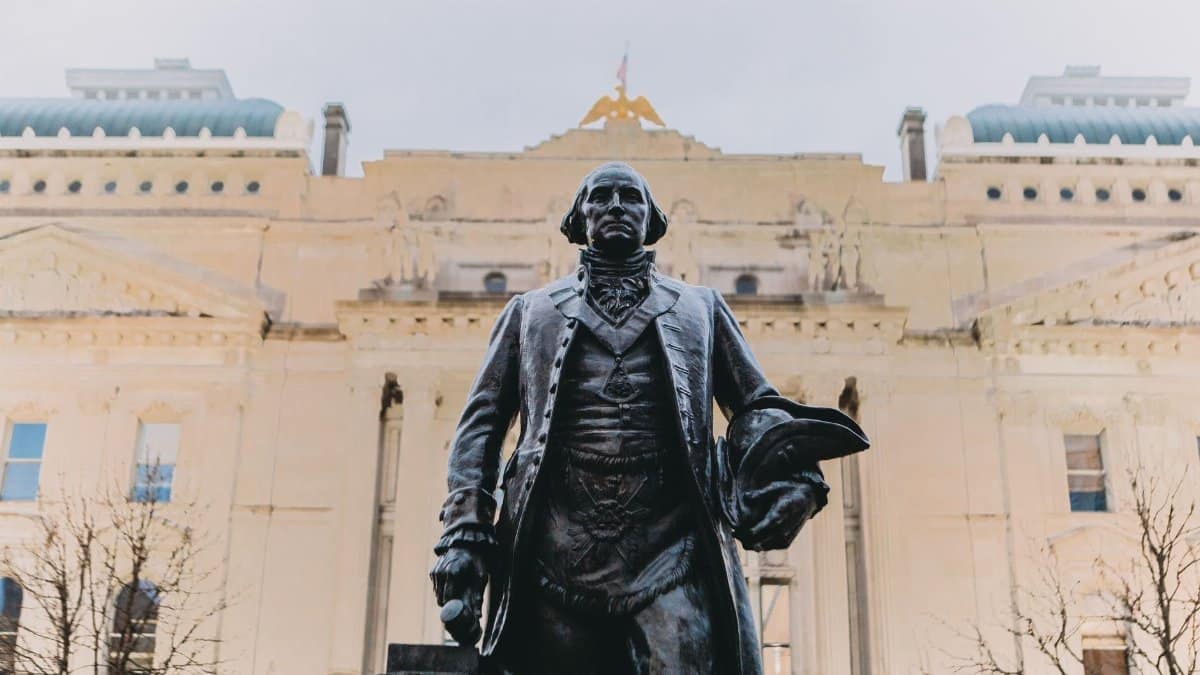
In the realm of state governance few actions carry as much weight as the selection of judges who will interpret laws for years to come. Recently Governor Wes Moore took steps that highlight his approach to filling judicial roles in key Maryland areas. The focus on Moore judicial appointments reflects broader efforts to strengthen the court system in Prince Georges and Washington counties. These moves come at a time when local courts face growing caseloads and shifting community needs.
Background on the Recent Selections

Governor Moore named six attorneys to District Court vacancies across two counties on July 27 2026. The choices drew attention from legal observers and local leaders alike. Each appointee brings a record of service in public defense or private practice. Observers note that such choices often shape how everyday disputes reach resolution in district level proceedings.
Profiles of the Appointed Attorneys

The new judges include individuals with experience in family law and criminal matters. One has worked extensively with community mediation programs. Another spent time as a prosecutor handling cases in rural settings. Their combined backgrounds suggest an intent to balance perspectives on the bench.
Regional Needs in Prince Georges County

Prince Georges County courts manage a high volume of traffic and housing related matters. The additions aim to address delays that have affected residents seeking timely hearings. Local bar associations have welcomed the support while calling for continued investment in support staff.
Developments in Washington County
Washington County presents different challenges with its mix of agricultural and small business disputes. The judicial appointments there target gaps in handling civil claims efficiently. Community leaders express hope that fresh faces will foster greater trust in the process.
Broader Context of State Judicial Strategy
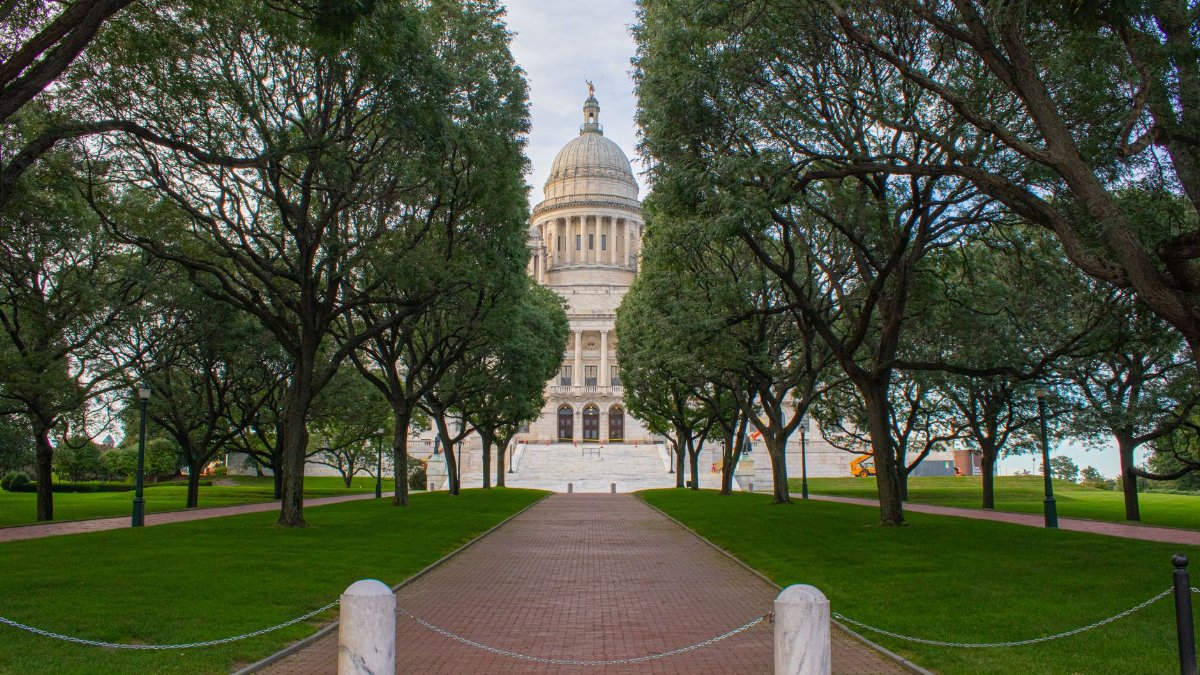
Moore judicial appointments fit into a pattern seen in other states where governors prioritize diversity of experience. Analysts point to efforts to reduce backlogs without expanding the overall number of positions. This approach aligns with trends toward targeted rather than expansive court reforms.
Public and Professional Reactions

Reactions from advocacy groups range from cautious approval to calls for more transparency in the vetting process. Some praise the emphasis on practical experience over academic credentials. Others question whether the selections sufficiently address longstanding concerns about access to representation.
Potential Effects on Case Outcomes

Changes in judicial personnel can influence how statutes are applied in routine matters. Early indicators suggest a focus on alternative resolutions where appropriate. Legal scholars caution that measurable shifts may take several years to appear in published data.
Looking Ahead to Future Appointments

State officials have signaled additional Moore judicial appointments may follow as vacancies arise elsewhere. Planning documents emphasize ongoing recruitment from a wide pool of candidates. The goal remains a court system responsive to evolving demographic and economic conditions across Maryland.