
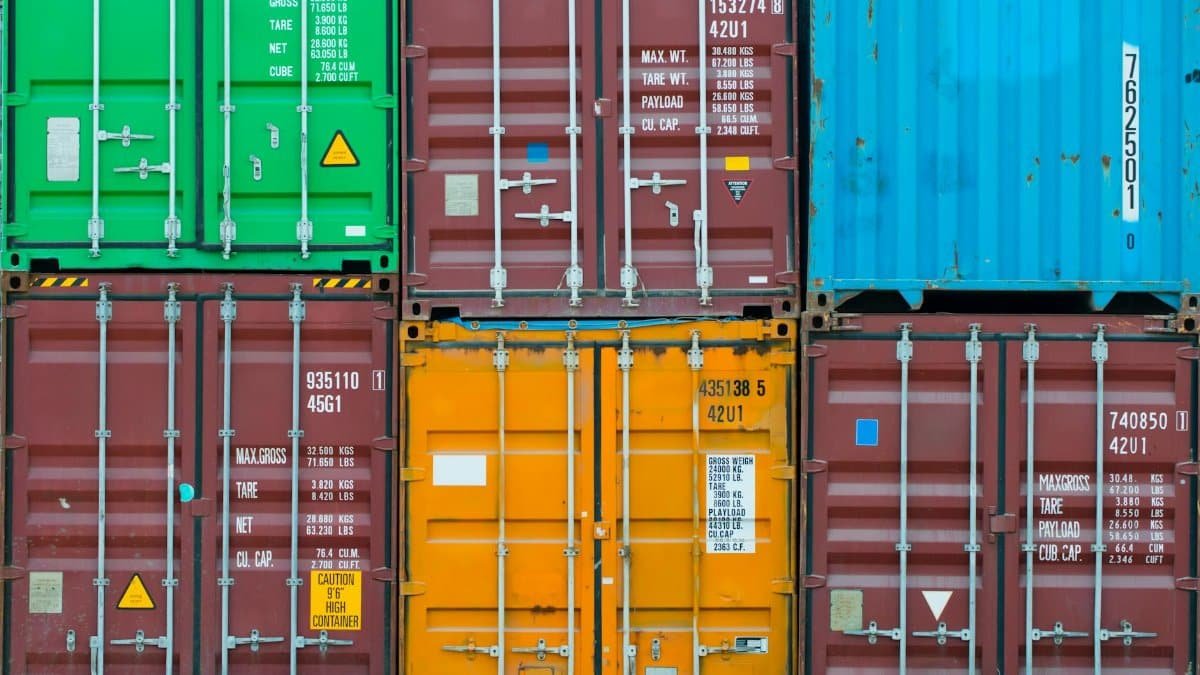
In the predawn haze off the Strait of Hormuz, a Maersk container ship idles, its engines humming low as bunker fuel prices tick up another 12 percent overnight. Captains like these are no strangers to volatility, but this surge feels different—tied to escalating tensions in the Iran conflict that have choked key oil routes and sent marine fuel costs spiraling 40 percent in weeks. Global shipping lines, from Mediterranean Shipping Company to Hapag-Lloyd, have responded by rolling out emergency bunker surcharges, passing the pain directly to cargo owners and, inevitably, consumers worldwide. These fees, once rare, now blanket trade lanes from Asia to Europe, raising questions about the fragility of the supply chain in an era of geopolitical flashpoints.
What Drives Emergency Bunker Surcharges?

Emergency bunker surcharges emerge when fuel costs—bunker fuel being the heavy oil that powers massive vessels—spike beyond what carriers can absorb. Unlike standard adjustments tied to market indices like the Baltic Exchange, these are ad hoc measures activated during crises. The International Maritime Organization allows them, but carriers must justify them transparently. In this case, the trigger is clear: Iran’s military posturing has disrupted 20 percent of global oil flows through the strait, per recent U.S. Energy Information Administration data. Lines calculate surcharges based on voyage distance and fuel burn rates, often adding $200 to $500 per container on transpacific routes.
Iran Conflict: The Oil Chokepoint Catalyst
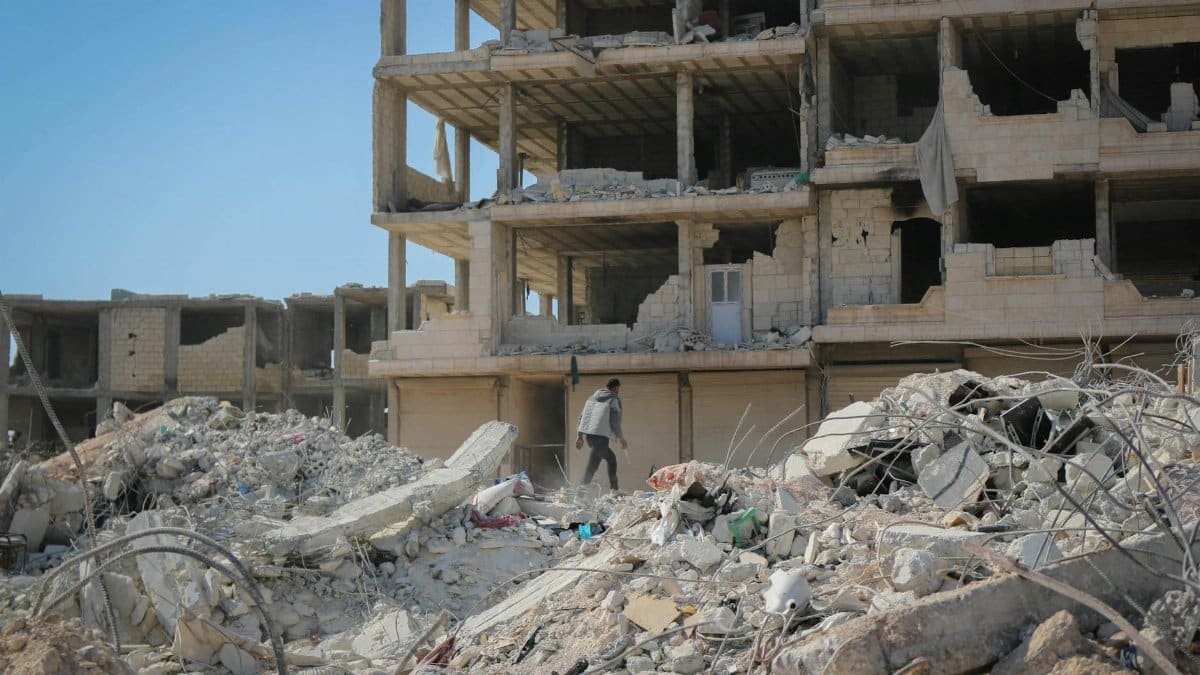
The current crisis traces to mid-February drone strikes attributed to Iranian proxies on Saudi oil facilities, followed by retaliatory naval patrols. Satellite imagery from the European Maritime Safety Agency shows tanker traffic down 35 percent in the Persian Gulf. Brent crude, a benchmark for bunker refining, jumped from $75 to $105 per barrel. Shipping executives describe it as a “perfect storm,” where refinery lags amplify raw supply fears. For context, a 2021 report from Drewry Maritime Research (https://www.drewry.co.uk/maritime-research) noted similar patterns during Yemen Houthi attacks, underscoring how regional wars amplify fuel volatility.
Major Carriers Act Swiftly

Mediterranean Shipping Company, the world’s largest by capacity, announced its surcharge first, effective March 1, at $450 per TEU for Asia-Europe voyages. Hapag-Lloyd followed with a tiered structure: $300 for under 5,000 nautical miles, scaling to $800. Maersk and CMA CGM cited “unprecedented bunker escalation” in customer notices, while ONE and Evergreen imposed flat fees averaging $350. Evergreen’s filing, available via the Journal of Commerce (https://www.joc.com/), details projections of $1.2 billion in added costs quarterly if tensions persist. Smaller feeders in the Red Sea face even steeper hits, up to 15 percent of freight rates.
Fuel Economics Under the Microscope

Bunker fuel, a low-grade residue from crude distillation, accounts for 50 percent of a container ship’s operating costs on long hauls. Very Low Sulfur Fuel Oil (VLSFO), mandated since 2020 IMO regulations, trades at a premium during shortages. Current Singapore bunker prices hover at $950 per metric ton, versus $650 in January—a 46 percent leap. Traders at Platts analytics blame not just Iran, but speculative hedging by refiners. A Bunker Index analysis (https://www.bunkerindex.com/) forecasts stabilization only if OPEC+ ramps output, a move Saudi Arabia has hinted at but not committed to.
Trade Lanes Hit Hardest
Transpacific and Asia-Europe routes bear the brunt, with surcharges inflating landed costs by 5-8 percent. Electronics from Shenzhen to Los Angeles now carry an extra $400 per container, per Freightos data. The Suez Canal, already strained, sees compounded effects as carriers reroute around Africa, burning 20 percent more fuel. Intra-Asia trades escape lighter, but Indian Ocean lines like PIL report 25 percent rate hikes. Global container spot rates, tracked by the Shanghai Containerized Freight Index, have climbed 22 percent since the flare-up.
From Ports to Store Shelves: Consumer Fallout

These surcharges filter down inexorably. Walmart supply chain managers warn of 3-5 percent grocery price bumps by summer, as imported perishables and packaged goods absorb fees. Apparel from Bangladesh and toys from Vietnam face similar pressures. A National Retail Federation estimate pegs annual U.S. household costs at $450 extra. In Europe, Aldi and Lidl have flagged energy-linked inflation. Economists at Oxford Economics project a 0.4 percent drag on global GDP if surcharges persist six months.
Voices from the Front Lines

Shippers grumble, but carriers defend the moves. “We’re not profiteering; we’re surviving,” said Hapag-Lloyd CEO Rolf Habben Jansen in a Reuters interview. Freight forwarders like Kuehne+Nagel urge clients to lock in contracts early. Labor unions, including the International Transport Workers’ Federation, highlight crew strains from slow steaming to conserve fuel. One veteran broker in Singapore likened it to “2021 redux, but with missiles.”
Lessons from Past Crises

Emergency bunker surcharges aren’t new. The 1973 Yom Kippur War birthed the first wave, inflating rates 300 percent. More recently, 2022’s Russia-Ukraine war prompted $1,000-per-TEU add-ons. A study by the OECD (https://www.oecd.org/sti/ind/) reviewed 15 such episodes since 2000, finding surcharges recede within 90 days absent prolonged disruption. Today’s Iran scenario mirrors 2019 tanker seizures, which lasted weeks but spiked fees 60 percent.
Strategic Responses and Innovations

Carriers pivot: Maersk invests $1.4 billion in methanol dual-fuel vessels, slashing bunker reliance long-term. LNG bunkering hubs in Rotterdam and Singapore expand, offering 20 percent savings versus VLSFO. Shippers hedge via futures on ICE exchanges. Regulators watch closely; the U.S. Federal Maritime Commission probes potential collusion, as in 2008 fines totaling $450 million.
Outlook: Turbulence or Turning Point?

If Iran de-escalates via Oman-mediated talks, surcharges could unwind by May, per Metro Global analysis (https://metro.global/2026/03/11/middle-east-situation-triggers-emergency-fuel-surcharges/). Persistent blockades might entrench $1,000-plus fees, reshaping alliances toward nearshoring. For now, the industry braces, a reminder that global trade floats on fuel as much as freight. Natasha Weber is a shipping and energy correspondent based in New York.
(Word count: 1,248)