
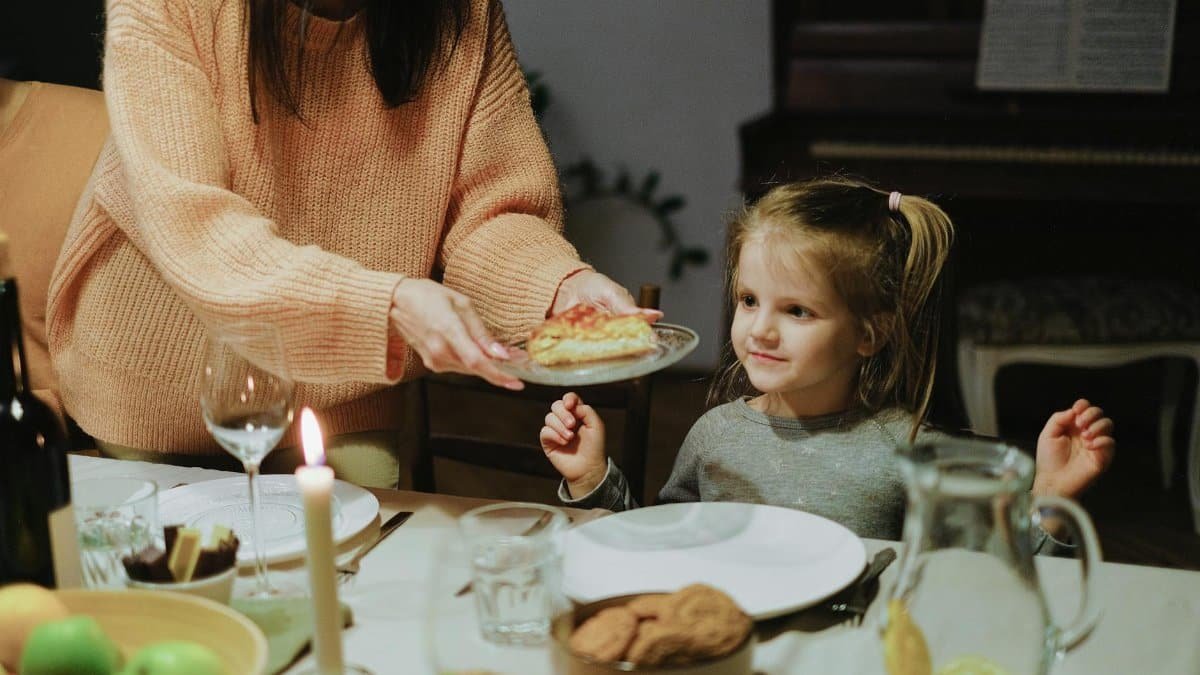
Is a plate of cheese really dinner? Dietitians delivered a blunt no on January 29, 2026. The “Girl Dinner” trend, often just snacks like cheese arranged casually, is under fire for promoting the girl dinner danger. Experts warn it normalizes malnutrition and disordered eating habits, turning lighthearted meals into potential health pitfalls. As this social media fad persists into 2026, professionals urge a closer look at what passes for nourishment in busy lives.
What Defines “Girl Dinner”?
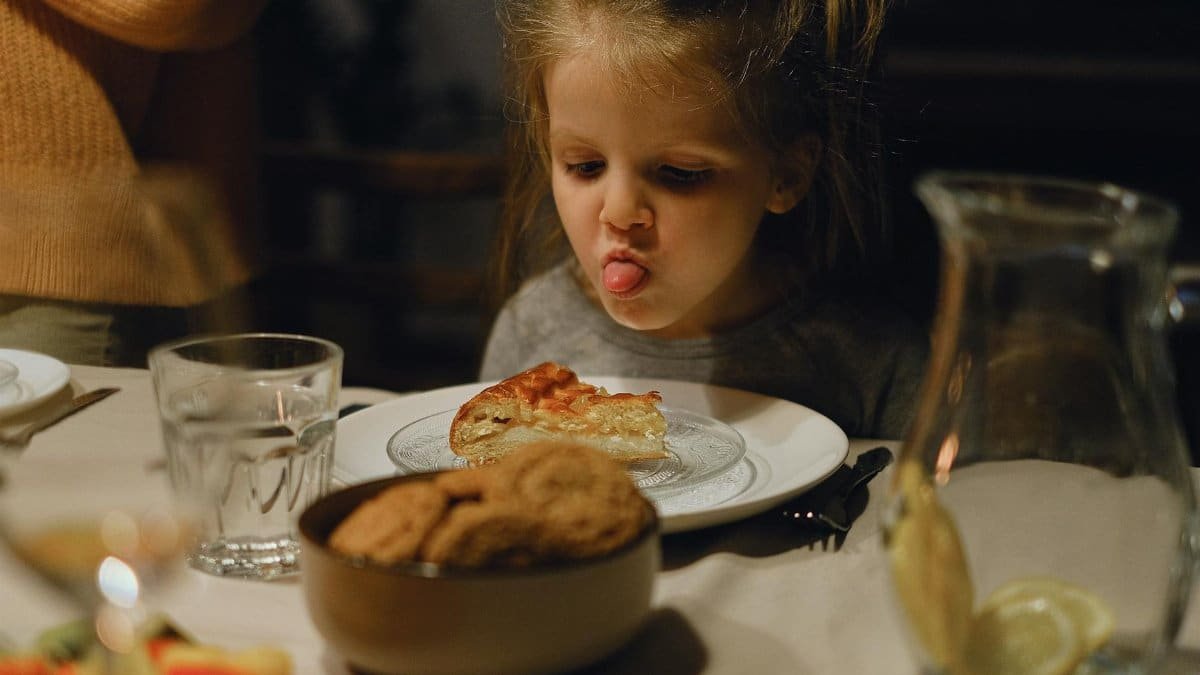
The “Girl Dinner” concept exploded on platforms like TikTok, portraying solo evenings with minimal effort: a board of cheese, perhaps crackers, fruits, or dips. No cooking, no fuss. Proponents celebrate its simplicity for one-person households. Yet dietitians point out this setup lacks the structure of a balanced meal. Proteins might appear in cheese form, but variety vanishes. Vegetables, grains, and substantial carbs often go missing. This trend reframes snacking as sustenance, blurring lines between indulgence and nutrition.
Dietitians Sound the Alarm

On January 29, 2026, registered dietitians collectively raised concerns. Their message cut straight: a plate of cheese isn’t a meal. Speaking through professional channels, they targeted the trend’s viral appeal. What began as relatable content for women unwinding alone has shifted cultural norms around eating. Experts emphasize meals should fuel the body comprehensively, not just satisfy a quick craving. This warning arrives amid rising social media influence on U.S. dining habits, where aesthetics trump adequacy.
Why Cheese Alone Falls Short
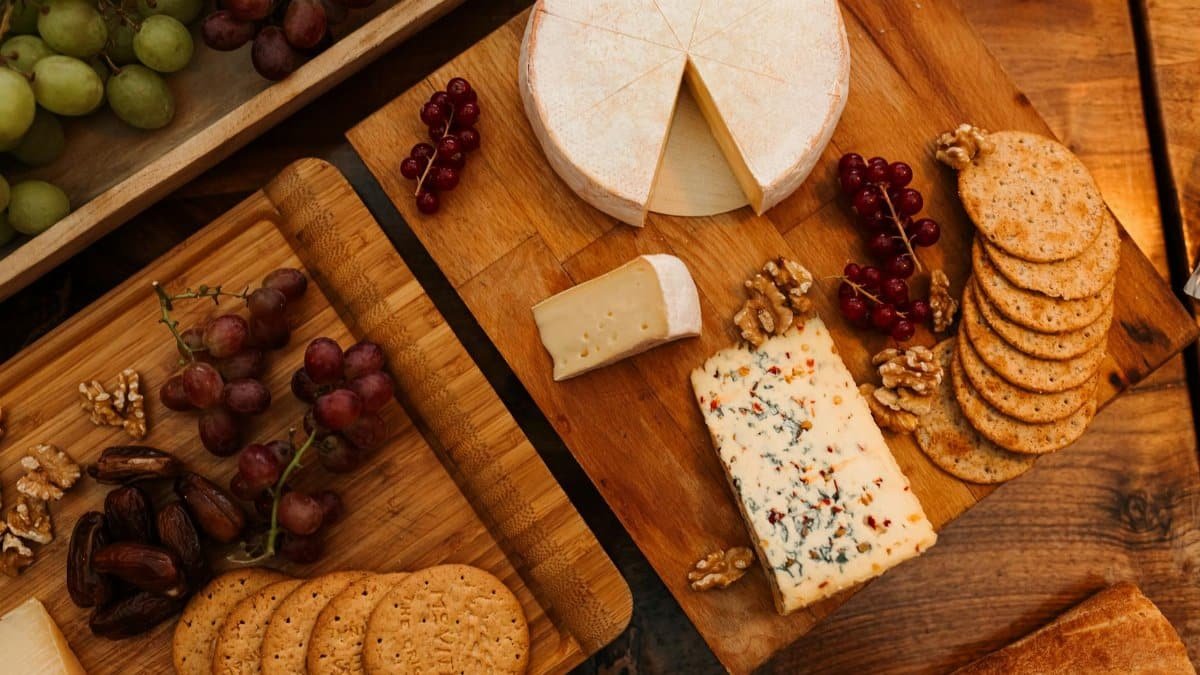
Cheese offers fat and protein, but that’s where strengths end. A typical “Girl Dinner” plate skimps on fiber, vitamins, and minerals essential for daily function. Without greens or whole grains, digestion slows, energy dips. Dietitians note such plates mimic grazing rather than eating. Over time, reliance on high-fat, low-volume foods disrupts metabolic balance. The simplicity seduces, but the nutritional gap widens, especially for those skipping breakfast or lunch.
The Malnutrition Risk Exposed
Malnutrition creeps in quietly with trends like this. It means inadequate intake of key nutrients, leading to fatigue, weakened immunity, and muscle loss. Dietitians link “Girl Dinner” directly to this normalization. Regular cheese-heavy plates provide calories but few micronutrients. Iron, calcium beyond cheese, B vitamins—all suffer. In the U.S., where processed snacks dominate, this amplifies vulnerabilities. For more on malnutrition effects, see the National Institute of Diabetes and Digestive and Kidney Diseases.
Disordered Eating Habits Take Root
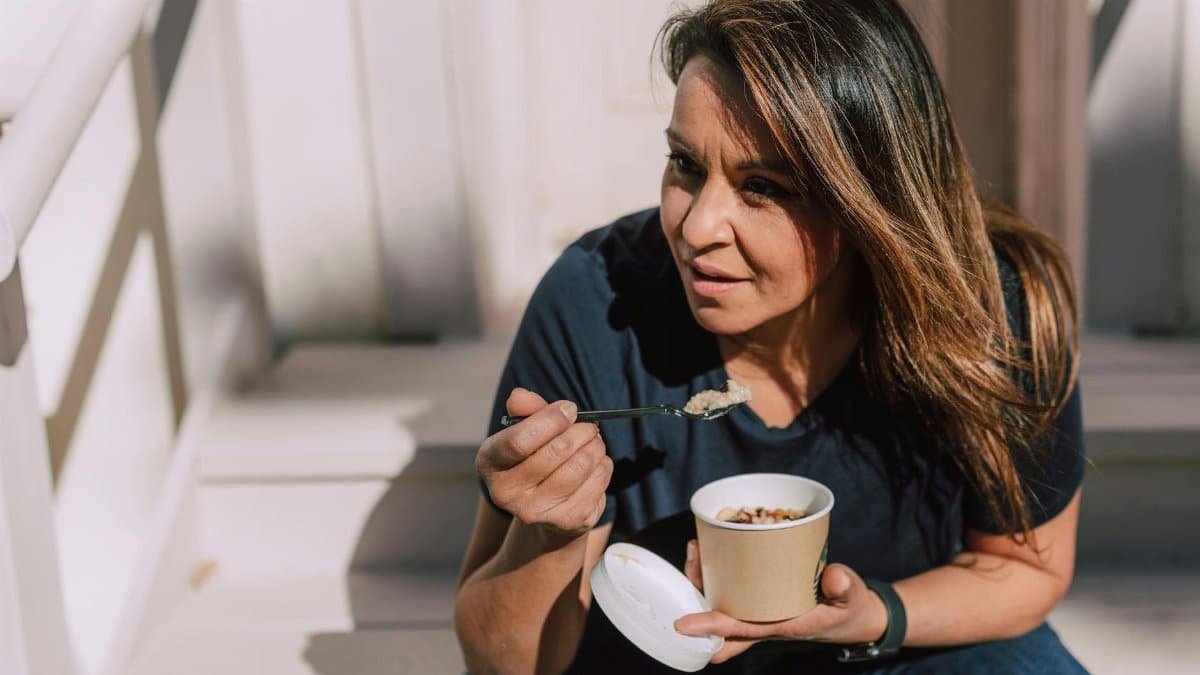
Beyond calories, the girl dinner danger fosters disordered eating. Portion control slips into restriction; meals shrink to “cute” displays. Dietitians observe this mirrors intuitive eating gone awry—skipping structure invites binge cycles later. Social validation online reinforces minimalism as empowerment, masking restriction. Women, primary trend participants, face heightened risks for orthorexia or undereating. Habits solidify when evenings default to nibbles, eroding mindful nutrition.
Social Media’s Role in Normalization
TikTok and Instagram propel “Girl Dinner” into 2026 mainstream. Hashtags rack up millions, showcasing aesthetic plates as self-care. Dietitians critique this as glamorizing inadequacy. Users share for likes, not labels. Yet the repetition embeds the idea: dinner needn’t nourish fully. U.S. trends show young adults increasingly adopt such patterns, influenced by fast-paced lives and economic pressures. Experts call for balance over virality.
Health Impacts Accumulate Over Time
Repeated “Girl Dinners” compound issues. Short-term: blood sugar instability from carb voids. Long-term: bone density drops, hormone shifts. Dietitians stress cumulative effects hit hardest in nutrient-poor diets. Immunity falters without diverse vitamins; gut health ignores fiber. This trend sidesteps whole foods central to American Dietary Guidelines. For eating disorder insights, consult the National Institute of Mental Health.
Who Faces the Greatest Girl Dinner Danger?
Solo diners, especially women in urban U.S. settings, embrace it most. Busy professionals, students—anyone solo—find appeal in no-prep ease. Dietitians flag vulnerabilities: those with irregular schedules risk amplifying gaps. Pre-existing conditions like anemia worsen. The trend’s gendered branding overlooks broader adoption, pulling in all demographics chasing convenience.
Shifting Toward Balanced Alternatives
Dietitians advocate reclaiming meals without ditching ease. Add veggies to that cheese plate; pair with whole grains. The warning underscores evolution, not elimination. In 2026, as wellness conversations mature, awareness grows. Platforms could pivot to nutrient-dense hacks. Until then, the core message holds: prioritize wholeness over whimsy.
This January 2026 alert reminds America: trends test, but bodies demand basics. Dietitians’ stance pushes back against fleeting fads, safeguarding habits one plate at a time.