
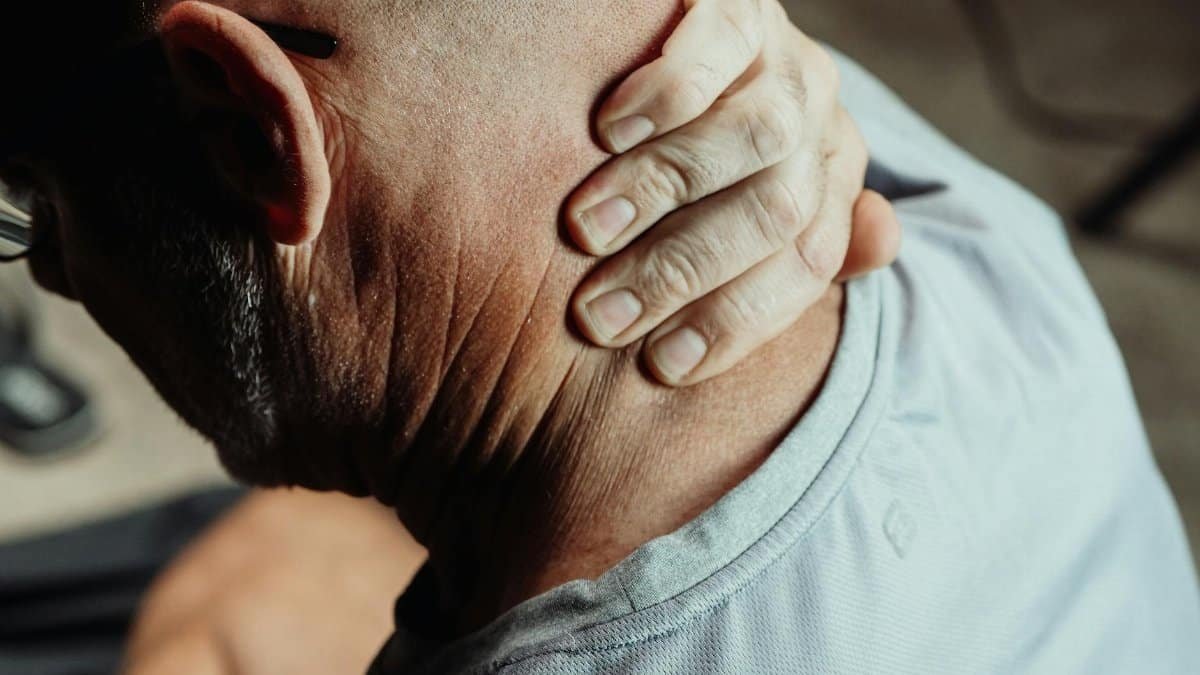
In a nation where stress seems baked into daily life, a recent survey from the American Psychological Association caught many off guard. It found that 76% of U.S. adults report physical symptoms tied to tension, like headaches or muscle tightness, up from 65% just five years ago. This spike highlights a growing need for practical relief. Enter the concept of ease, body, tension—a mindful approach that’s quietly gaining traction. Named after wellness advocate Georgia Hale, who developed her steady method amid the hustle of Atlanta’s urban scene, it promises a straightforward path to unwind. But does it deliver? As more Americans seek balance in 2025’s fast-paced world, this technique offers a beacon. It blends simple breathing with targeted movements, rooted in everyday accessibility. No fancy equipment needed. Just a willingness to pause. This article unpacks its steps, benefits, and real-world applications, drawing on expert insights and user stories.
Origins of Georgia’s Steady Method

Georgia Hale wasn’t always a wellness figure. Back in the early 2010s, she worked as a corporate trainer in Georgia’s capital, juggling deadlines and family demands. One day, during a particularly grueling week, she noticed how her shoulders hunched under invisible weight. That observation sparked what would become her signature approach. Hale drew from traditional practices like yoga and mindfulness, but she tailored them for busy lives. She emphasized steady, incremental releases rather than abrupt changes. By 2018, she had formalized it into workshops, sharing it first with local groups in Atlanta.
Experts trace similar ideas back further. A study from Harvard Medical School explores how progressive relaxation techniques, akin to Hale’s, reduce cortisol levels. You can read more in their comprehensive report Harvard Health Publishing on Relaxation Techniques. Hale’s twist? Making it region-specific, incorporating Southern rhythms like slow walks in humid air. Today, it’s spread beyond state lines, appealing to those tired of generic apps.
Picture a group session in a community center. Participants sit in a circle, Hale guiding them through breaths. One attendee later shared anonymously online that it felt like shedding a heavy coat. Such moments illustrate the method’s appeal. It’s not revolutionary, but its grounded nature resonates in an era of overload.
Understanding the Core Principles

What sets Georgia’s Steady Method apart starts with its foundation: awareness without judgment. Hale insists on scanning the body for tension spots, from jaw to toes. It’s a quiet inventory. No rushing. This principle echoes cognitive behavioral techniques, supported by research from the National Institutes of Health. Their findings show mindful body scans can lower anxiety by 20% in regular practitioners. Dive into the details via NIMH on Anxiety Disorders.
Another key is steadiness. Instead of forcing relaxation, you build it layer by layer. Imagine easing into a warm bath, not jumping in. Hale uses analogies like this to make it relatable. In practice, it means holding a gentle stretch for 30 seconds, then releasing slowly. Users report a cumulative effect, where daily sessions compound over weeks.
Yet, there’s nuance. Not everyone responds the same. Some find the slowness frustrating at first, a tension in itself. Hale addresses this by encouraging adaptations, like pairing it with music. This flexibility keeps it from feeling rigid, inviting broader adoption among middle-aged folks navigating midlife stresses.
Step-by-Step Guide to Getting Started
Ready to try? Begin in a quiet spot. Sit or lie down comfortably. Close your eyes if it helps. Hale’s method kicks off with deep, diaphragmatic breathing. Inhale for four counts, hold for four, exhale for six. Repeat five times. This resets the nervous system, as confirmed by a CDC overview on stress management CDC on Coping with Stress.
Next, the body scan. Start at your head. Tense your forehead muscles briefly, then release. Move downward: neck, shoulders, arms. Feel the ease spread. One practitioner described it as waves lapping at a shore, each release pulling tension away. Don’t worry if thoughts intrude; gently redirect.
For the steady element, incorporate movement. Stand and sway gently, like trees in a breeze. Hale suggests 10 minutes daily. Over time, integrate it into routines, like during commutes. The beauty lies in its simplicity, making ease, body, tension accessible even on hectic days.
Common Challenges and How to Overcome Them

Not every session flows smoothly. Distractions abound in modern life. Phones buzz, minds wander. Hale acknowledges this, advising to start small. If five minutes feels daunting, try two. Research from Pew Research Center notes that 85% of Americans feel overwhelmed by digital demands, amplifying physical tension. Their report Pew Research on Digital Stressors underscores the need for offline tools like this.
Physical discomfort can arise too. Tight muscles might protest initial tensing. Hale recommends warming up with light walks. Listen to your body, she says. For those with chronic pain, consult a doctor first. Online accounts often mention initial skepticism turning to relief after persistence. One shared feeling like a coiled spring unwinding gradually.
Overcoming mental blocks involves patience. Treat slip-ups as learning. Hale’s community forums buzz with tips, like journaling progress. This builds resilience, turning challenges into stepping stones toward sustained ease.
The Science Behind Easing Tension

Why does it work? Science points to the autonomic nervous system. Tension activates the sympathetic branch, fight-or-flight mode. Hale’s method shifts to parasympathetic, promoting rest and digest. A study in the Journal of the American Medical Association links such practices to improved heart rate variability, a marker of stress resilience. Explore it at JAMA on Mindfulness and Health.
Beyond biology, there’s a psychological layer. Releasing physical tension often loosens emotional knots. Therapists note clients report clearer thinking post-session. In 2025, with rising mental health awareness, methods like this gain scientific backing. Yet, it’s not a cure-all. Combined with therapy, it amplifies benefits.
Consider a middle-aged teacher from the Midwest. After incorporating the method, she noticed fewer migraines. Her story, echoed in wellness circles, shows how easing body tension ripples into daily well-being.
Real-Life Applications in Daily Routines

Integrating Georgia’s Steady Method into everyday life transforms it from abstract to actionable. At work, sneak in a quick scan during breaks. Tense and release your hands under the desk. Commuters use red lights for breaths. Hale shares how she applied it during traffic jams in Atlanta, turning frustration into calm.
For families, it becomes a shared ritual. Parents teach kids simplified versions, fostering household peace. One anonymous online post described a evening routine where the whole family unwinds together, easing collective tension. In relationships, it aids communication, as relaxed bodies lead to open talks.
Even in fitness, it complements workouts. Post-exercise, use the method to cool down, preventing soreness. As U.S. trends lean toward holistic health in 2025, such integrations make ease, body, tension a versatile tool.
Benefits for Long-Term Health
Over months, practitioners see lasting gains. Reduced blood pressure stands out, per NIH data on relaxation’s cardiovascular perks NHLBI on Heart-Healthy Living. Sleep improves too, with fewer awakenings from tension.
Mentally, it builds emotional regulation. Hale’s followers report handling stress better, from job losses to personal setbacks. A subtle shift: more presence in moments. Yet, benefits vary. Some need consistency to notice changes, highlighting the method’s emphasis on steadiness.
In broader terms, it counters America’s burnout epidemic. With remote work blurring boundaries, tools like this restore balance, promoting sustained vitality.
Community and Cultural Impact

Georgia’s Steady Method has fostered communities. Online groups share variations, adapting for different cultures. In Southern states, it’s infused with local flair, like pairing with gospel music. Nationally, it’s part of a wellness wave, with workshops popping up in cities like Chicago and Seattle.
Culturally, it challenges hustle culture. By prioritizing ease, it questions the glorification of stress. In 2025, as remote wellness retreats boom, Hale’s approach offers an affordable alternative. One participant’s reflection: It reminded her that bodies aren’t machines. This humanizes health discussions.
Critics argue it’s too simplistic, but supporters see that as its strength. Amid economic uncertainties, accessible methods democratize well-being.
Adapting the Method for Personal Needs
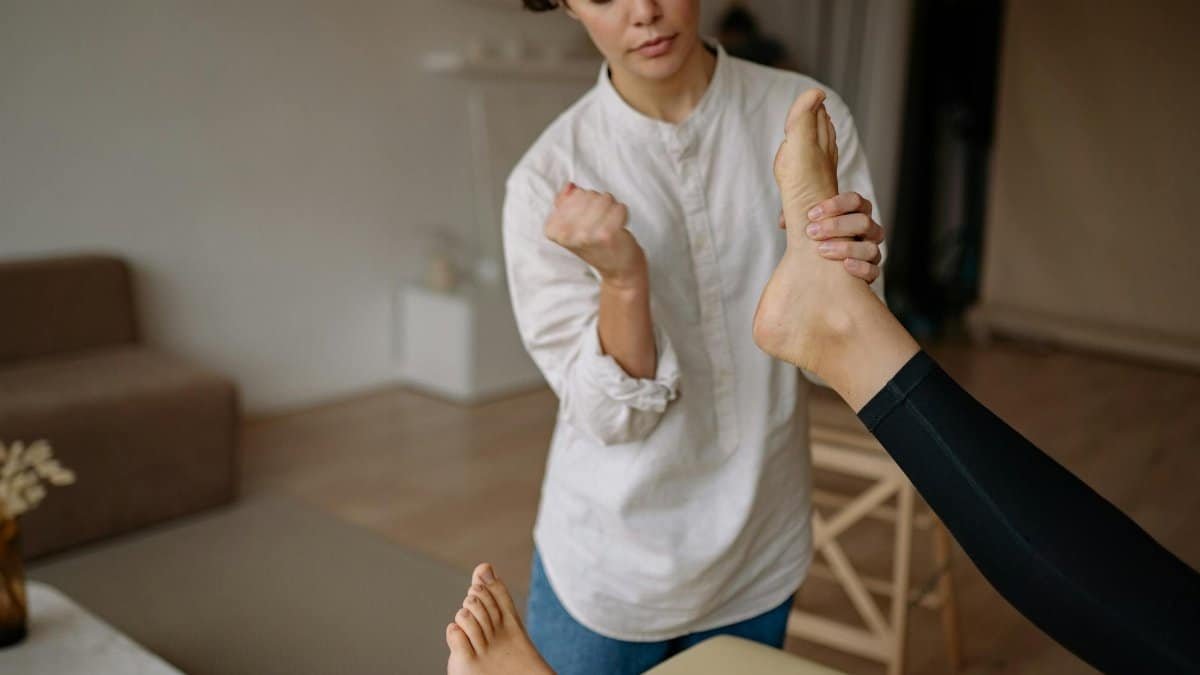
Customization is key. Hale encourages tweaks. For desk workers, focus on upper body. Athletes might emphasize legs. Age matters too; older adults shorten sessions to avoid strain.
Incorporate tech mindfully, like apps for reminders, but keep the core analog. One user adapted it for anxiety attacks, using quick breaths to regain control. Such personalization ensures longevity.
Track progress with simple notes. What eases today might shift tomorrow. This evolves the practice, making ease, body, tension a lifelong companion.
Expert Opinions and Future Directions
Wellness experts praise its accessibility. Dr. Elena Ruiz, a psychologist, notes its alignment with evidence-based therapies. “It’s empowerment in action,” she says. Looking ahead, Hale plans digital expansions, reaching more Americans.
In 2025, with hybrid work persisting, demand for such tools grows. Potential integrations with VR could modernize it. Yet, the essence remains: steady steps toward release. As tensions mount globally, methods like this offer quiet resistance.
Ultimately, Georgia’s Steady Method invites a reevaluation. In a world that pulls tight, easing back might be the wisest move.