
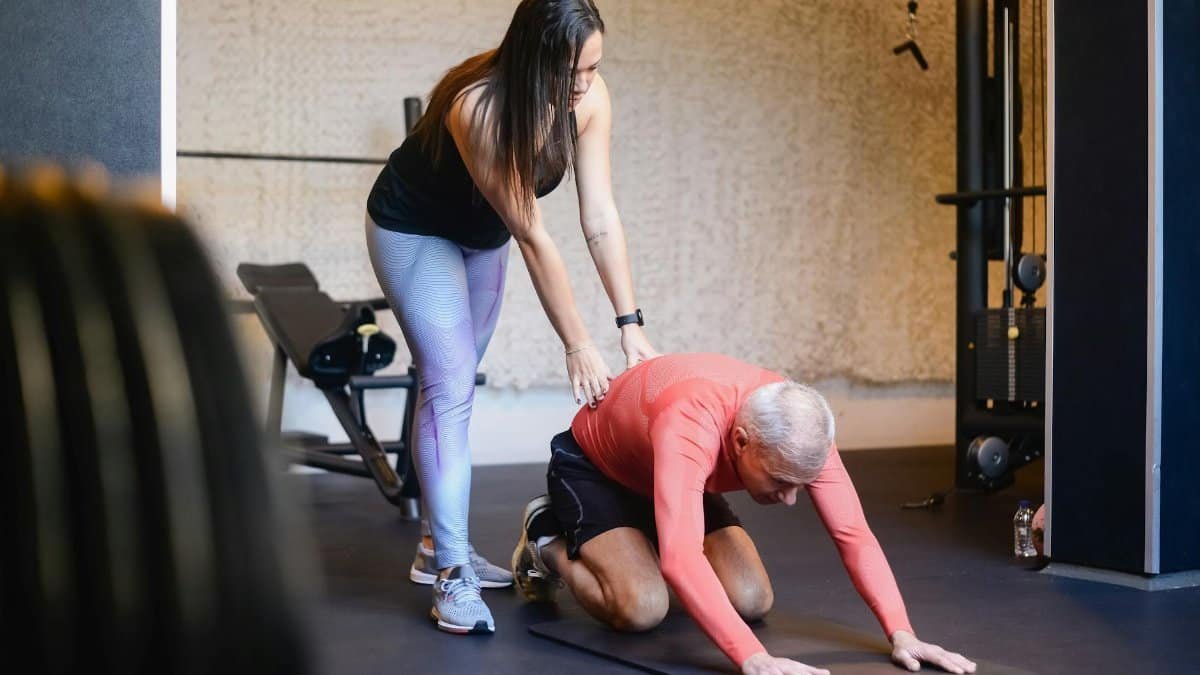
When Michael Thompson of Denver first received his diagnosis, the future seemed to hold only decline. His once steady hands now trembled at unexpected moments. Walking to the mailbox left him exhausted and unsteady. Then his physical therapist suggested a different path. Many are turning to what experts describe as gentle exercises parkinsons patients can safely perform. These movements focus on balance, coordination and strength without strain. Thompson was skeptical at first. Yet after six months of consistent practice he found himself moving with greater confidence and sleeping more soundly. His story reflects a larger shift in how doctors and patients approach this progressive neurological condition. Rather than viewing the body as something to fight against, practitioners are learning to work gently with it.
Understanding the Impact of Parkinsons on Daily Life
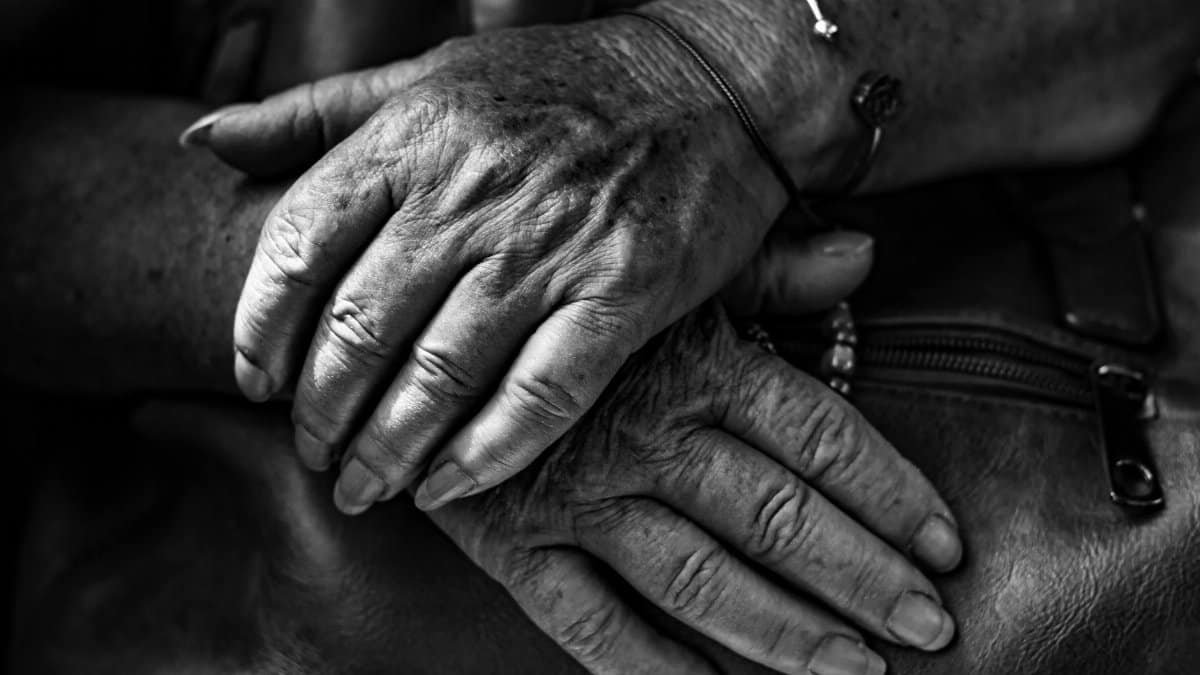
Parkinsons disease affects nearly one million Americans, with symptoms that extend far beyond the tremors most people recognize. Stiffness, slowed movement, balance problems and freezing of gait can make ordinary tasks feel impossible. Middle aged adults in their fifties and sixties often face these changes at a time when they expected to enjoy peak career and family years.
The condition stems from the loss of dopamine producing neurons in the brain. This chemical shortage disrupts the smooth signals needed for fluid motion. Many patients describe feeling trapped inside bodies that no longer respond as they should. Traditional medications help but often lose effectiveness over time and come with side effects. This reality has led researchers and clinicians to examine non pharmaceutical approaches with renewed seriousness.
Why Gentle Movement Makes a Difference
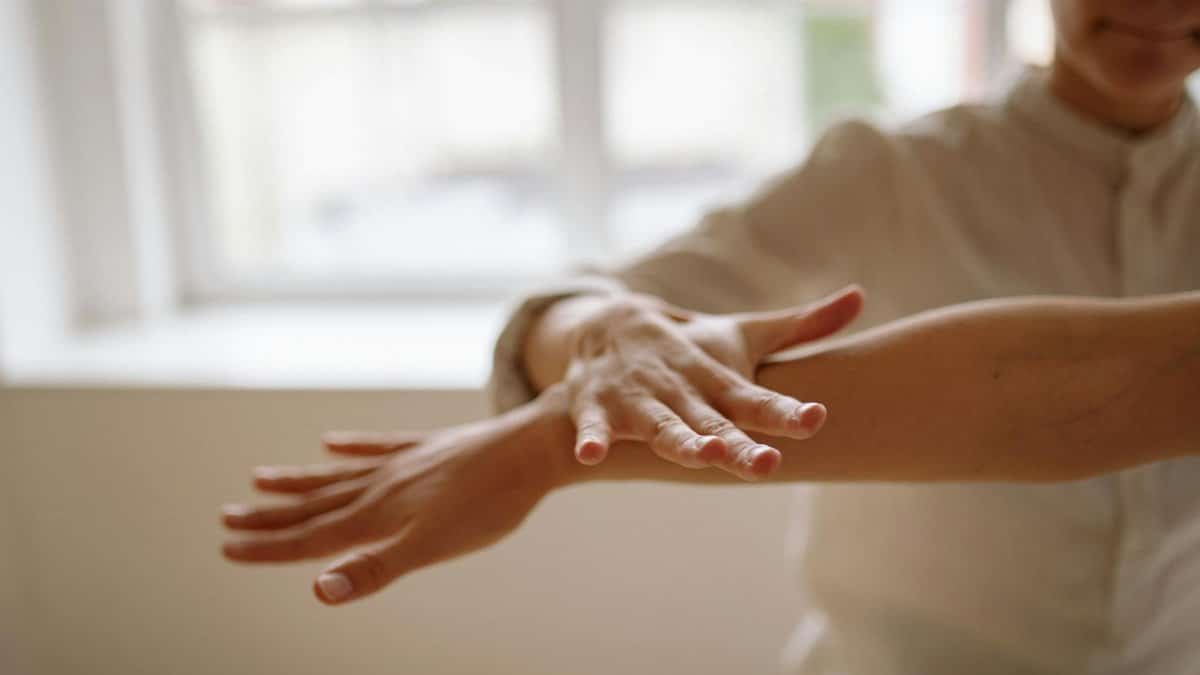
Exercise has emerged as one of the few interventions shown to improve both motor and non motor symptoms. Unlike high intensity workouts that might overwhelm a compromised nervous system, gentle exercises parkinsons patients can sustain over years appear particularly effective. They stimulate neuroplasticity, the brain ability to form new connections.
Physical therapists report that consistent practice helps patients maintain independence longer. These movements increase blood flow to the brain, support the release of neuroprotective factors and improve the efficiency of remaining dopamine pathways. The key lies in regularity rather than intensity. Even twenty minutes several times a week produces measurable changes in mobility and mood.
Tai Chi Offers Grace and Stability
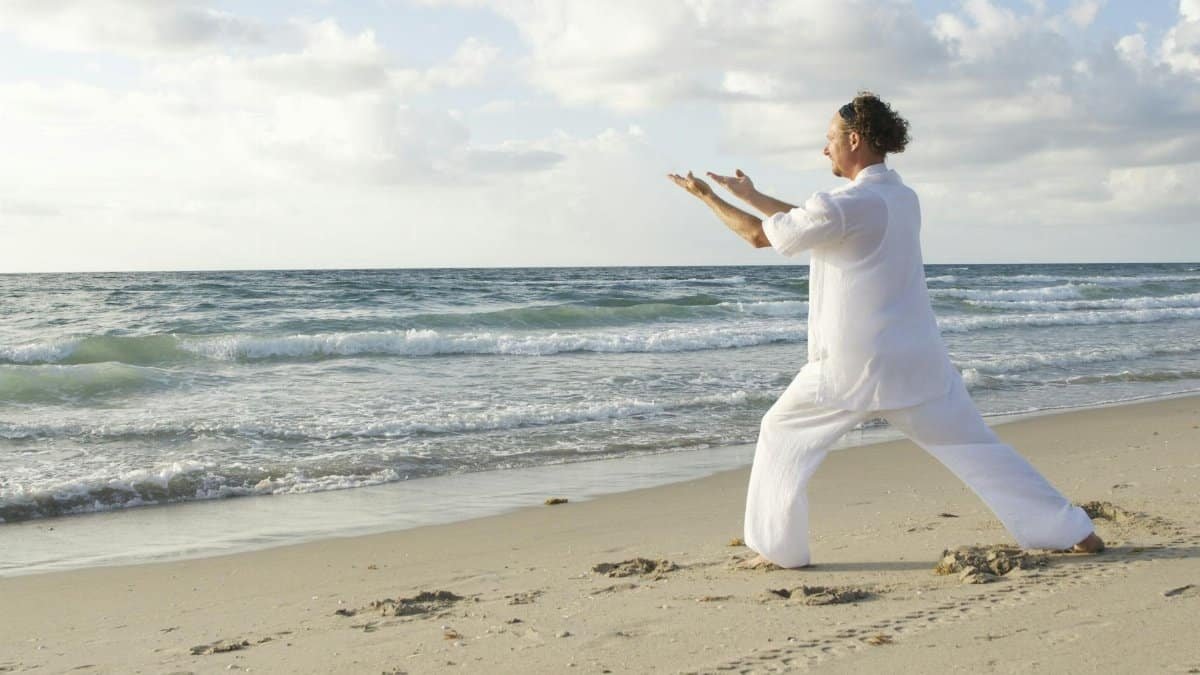
Among the most studied practices, tai chi combines slow flowing movements with breath awareness and mental focus. A landmark study published in the New England Journal of Medicine found that tai chi reduced falls among Parkinsons patients by nearly half compared with resistance training or stretching alone. Participants showed meaningful gains in balance and functional mobility.
The practice emphasis on weight shifting directly addresses the postural instability common in the disease. Patients learn to move deliberately from one stance to another, rebuilding confidence in their body awareness. Many describe the meditative quality as equally valuable, noting decreased anxiety and better emotional regulation after regular sessions.
View the New England Journal of Medicine study here.
Yoga Adapted for Neurological Needs
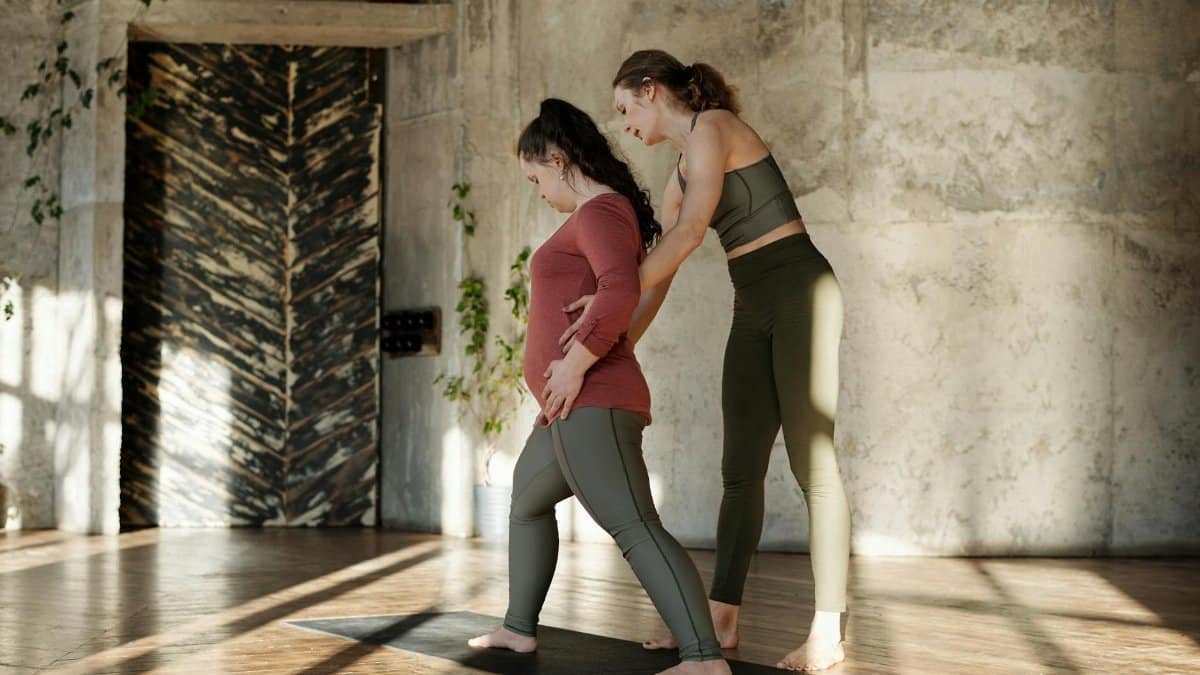
Yoga programs designed specifically for neurological conditions have gained traction in rehabilitation centers nationwide. These classes use chairs, walls and props to ensure accessibility while still delivering benefits. Focus remains on gentle stretching, controlled breathing and mindful transitions rather than complex poses.
Research from the University of California San Francisco suggests adapted yoga improves flexibility, reduces muscle rigidity and enhances quality of life scores. The breathing techniques appear particularly helpful for addressing the respiratory changes that often accompany Parkinsons. Patients learn to access deeper breaths, which supports voice volume and overall energy levels.
Chair Exercises Built for Accessibility
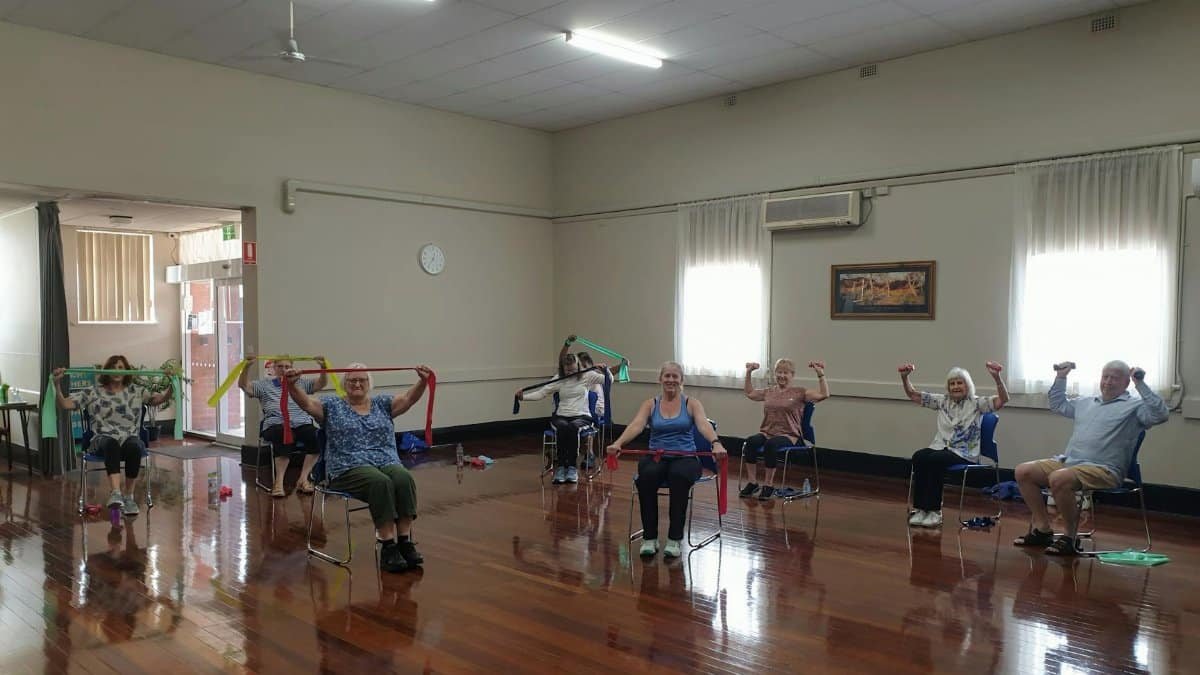
For those with significant mobility limitations, seated exercises offer a practical entry point. These routines target leg strength, posture, arm coordination and core stability without requiring participants to stand for long periods. Physical therapists often begin here before progressing to standing work.
Simple movements like ankle circles, seated marches and gentle spinal twists can be performed at home with minimal equipment. The accessibility removes common barriers to exercise adherence. Patients who once avoided activity because they feared falling now maintain consistent routines from the safety of a stable chair.
Rhythmic Walking and Gait Training
Walking remains one of the most powerful activities for Parkinsons patients when approached with intention. Research backed programs incorporate rhythmic cues, whether from music, metronomes or specialized walking poles. These external rhythms help bypass the brain defective internal timing mechanisms.
Participants learn techniques to overcome freezing episodes, such as imagining stepping over a line on the ground or counting rhythmic patterns. Many communities now offer instructor led walking groups specifically for neurological conditions. The social element adds another layer of benefit, combating the isolation that frequently accompanies chronic illness.
The Spiritual Dimension of Mindful Movement
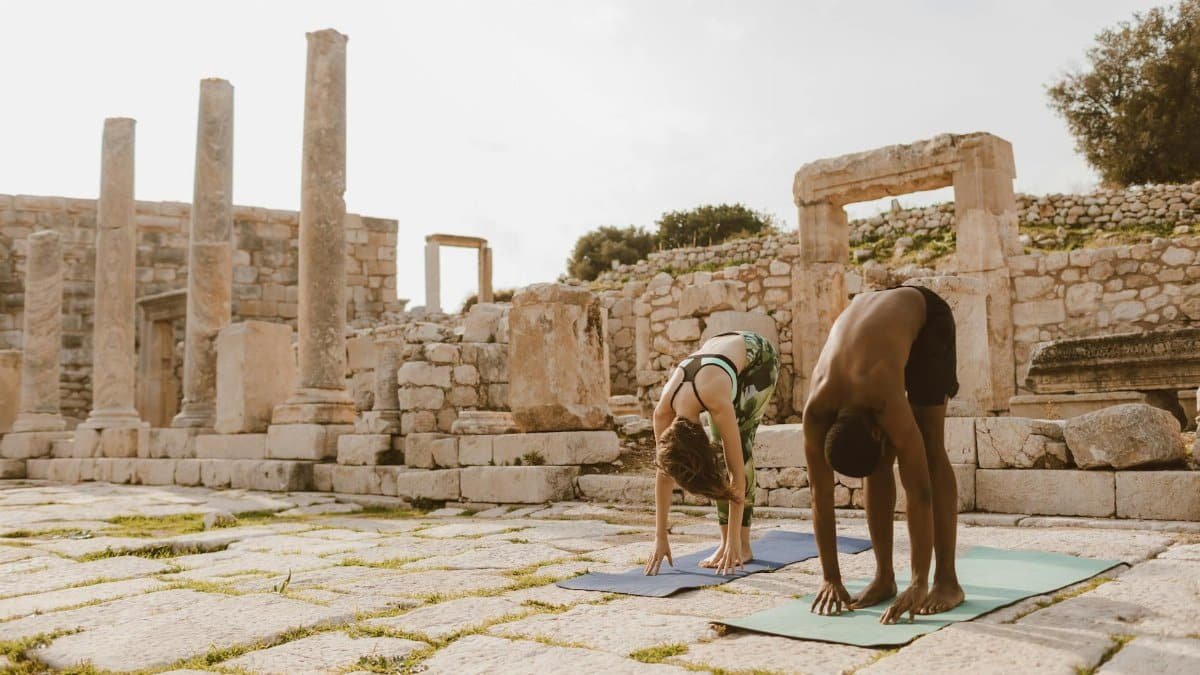
Beyond physical improvements, many patients discover unexpected spiritual and emotional benefits. The required presence of mind during these sessions creates a form of moving meditation. Practitioners report feeling more connected to their bodies rather than at war with them. This shift in relationship often extends to other areas of life.
In an era when many middle aged Americans seek deeper meaning amid health challenges, these practices offer both tangible physical gains and a path toward acceptance. The slow, deliberate nature invites reflection and cultivates patience, qualities that prove valuable when facing a progressive condition.
Evidence from Clinical Studies
The Washington Post recently highlighted growing clinical consensus around structured movement programs for Parkinsons. Multiple randomized controlled trials now support what therapists have observed for years. Patients who engage in regular gentle exercise show slower progression of symptoms, better cognitive function and improved mood compared with those who remain sedentary.
A comprehensive review in JAMA Neurology concluded that exercise should be considered a cornerstone of treatment alongside medication. The mechanisms appear multifaceted, involving everything from improved cardiovascular health to direct effects on brain chemistry. Importantly, benefits occur across different stages of the disease.
Read the Washington Post coverage.
Real Transformations From Consistent Practice

Susan Alvarez, a former teacher from Ohio, credits her twice weekly tai chi class with preserving her ability to garden and cook for her family. Before starting, she had begun avoiding social gatherings due to embarrassment over her shuffling gait. Six months later she completed a community 5K walk using Nordic poles.
Stories like hers appear repeatedly in support groups and rehabilitation clinics. While no exercise reverses the underlying disease process, many patients regain functions they thought permanently lost. The psychological boost from these achievements cannot be overstated. Hope, once diminished, finds new ground.
Getting Started with Professional Guidance

Physical therapists specializing in neurological conditions recommend beginning with professional assessment rather than self directed programs. Individual needs vary widely based on symptoms, fitness level and other health factors. A qualified therapist can design an appropriate sequence and teach proper form to prevent injury.
Many hospitals and community centers now offer classes tailored specifically for Parkinsons. Online options have expanded dramatically since the pandemic, making expert instruction accessible even in rural areas. The key is finding instructors familiar with the unique movement challenges this population faces.
A Holistic Path Forward

The growing embrace of gentle exercises parkinsons reflects deeper cultural shifts toward integrative care. Patients and practitioners increasingly recognize that addressing the whole person yields better outcomes than treating isolated symptoms. Movement becomes not merely exercise but a daily practice of presence, resilience and self compassion.
For middle aged Americans navigating this diagnosis, these approaches offer practical tools and something less tangible yet equally valuable: a sense of agency and possibility. While Parkinsons remains a serious condition, the expanding toolkit of gentle, evidence based practices brings renewed optimism to patients and families alike. The most effective path appears to combine medical treatment, thoughtful movement and human connection. Thompson and thousands like him continue proving that meaningful improvement remains possible even after diagnosis.