

In a stunning reversal amid widespread declines, Gen Z men are returning to church in record numbers. Dated January 5, 2026, this church trends 2026 development marks a surprising shift. While attendance falls across other demographics, young men seek out congregations for community and structure. Experts note this bucks long-term patterns of disaffiliation. Churches report packed pews from this group, drawn to the stability faith offers in turbulent times. The trend signals potential renewal, even as overall participation lags.
The Surprising Shift in Attendance

Church attendance has dropped steadily in recent years, but Gen Z men stand apart. This January 5 announcement highlights record returns among young males aged roughly 14 to 29. They fill services, reversing a broader exodus. The contrast sharpens the story: gains here, losses there. Factors like post-pandemic isolation amplify the appeal. Congregations see fresh energy from these attendees, who engage actively.
Gen Z Men Buck the Trend

Generation Z men lead this revival. Unlike peers, they prioritize church amid secular drifts. Record numbers join weekly services, bible studies, and events. This group, often labeled disengaged, surprises observers. Their return challenges assumptions about youth and faith. Data underscores the scale: unprecedented upticks solely from this demographic. Churches adapt to welcome them, fostering targeted outreach.
Seeking Community in Isolation

Community draws these young men back. Modern life fragments connections through remote work and digital silos. Church offers face-to-face bonds. They find brothers-in-arms in small groups and ministries. Shared meals, accountability partners, and mutual support fill voids. This pursuit aligns with church trends 2026, where relational ties combat loneliness epidemics. Attendees describe renewed purpose through collective worship and service.
The Draw of Structure and Discipline

Structure anchors Gen Z men’s comeback. Daily chaos—from economic pressures to identity flux—makes routines vital. Church provides clear rituals: sermons, prayers, sacraments. Moral frameworks and guidance appeal strongly. Young men embrace disciplines like fasting or volunteering. This order counters aimless scrolling and uncertainty. The summary’s emphasis on structure reveals why records shatter now.
Drops Elsewhere Paint the Picture

Attendance plummets in other areas. Women, older adults, and non-Gen Z youth show steeper declines. Empty pews mark Sunday mornings for many demographics. Gallup polling tracks this national slide, with membership hitting historic lows. The Gen Z men surge stands in stark relief, highlighting uneven recovery patterns across U.S. faith landscapes.
Why Now? Post-Pandemic Factors
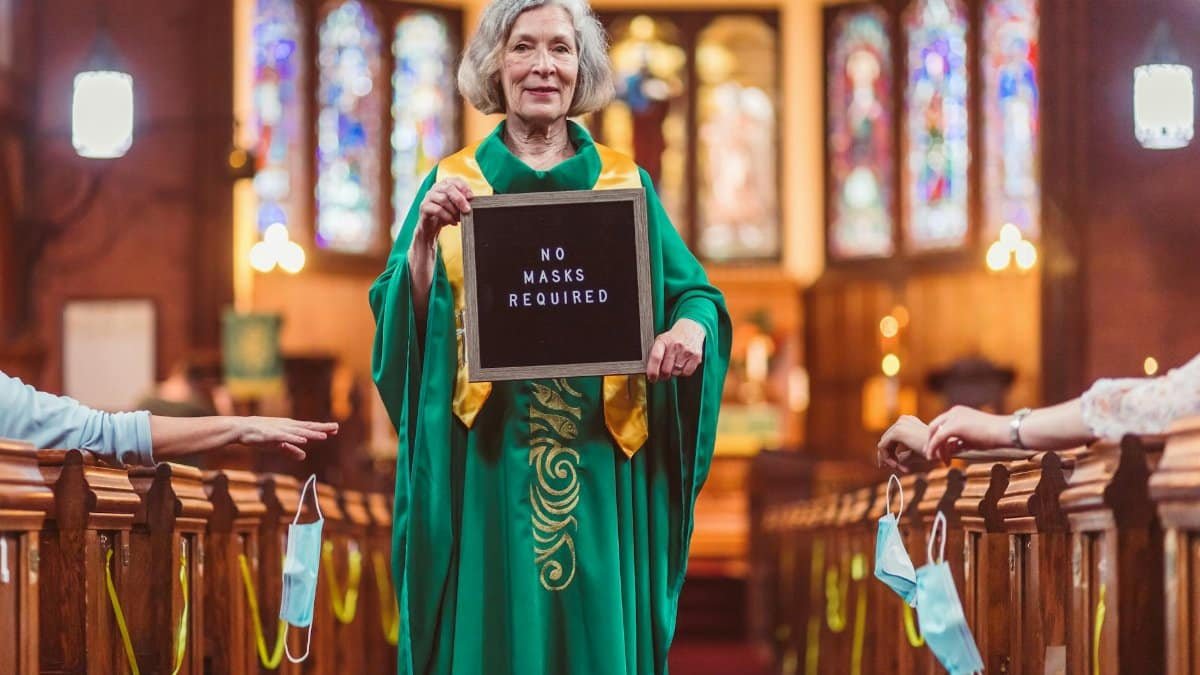
The timing ties to recent upheavals. Lockdowns exposed isolation’s toll. Gen Z men, hit hard by mental health strains, turn to church for solace. Record returns coincide with reopened doors. Virtual fatigue pushes them toward physical gatherings. This shift, noted January 5, reflects broader quests for meaning. Churches gain from men seeking anchors in recovery eras.
Church Adaptations Fuel the Return

Congregations evolve to attract these men. Men’s ministries expand with relevant topics: leadership, resilience, fatherhood prep. Sports leagues and mentorship pair faith with action. Pastors tailor messages to young male realities. The result? Overflow crowds. This responsiveness boosts church trends 2026, turning declines into targeted growth. Success stories emerge from adapted programs.
Implications for Faith Futures

This trend reshapes U.S. religion. Gen Z men’s influx could stabilize churches long-term. They bring vigor, potentially reversing broader slumps. Pew Research Center context on shifting landscapes underscores the outlier status here. Leaders watch closely, hoping it spreads. For now, record numbers signal hope amid challenges. Community and structure prove enduring lures.