

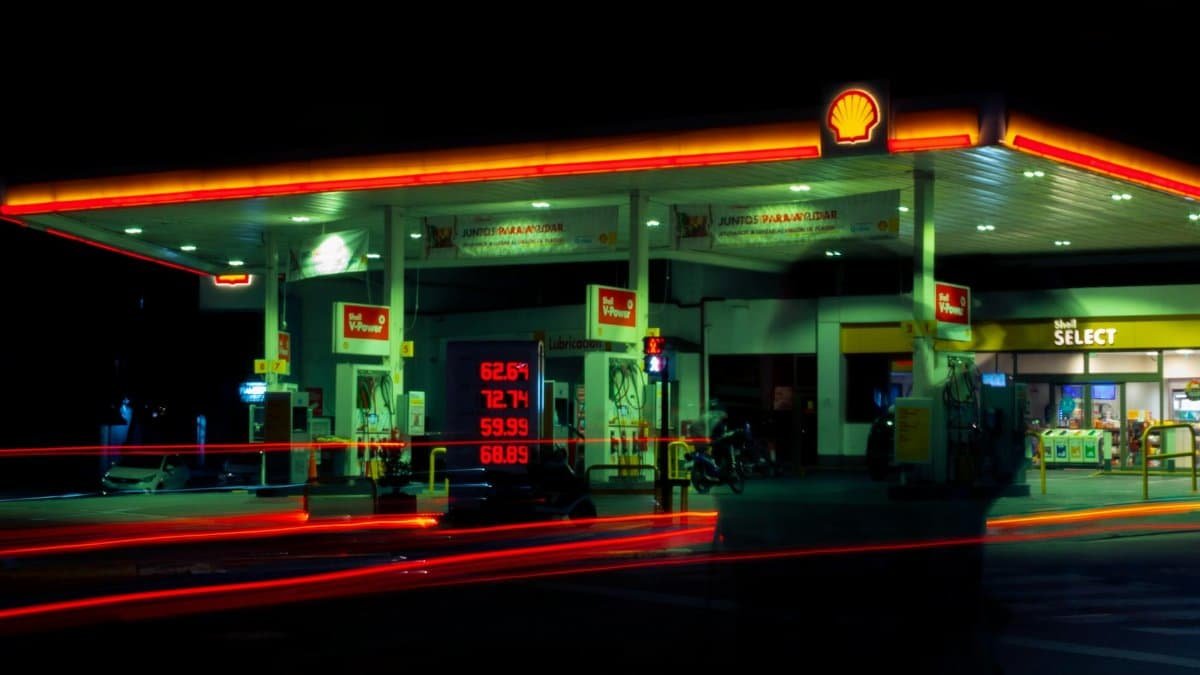
As the sun dipped low over a Kansas City suburb last week, Mark Reilly pulled his Ford F-150 into a Shell station, his wallet already lighter from a week of commuting. The digital sign blinked $3.718 per gallon— the national average for regular unleaded, a gas prices highest level not seen since early 2024. What began as skirmishes between Iran and Israel has escalated into open conflict, sending crude oil prices rocketing past $100 per barrel for the first time in years. For millions of American drivers, this is no distant headline; it is the sting at every fill-up, rippling through family budgets and fueling a quiet fury over finances in an election year.
The Geopolitical Powder Keg Ignites

The fuse lit in the Middle East when Iranian missiles rained down on Israeli positions, prompting retaliatory strikes on Tehran’s oil infrastructure. Brent crude, the global benchmark, surged 18 percent in days, closing above $102 last Friday. Analysts trace the volatility to fears of disrupted Persian Gulf shipping lanes, through which 20 percent of the world’s oil flows. “This is not just a regional spat,” said energy economist Sarah Kline of Rice University’s Baker Institute. “Iran’s capacity to choke the Strait of Hormuz could add $20 to a barrel overnight.” U.S. Strategic Petroleum Reserve releases have tempered the spike, but inventories are at four-decade lows.
From Tehran to Tulsa: The Supply Chain Shock
Refineries from Texas to California process imported crude, and the Iran war has tightened supplies just as summer driving season ramps up. Domestic production, hovering near 13.3 million barrels per day, cannot fully offset the global crunch. AAA data shows regional disparities stark: California drivers pay $4.89, while Mississippi holds at $3.12. The American Petroleum Institute reports utilization rates at 92 percent, straining output. Small independents like those in Oklahoma feel the pinch first, with margins squeezed as they pass on costs.
Household Budgets Under Siege

For the median American family spending $167 monthly on fuel, this climb translates to $300 extra annually. Grocery prices, already inflated by trucking costs, compound the pain. A Federal Reserve survey from last month found 42 percent of households delaying big purchases due to energy expenses. In swing states like Pennsylvania and Michigan, where trucking and manufacturing dominate, the discontent brews. “People are raging at the pump,” noted retail analyst Greg Porteus. “It’s financial rage turning political.”
Echoes of Past Crises

This is not uncharted territory. Gas prices highest level recalls 2022’s post-Ukraine invasion peak of $5.02, when Russian sanctions slashed exports. Yet today’s surge feels sharper, layered atop inflation lingering at 2.6 percent. Historical parallels offer cold comfort: the 1979 Iranian Revolution doubled prices in months. Today’s motorists, weaned on sub-$3 gallons through much of the 2010s, face a rude reawakening. Energy Information Administration charts show volatility cycles tied inexorably to Mideast tensions.
Industry Titans Adapt Amid Chaos

Major players like ExxonMobil and Chevron report windfall profits but warn of prolonged uncertainty. Chevron CEO Mike Wirth told investors last week, “We are hedging aggressively, but geopolitics trumps all.” Smaller distributors scramble, with some stations imposing purchase limits. Electric vehicle sales, up 40 percent year-over-year, hint at a pivot, though EVs remain just 7.6 percent of new registrations. Hybrids surge in popularity, per Cox Automotive data.
Washington’s Delicate Balancing Act

The Biden administration, eyeing November’s ballot box, taps reserves while pushing LNG exports to Europe. Critics decry insufficient drilling permits on federal lands. Senate Republicans propose a gas tax holiday; Democrats counter with EV subsidies. Treasury Secretary Janet Yellen emphasized in a Bloomberg interview that “targeted releases stabilize without rewarding aggressors.” Yet public approval on energy policy sits at 38 percent, per Gallup.
Consumer Strategies in a High-Price Era
Savvy drivers turn to apps like GasBuddy for deals, carpooling via Waze, or credit cards offering 5 percent cashback on fuel. Maintenance matters: properly inflated tires save 3 percent on mileage. Remote work, still 25 percent of white-collar jobs per Stanford research, eases commutes. For long-haul truckers, idle reduction tech cuts idling fuel use by 90 percent. Financial planners urge building emergency funds covering three months of expenses.
Global Markets Feel the Heat

Europe, weaning off Russian gas, bids up LNG, indirectly lifting U.S. crude. India and China, voracious importers, stockpile, tightening the pool. OPEC+ holds steady at 41 million barrels daily, but Saudi Arabia hints at boosts if Iran escalates. Currency swings amplify pain: a weaker dollar, down 2 percent versus the euro, inflates import costs.
Environmental Angles Complicate the Debate

Climate advocates seize the moment to push renewables, noting solar costs have plummeted 89 percent since 2010. Yet fracking’s revival in the Permian Basin underscores fossil fuel resilience. The Inflation Reduction Act’s $370 billion in clean energy incentives accelerates wind and battery storage, potentially capping long-term demand. “Pain at the pump could be the catalyst for change,” argues Sierra Club policy director Lena Moffitt.
Voices from the Heartland

In Ohio’s rust belt, welder Tom Hargrove skips weekend drives: “Gas prices highest level is killing my side gigs.” Florida retiree Elena Vasquez rations trips to visit grandkids. Small business owners like Chicago diner proprietor Raj Patel absorb costs to retain customers. These stories, amplified on social media, stoke financial rage nationwide.
Expert Forecasts: Storm or Squall?

JPMorgan predicts $110 crude by fall if the Iran conflict drags, pushing U.S. gas toward $4.50. Optimists like Goldman Sachs see sub-$90 by year-end on demand destruction. Fox Business reports, drawing from market data, suggest prices may not have peaked ([source](https://www.foxbusiness.com/economy/oil-has-surged-since-iran-conflict-gas-prices-may-not-done-rising)). Weather plays a role: a mild hurricane season aids supply.
Long-Term Shifts Reshaping Mobility

Autonomous trucking promises efficiency gains, with Aurora Innovation testing fleets. Ride-sharing apps like Uber expand EV options. Urban planning favors denser cities, reducing vehicle miles traveled. By 2030, BloombergNEF projects EVs at 40 percent of sales, dulling oil’s leverage.
A Nation at the Crossroads

As gas prices highest level underscore vulnerability to distant wars, Americans grapple with trade-offs: energy independence versus global entanglements, convenience versus conservation. The Iran war tests resilience, but innovation offers paths forward. For now, the pump remains a mirror to broader anxieties—economic, geopolitical, existential. Middle-aged readers, long accustomed to stability, sense the ground shifting. Adaptation, not alarm, may prove the steadiest course.
(Word count: 1,248)