
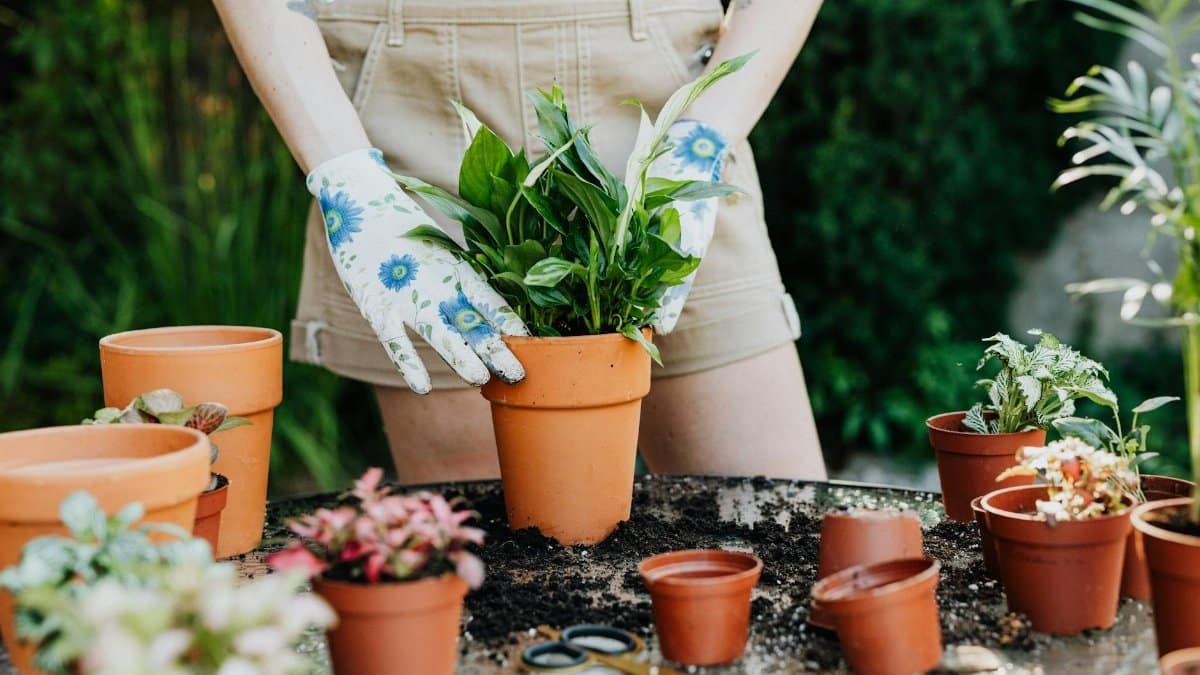
When Linda Hayes knelt in her backyard garden last April she had no idea that her hands in the soil would lead to improvements in her memory and focus. The 62 year old retiree from Ohio had taken up the trowel on a whim after her doctor suggested staying active. What she discovered was a powerful connection that scientists are now exploring in depth. Research on gardening cognitive health reveals that this humble pastime engages the brain in ways few other hobbies can match offering both immediate satisfaction and long range protection against mental decline.
Across the country middle aged adults like Hayes are trading screen time for seed packets. They are finding that the rhythm of planting watering and harvesting does more than yield vegetables. It appears to strengthen neural pathways sharpen attention and lower the stress hormones linked to cognitive wear. As spring arrives anew the evidence suggests that gardening cognitive health deserves a closer look from anyone concerned about staying mentally agile in the decades ahead.
Nature’s Quiet Workout for the Aging Brain

Gardening demands a unique combination of physical movement sensory awareness and problem solving. Unlike a treadmill session that mostly challenges the body this activity recruits multiple cognitive domains at once. Deciding which plants to place where calculating spacing and remembering watering schedules all activate regions of the brain associated with executive function and spatial memory.
Researchers have documented how these repeated mental tasks build cognitive reserve. Much like learning a new language or musical instrument regular time in the garden creates alternative neural routes that can help compensate if age related changes begin to appear. The Washington Post recently examined this phenomenon noting that participants in structured gardening programs showed measurable gains in memory tests after just three months.
Soil Microbes That May Lift Mood and Mind

One of the more surprising findings in recent science involves the bacteria living in garden soil. Mycobacterium vaccae a microbe commonly found in dirt has been shown in laboratory studies to influence brain chemistry. When inhaled or absorbed through the skin it appears to stimulate serotonin production and reduce inflammation linked to depression and cognitive fog.
This biological connection helps explain why so many gardeners report feeling calmer and clearer headed after spending time outdoors. The effect goes beyond fresh air and exercise. It represents a literal exchange between human biology and the earth itself. For middle aged adults navigating the hormonal shifts of perimenopause or andropause this natural mood support can prove especially valuable.
Memory Sharpens with Every Season

Gardening cognitive health benefits become particularly evident when tracking how participants remember complex sequences. Planning a garden requires holding multiple variables in mind: plant heights sunlight needs companion planting rules and harvest times. Each season adds new information that must be integrated with past experience.
A landmark study from the University of Chicago followed adults aged 55 to 75 who joined community garden programs. After two years the gardening group demonstrated significantly slower decline in verbal recall compared with a control group engaged in traditional indoor exercise. The researchers attributed the difference to the continuous learning and adaptation required in the garden. View the full findings here: Washington Post Wellness Report.
The Stress Response in Full Retreat

Chronic stress accelerates cognitive decline by flooding the brain with cortisol that can damage the hippocampus over time. Gardening appears to interrupt this cycle with remarkable efficiency. The combination of gentle physical activity focused attention and natural surroundings creates what psychologists call soft fascination a state that allows the mind to rest and recover.
Participants in horticultural therapy programs consistently show lower cortisol levels after garden sessions. Many report that the simple act of deadheading flowers or thinning seedlings provides a meditative focus that crowds out anxious thoughts. For professionals in their 50s carrying heavy work responsibilities this mental reset can become an essential tool for protecting long term brain health.
From Seed to Table: Purpose That Nourishes

Humans thrive on purpose and few activities deliver it as tangibly as growing food. The progression from tiny seed to ripe tomato offers a concrete narrative of competence and contribution. This sense of meaningful work activates reward centers in the brain that can diminish with age or retirement.
Community gardens have become especially powerful in this regard. Older adults who might otherwise feel isolated find themselves sharing knowledge mentoring younger members and contributing to collective harvests. These social bonds further reinforce cognitive health through conversation storytelling and shared problem solving.
Gardening as Moving Meditation

Many spiritual traditions emphasize mindful presence in everyday tasks. Gardening offers a perfect vehicle for this practice. The feel of cool soil between fingers the sound of water soaking into earth and the sight of new growth all anchor attention in the present moment. This quality of absorbed awareness mirrors formal meditation but adds the satisfaction of visible results.
Neuroimaging studies reveal that such focused attention strengthens the default mode network in ways that support emotional regulation and self reflection. For those exploring spirituality later in life gardening can become both a practical hobby and a path toward greater inner awareness. The repetitive motions combined with natural beauty create conditions remarkably similar to contemplative prayer or walking meditation.
Overcoming Common Barriers in Midlife

Many middle aged adults hesitate to start gardening citing bad backs limited space or lack of knowledge. Yet innovative solutions exist for nearly every obstacle. Raised beds eliminate much of the bending while container gardens thrive on balconies and patios. Local extension offices and online tutorials have removed traditional barriers to entry.
Even those with significant mobility challenges can participate through adaptive tools and seated gardening techniques. The cognitive benefits appear regardless of garden scale. A single windowsill herb garden still requires observation planning and care that stimulate mental acuity. The key lies in consistency rather than ambition.
What Recent Studies Actually Show

Beyond anecdotal reports the scientific literature on gardening cognitive health continues to strengthen. A 2024 meta analysis published in the Journal of Environmental Psychology reviewed 21 studies involving more than 3,800 participants. It found consistent moderate effects on executive function memory and psychological wellbeing across diverse populations.
Particularly encouraging were findings from Rush University Medical Center in Chicago. Adults who gardened at least twice weekly showed brain scan patterns resembling those of people five to seven years younger. While correlation does not prove causation the controlled trials increasingly suggest causation runs from garden to brain rather than the reverse. Additional research is available at National Institutes of Health database.
Stories of Real Transformation

Robert Chen a 57 year old software engineer from Seattle began gardening during the pandemic out of boredom. Within a year he noticed he no longer needed to check his phone constantly for reminders. His ability to focus during complex coding tasks had improved alongside his garden yields. Chen credits the daily observation of growth cycles with retraining his attention span.
Similar accounts emerge from book clubs turned garden clubs across the Midwest. Women in their late 40s and 50s describe sharper recall better sleep and renewed creativity. These personal testimonies align closely with the measurable data creating a compelling picture of gardening as genuine preventive medicine.
Building a Brain Healthy Garden Routine
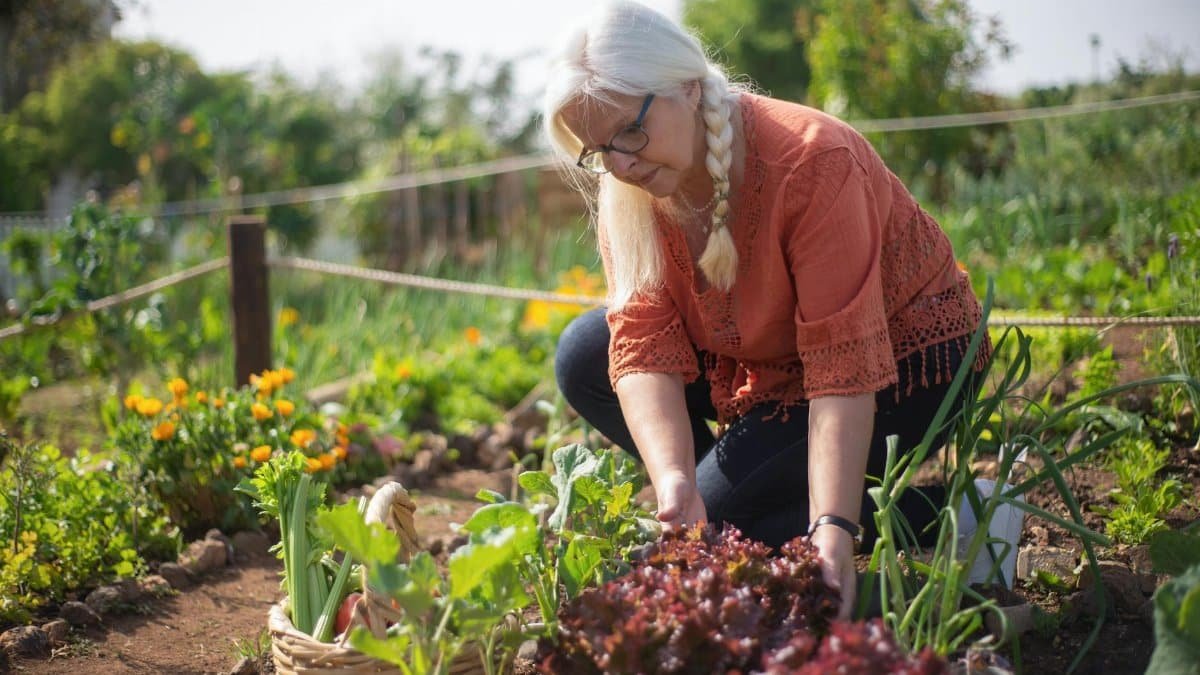
Starting small yields the best results. Begin with three or four easy plants that match your sunlight conditions. Keep a simple notebook to record observations. This documentation itself becomes a cognitive exercise that reinforces memory pathways. Visit the garden daily even if only for ten minutes of weeding or inspection.
Combine physical movement with mental engagement by trying new varieties each season or experimenting with companion planting. The learning curve keeps the brain active while the physical demands remain moderate enough to sustain over decades. Many experts recommend pairing gardening with social elements such as joining a local garden group to maximize benefits.
Looking Forward to Greener Minds

As our understanding of gardening cognitive health deepens it becomes clear that this activity offers a rare combination of pleasures and protections. It feeds the body delights the senses calms the spirit and strengthens the mind. In an era of expensive supplements and complicated brain training apps the solution may lie literally in our own backyards.
Spring planting season offers the perfect moment to experiment with these findings. Whether cultivating a few pots on a deck or transforming an entire yard the potential rewards extend far beyond the harvest. For those entering their middle decades with an eye toward vital aging few investments of time and effort promise such rich returns for both present joy and future clarity.
The evidence continues to accumulate. Gardening cognitive health represents more than a passing trend. It reflects a return to ancient wisdom about our connection to living systems and the healing power found in caring for them. As scientists refine their measurements and gardeners share their experiences this simple practice may well become a cornerstone of cognitive wellness in the years ahead.