
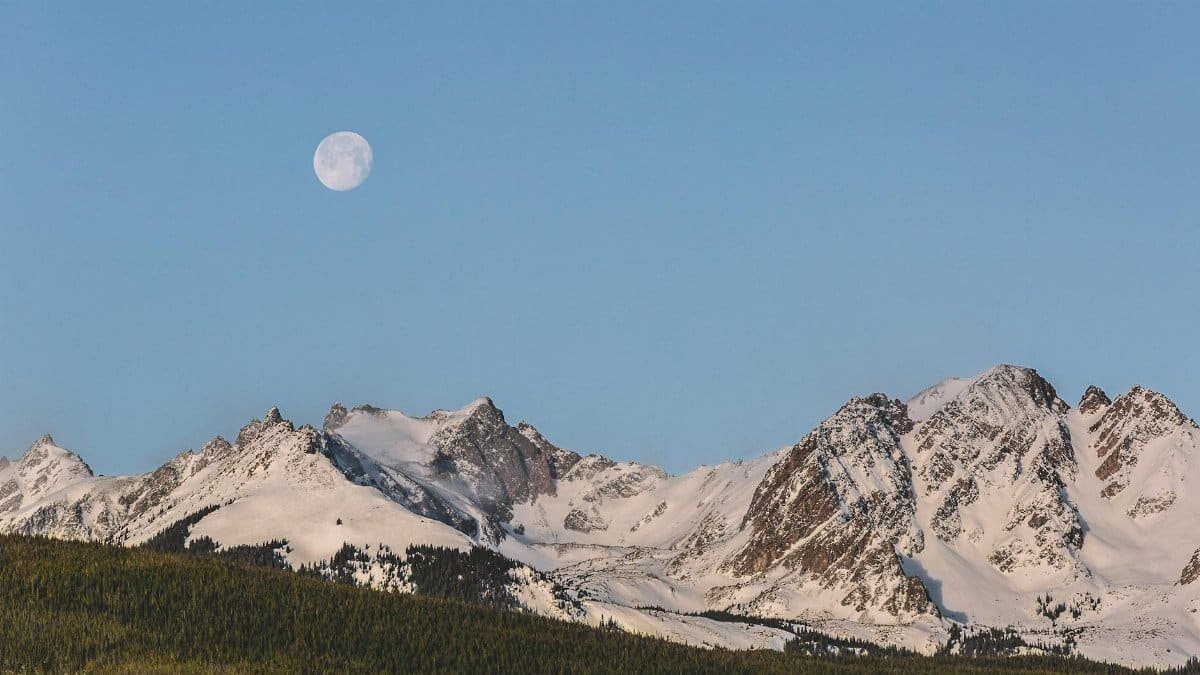
On February 1, 2026, the Full Snow Moon crested to its luminous peak, bathing night skies across the globe in a radiant glow that drew eyes upward everywhere from bustling cities to remote wildernesses. Dubbed the snow moon 2026 for the heavy snowfalls that often blanket winter landscapes, this full lunar spectacle delivered crisp, unobstructed views to stargazers in many areas. Its unusually close orbit to Earth, as noted by astronomers, intensified the moon’s brilliance, making it a standout event. Beyond the science, the occasion sparked cultural rituals, heartfelt storytelling, communal gatherings, and a surge in photography, all underscoring nature’s rhythmic cycles in a busy world.
The Timeless Name Behind the Glow

The moniker “Snow Moon” carries deep roots in the seasonal rhythms of winter, evoking images of thick, accumulating snows that transform the earth during the coldest months. This February full moon has long been associated with those heavy precipitations, a nod to how indigenous observations shaped lunar naming conventions long before modern calendars. As the snow moon 2026 unfolded, it embodied that tradition vividly, its light piercing through crisp night air to illuminate snow-covered terrains. For observers, the name wasn’t just poetic—it mirrored the real-world drama of winter’s persistence, turning a routine celestial rise into a symbol of endurance.
A Celestial Close-Up: Proximity to Earth
Astronomers were quick to point out the Snow Moon’s favorable positioning during its 2026 appearance, drawing nearer to our planet than usual and thereby magnifying its apparent size and luster. This proximity sharpened the moon’s glow against the velvet backdrop of space, creating moments of heightened drama for anyone glancing skyward. The effect wasn’t mere illusion; the reduced distance allowed more light to reach Earth, turning what might have been a standard full moon into a beacon that rivaled the stars. Such alignments remind us how delicate orbital mechanics can elevate ordinary nights into unforgettable ones.
Clear Views Ignite Stargazing Fever
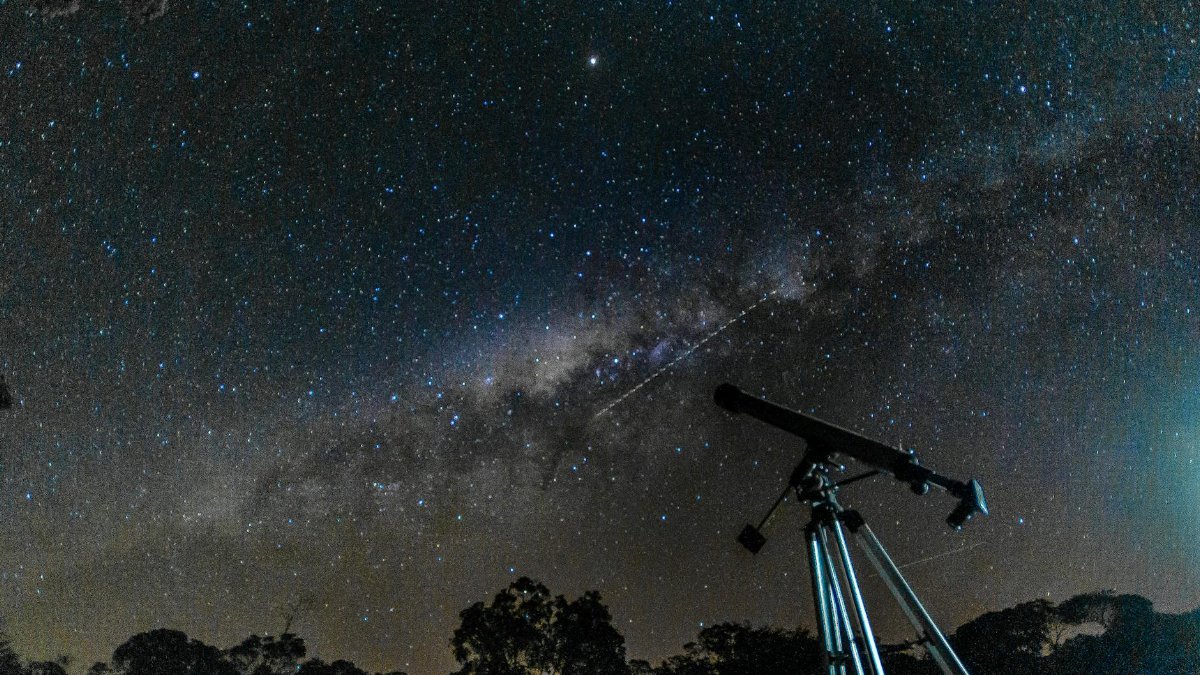
In regions blessed with clear skies, the snow moon 2026 offered stargazers unparalleled access to its full splendor, free from the haze of clouds or city lights in many spots. Amateur enthusiasts and seasoned skywatchers alike reported pristine conditions that made every crater and shadow discernible, fostering a sense of intimate connection with the cosmos. These optimal viewing windows encouraged people to step outside, telescopes in hand or eyes unaided, sharing the experience through apps and social feeds. It was a rare invitation to pause amid daily routines and marvel at the moon’s unyielding presence.
Cultural Echoes in Moonlit Rituals

The Full Snow Moon has always stirred cultural traditions, and its 2026 peak was no exception, prompting rituals and storytelling sessions that honored its glow. Across communities, elders and families gathered to weave tales of lunar lore, passing down narratives that link the moon to life’s ebbs and flows. These practices, rooted in reverence for the night sky, transformed the event into a communal anchor, where songs, dances, and quiet reflections celebrated the moon’s role as a constant witness to human stories. In an era of screens, such moments reaffirmed the moon’s timeless pull on our collective imagination.
Snapping the Perfect Shot: Photography Surge

Inspired by the snow moon 2026’s vivid display, photographers worldwide turned their lenses upward, capturing its ethereal light in ways that blended art and astronomy. From smartphone snapshots filtering across social media to professional astrophotography setups on tripods, the moon’s enhanced brightness due to its Earth proximity made framing the ideal image easier than ever. These visuals—silhouettes against snowy fields, reflections in icy lakes—poured in from every corner, turning personal hobbies into shared digital albums. The event underscored how accessible celestial wonders have become, democratizing the joy of immortalizing nature’s spectacles.
Gatherings That Lit Up the Night

The magnetic draw of the Full Snow Moon spurred gatherings far and wide, as friends, families, and strangers convened under its watchful eye on February 1, 2026. Bonfires flickered in backyards, observatories hosted public viewings, and parks filled with clusters of admirers bundled against the winter chill. These spontaneous assemblies fostered conversations about the stars, blending awe with camaraderie in a way that felt both primal and contemporary. As reported by Space.com, the moon’s global illumination created a unifying thread, knitting disparate lives together through shared wonder.
Nature’s Cycles in Sharp Relief

At its core, the snow moon 2026 served as a poignant reminder of nature’s inexorable cycles, the steady waxing and waning that govern tides, seasons, and time itself. Observers couldn’t help but reflect on how this winter sentinel heralded subtle shifts toward spring, even as snows lingered. Its bright assurance amid the dark offered perspective, echoing broader patterns from floral blooms to oceanic rhythms. In a world racing forward, the moon’s predictable arc invited contemplation, urging a slower gaze at the eternal dance of celestial and earthly forces.
Why This Moon Captured Hearts Worldwide
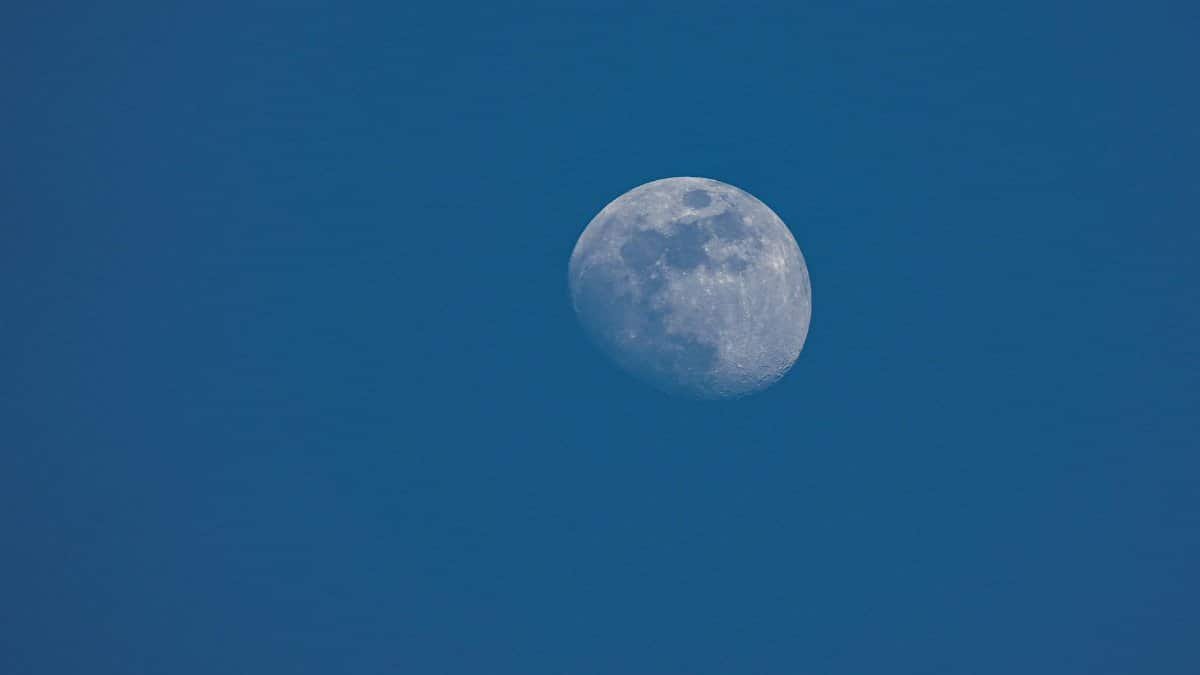
What elevated the snow moon 2026 beyond a routine full moon was its confluence of factors: the naming tied to winter’s poetry, the astronomers’ noted closeness amplifying its drama, and the clear skies enabling widespread appreciation. Together, they wove a tapestry of inspiration, from ritualistic homage to photographic fervor and heartfelt assemblies. This event, peaking so memorably on February 1, reaffirmed the moon’s power to bridge science and spirit, drawing humanity into nature’s grand narrative. As skies darkened once more, its glow lingered in memories, a testament to the simple magic of looking up.