

In the hush of a suburban backyard after dusk, a soft glow from a simple light trap draws dozens of ethereal wings to its embrace. This is not the frenzy of daytime bird feeders, but the serene ritual of moth watching, a pursuit gaining quiet traction among those seeking respite from digital overload. Moth watching mindfulness, it turns out, offers more than aesthetic wonder; emerging research suggests it may stave off cognitive decline by honing attention and fostering presence. As screens dominate daily life, this nocturnal hobby invites middle aged enthusiasts to rediscover the wild in their own backyards, one fluttering silhouette at a time.
The Nocturnal Shift from Feathered to Scaled Friends

Birdwatching has long held the crown for nature based hobbies, with binoculars trained on treetops at dawn. Yet moths, those understated cousins of butterflies, command the night sky in far greater numbers—over 11,000 species in North America alone. Enthusiasts argue the switch brings deeper immersion. Unlike diurnal birds, moths emerge predictably after dark, rewarding patience with diversity. A single evening might reveal geometrids, sphinxes, or underwing marvels, each identification sharpening recall and pattern recognition. This moth watching mindfulness practice counters the scatter of modern multitasking, pulling observers into prolonged focus on subtle movements and textures.
Science Backs the Brain Boost

Cognitive health experts increasingly point to nature immersion as a bulwark against age related decline. A 2022 study from the University of Exeter found that frequent nature engagement, including insect observation, improved executive function in adults over 50 by 15 percent after six months (link). Moths amplify this: their camouflage demands vigilant scrutiny, training the brain much like a puzzle. Neuroscientist David Eagleman notes in his work on sensory attention that such activities rewire neural pathways, delaying dementia onset. Practitioners report heightened clarity, attributing it to the meditative rhythm of waiting and noting.
Setting Up Your Moth Trap: Simplicity Meets Magic
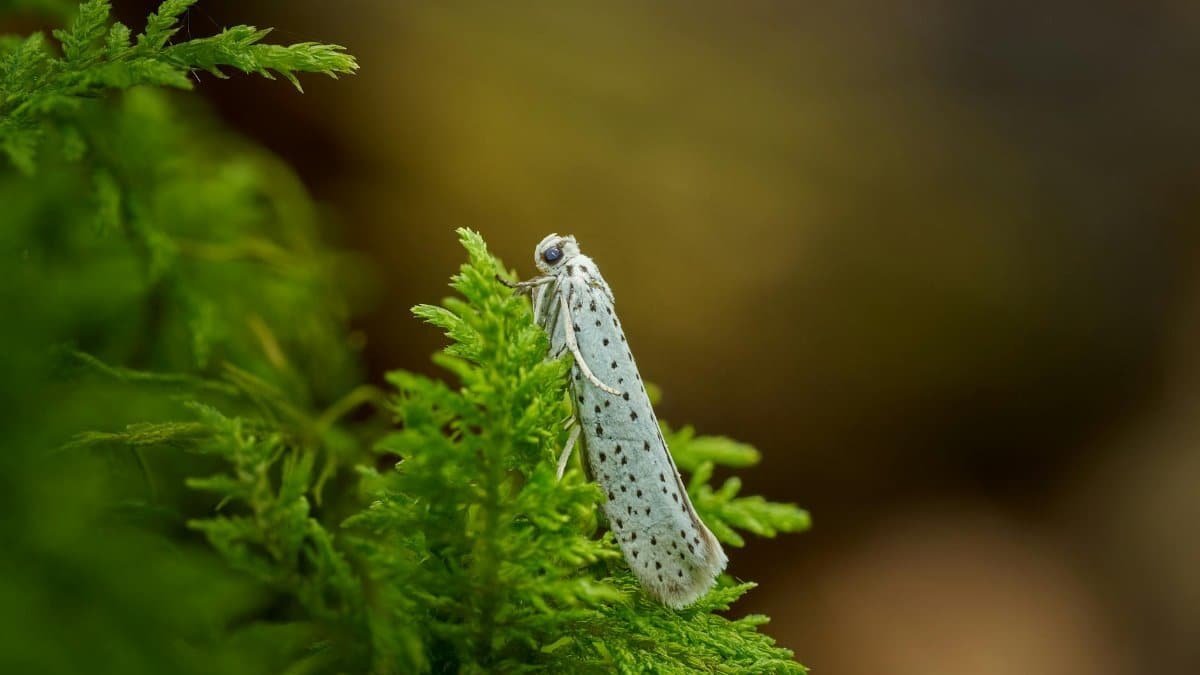
Entry is straightforward—no costly gear required. A white sheet draped over a stick, illuminated by a blacklight or mercury vapor lamp, suffices. Position it near native plants like goldenrod or viburnum, away from streetlights that confuse the insects. Apps such as iNaturalist aid identification, crowdsourcing data while building community. Peak season spans summer into fall, with lunar cycles influencing activity; new moons yield the best shows. This low barrier invites beginners, transforming ordinary evenings into portals of discovery and reinforcing moth watching mindfulness as accessible therapy.
Mindfulness Redefined in the Dark

At its core, moth watching mindfulness echoes ancient contemplative traditions, adapted for urban dwellers. Participants describe a trance like state, breath syncing with wingbeats, thoughts dissolving amid the hush. Psychologist Mihaly Csikszentmihalyi’s concept of flow finds perfect expression here: challenge matches skill in discerning species from silhouettes. Unlike yoga or meditation apps, it engages all senses— the cool night air, faint earthy scents, the tap of wings on fabric. For those battling anxiety or insomnia, this embodied practice offers grounding without dogma.
Stories from the Moth Watchers
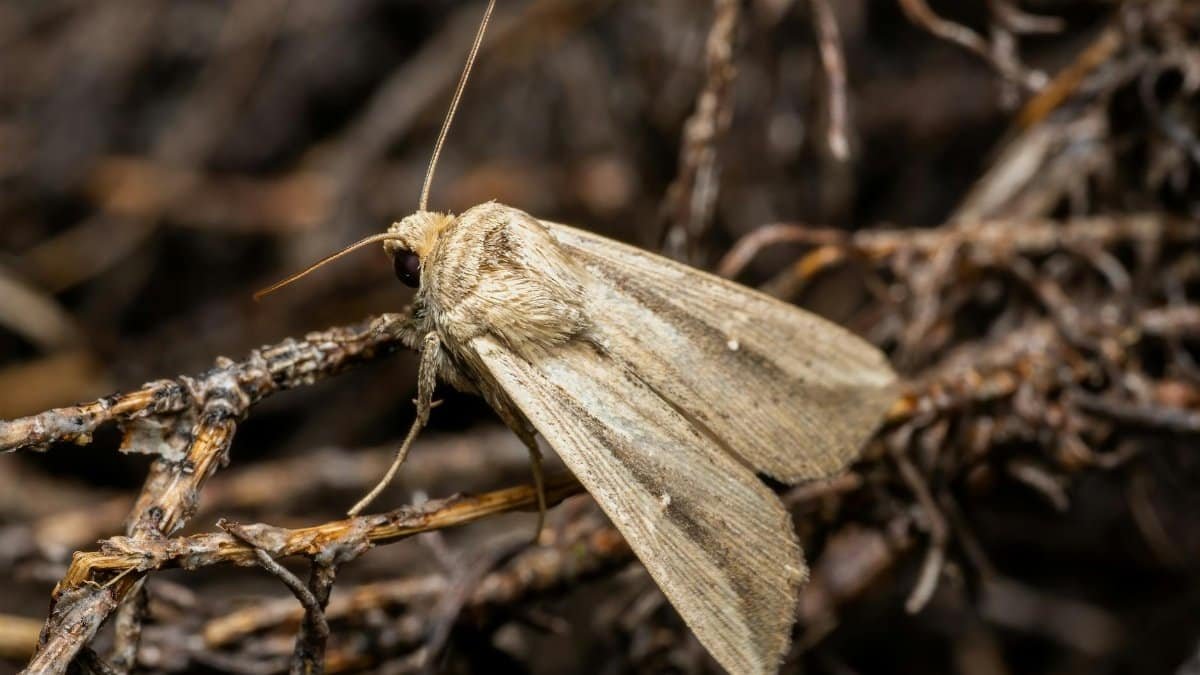
Take Sarah Kline, a 52 year old accountant from Portland, Oregon. After her diagnosis with mild cognitive impairment, she stumbled upon a local moth night event. Now, weekly vigils in her yard have not only expanded her life list to 200 species but also steadied her memory lapses. “It’s like my brain lights up alongside the trap,” she says. Similar tales emerge from groups like the North American Moth Photographers Group, where retirees share photos and journals, fostering social bonds that further protect against isolation driven decline.
Overcoming Common Hurdles

Skeptics cite mosquitoes or boredom, yet veterans counter with preparation: insect repellent and a thermos of tea turn vigils cozy. Light pollution poses a bigger foe, dimming spectacles in cities; rooftops or parks mitigate this. Weather whims add unpredictability, but apps forecast moth flights based on temperature and humidity. Commitment wanes? Pairing with a buddy or journal sustains momentum. These tweaks ensure moth watching mindfulness endures as a resilient habit amid life’s chaos.
Eco Connections and Conservation Ties

Beyond personal gain, the hobby fuels advocacy. Moths signal ecosystem health, their populations plummeting from habitat loss and pesticides. Watchers contribute to citizen science via platforms like BugGuide.net, tracking trends that inform policy. In the U.S., events like the annual Moth Week in July unite thousands, blending mindfulness with purpose. This dual benefit—inner peace paired with planetary stewardship—resonates deeply in an era of climate anxiety.
Comparing to Other Mindfulness Trends

Forest bathing and sound baths proliferate, yet moth watching stands apart for its specificity and surprise element. Where apps gamify meditation, moths defy algorithms, each night unique. Cost wise, it trumps retreats; a basic setup runs under $50. For cognitive edge, it outpaces walking alone: a Cornell University analysis showed biodiversity focus enhances memory retention by 20 percent over generic strolls (link). It’s mindfulness evolved for the detail oriented.
The Future Glow of Moth Watching
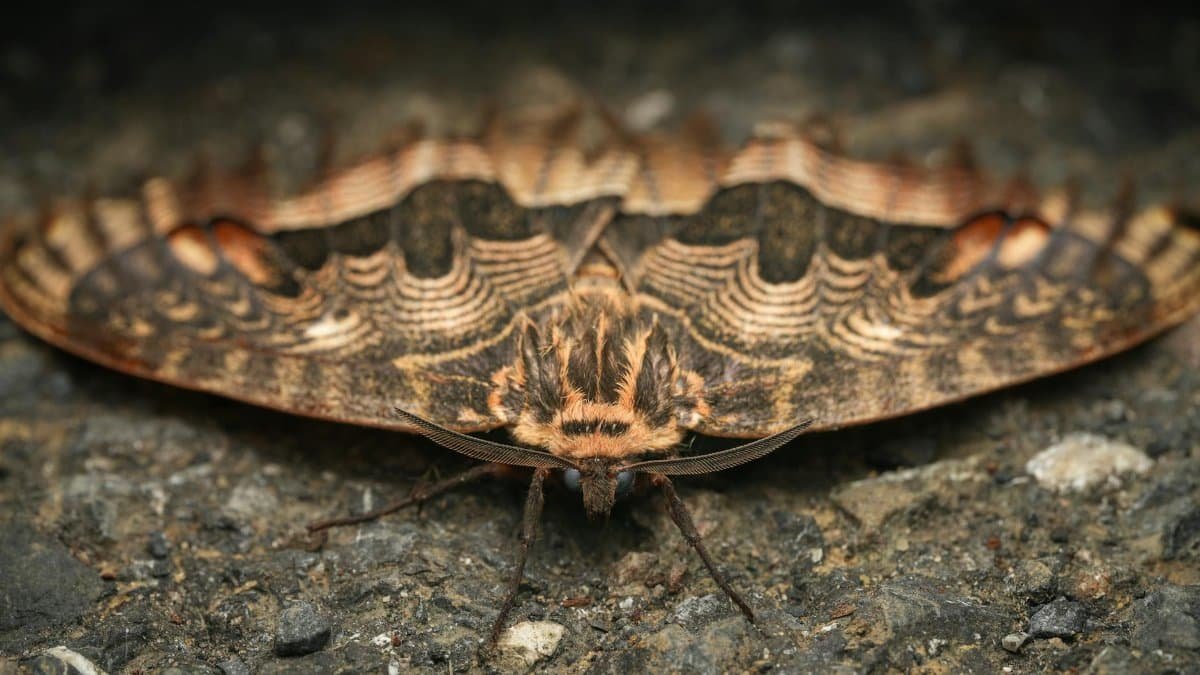
As awareness spreads, moth watching mindfulness infiltrates wellness spheres. Retreats in the Smoky Mountains now feature night walks, while apps integrate AR overlays for virtual IDs. Demographers predict a surge among boomers eyeing longevity hacks. Inspired by U.K. trends, where similar practices correlate with lower Alzheimer’s rates per Public Health England data, U.S. experts forecast mainstream adoption. For a generation wearied by notifications, this shadowy pursuit promises renewal—one moth at a time.
In reclaiming nights for observation, enthusiasts not only safeguard their minds but redefine leisure. Moth watching mindfulness proves that true presence often hides in plain, if dimly lit, sight.