
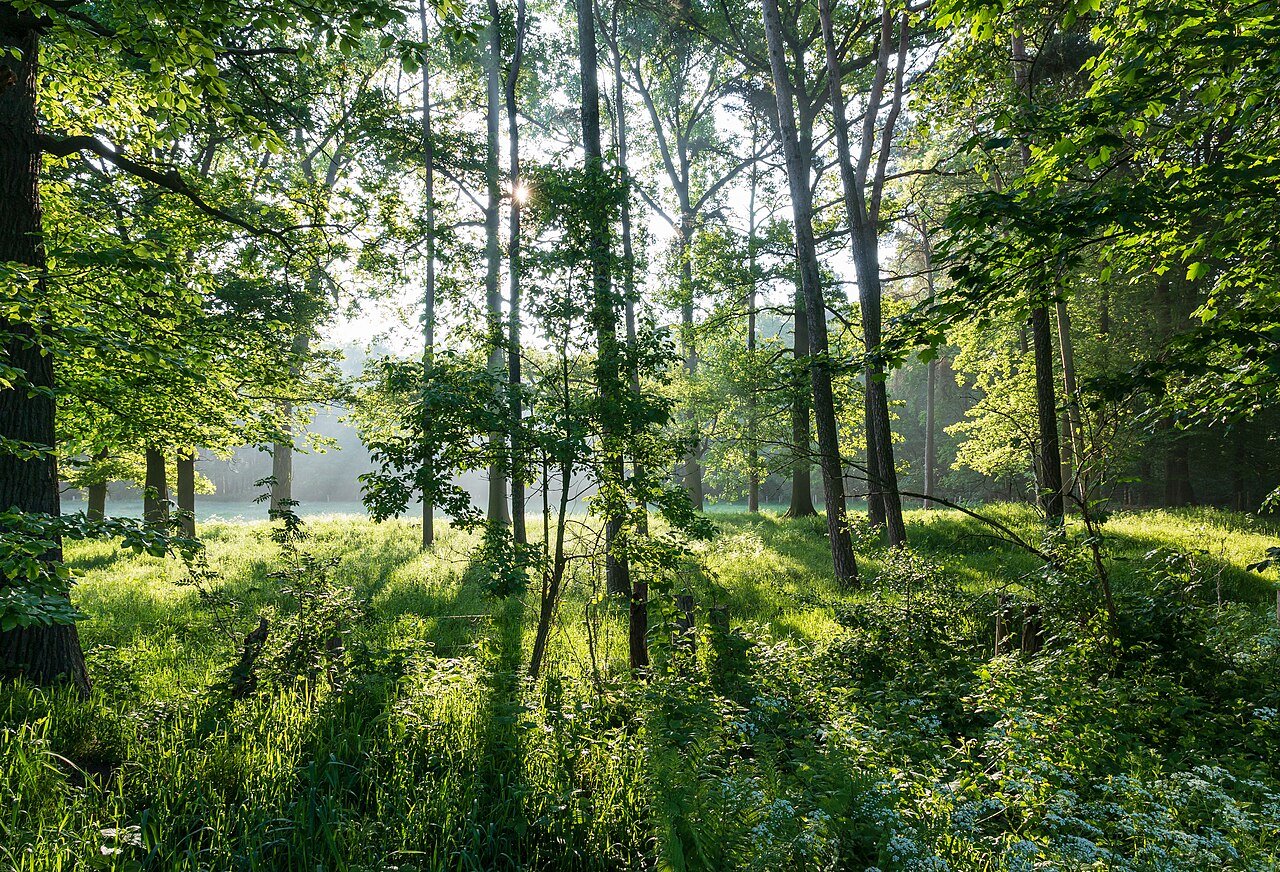
There is a kind of forgiveness that cannot be rushed or forced—only received. It is the slow, quiet kind that emerges when we stop struggling against our pain and simply lie down with it, allowing time and the earth to hold what we cannot yet hold ourselves. The forest floor offers this lesson better than any teacher I know. Soft with fallen leaves, moss, and decay, it receives everything without judgment: broken branches, withered petals, the bodies of small creatures returned to soil. Nothing is rejected; everything is transformed. In this gentle, unhurried composting, the forest teaches us the deepest form of forgiveness—toward ourselves, toward others, toward life itself.
For those walking the healing path—whether from childhood wounds, relational betrayal, grief, burnout, or trauma—the forest floor becomes a living metaphor and a literal sanctuary. It reminds us that healing is not about erasing what happened, but about allowing what happened to become part of a larger, richer soil from which new growth can emerge.
The Ground Beneath Us: Learning to Be Held
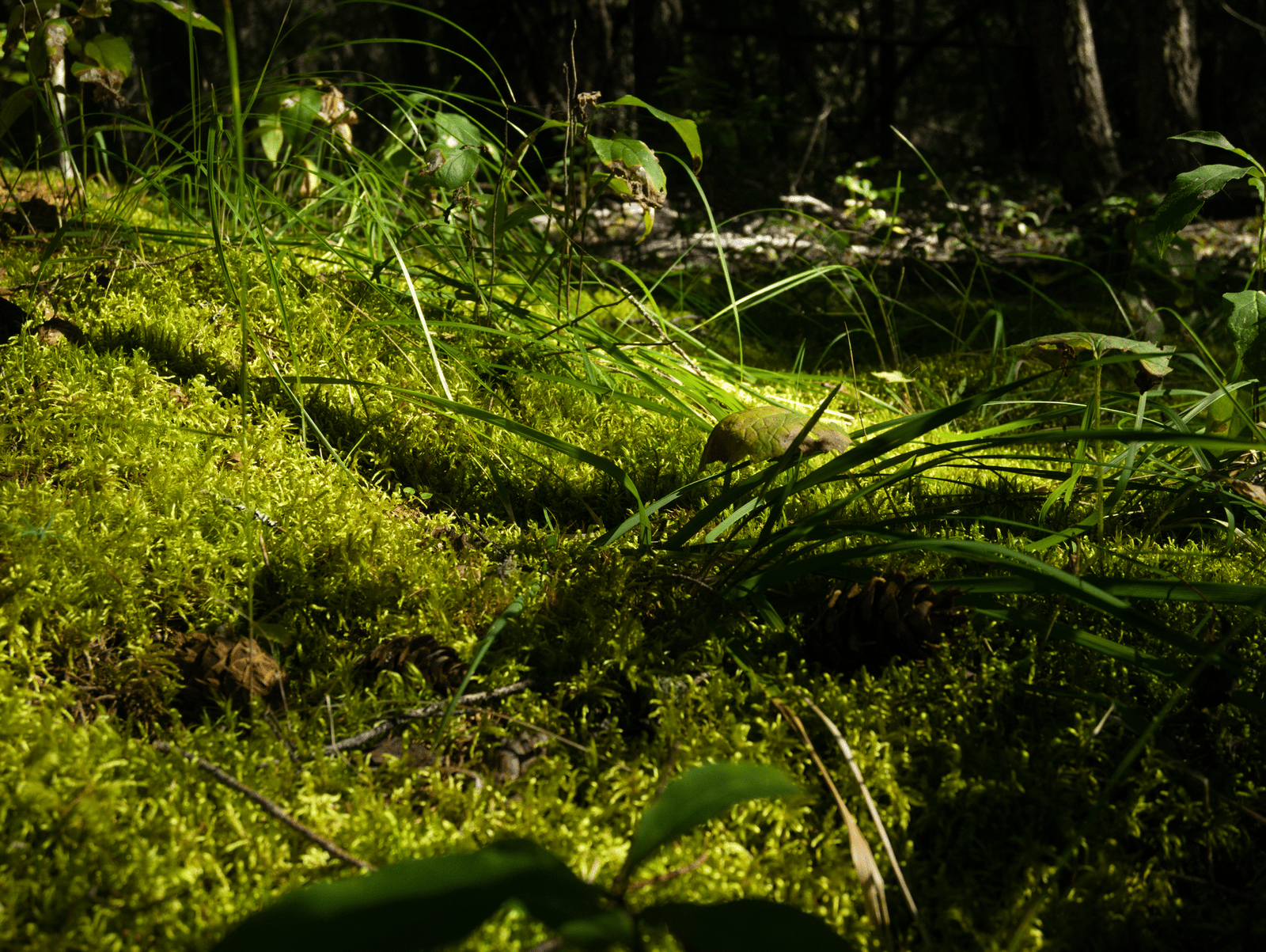
One of the first and hardest lessons of healing is that we do not have to carry everything alone. The forest floor offers a radical kind of permission: you may lie down. You may rest your full weight. You may stop performing strength for a moment.
Many trauma survivors describe a persistent sense of not being allowed to rest—hypervigilance keeps the body braced, the mind scanning, the heart guarded. Yet when we physically lower ourselves to the earth—sitting against a tree, lying on a blanket of leaves, or simply placing palms on moss—the nervous system registers a profound shift. Gravity becomes an ally. The ground holds us without asking for anything in return.
Scientific studies on ecotherapy and forest bathing (shinrin-yoku) confirm what the body already knows intuitively: direct contact with the earth reduces cortisol, lowers blood pressure, and increases parasympathetic activity—the “rest and digest” state essential for emotional processing. More than biology, though, there is a spiritual recognition: the earth has been receiving pain and loss for millennia. Your sorrow is not the first, nor will it be the last. In that vast continuity, we find both humility and relief.
The Wisdom of Decay: Letting Go Without Erasing
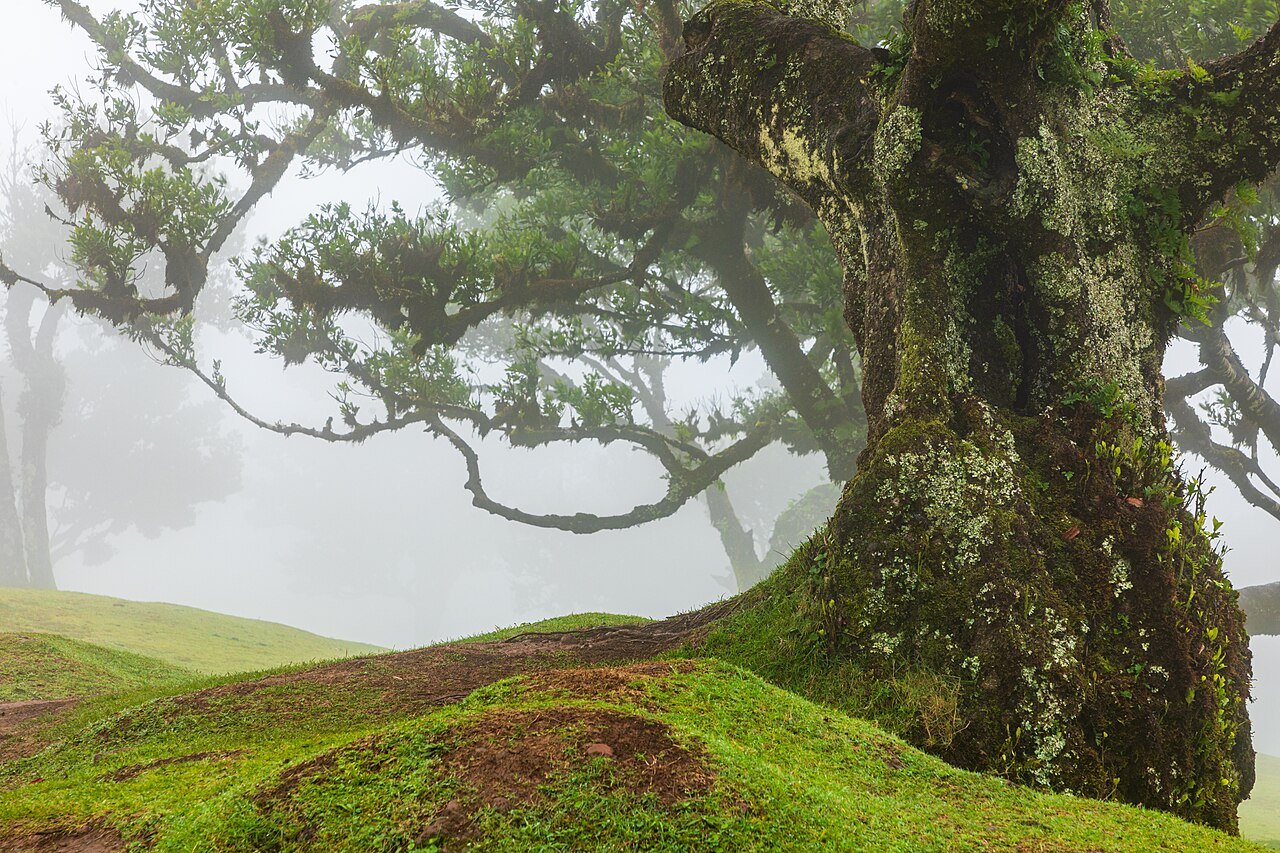
Forgiveness often feels impossible because we confuse it with forgetting or condoning. The forest floor teaches a different truth: nothing needs to be erased for transformation to occur.
Leaves fall, rot, become humus. Dead wood softens into soil. Even the hardest pinecones eventually break open and release their seeds. Decay is not destruction—it is preparation. The forest does not hurry the process; it simply provides the conditions: moisture, darkness, time.
When we sit with old pain on the forest floor, we can begin to practice this same patience with our own decay—the shame, rage, regret, or numbness that still lingers. We do not have to “get over it” today. We can simply let it lie beside us, softening slowly. Many people find that placing a hand on the earth while naming a difficult feeling (“this is the anger I carried for twenty years”) creates a visceral sense of being witnessed without being asked to change.
Over time, this mirroring allows something tender to happen: we stop fighting the parts of ourselves we once deemed unacceptable. We begin to see them as compost—painful, yes, but also rich with potential for new life.
The Slow Unfolding: Trusting Invisible Growth

Healing from deep wounds rarely looks dramatic. There are no sudden breakthroughs for most of us—just quiet shifts, small openings, moments of unexpected tenderness. The forest floor models this perfectly.
Beneath the visible layer of leaves and twigs, mycelial networks stretch for miles, quietly sharing resources, warning of danger, supporting the weakest trees. Growth happens out of sight. A seed may lie dormant for years before conditions are right; then one day it breaks through.
When we rest on the forest floor, we are invited into this same trust. We do not have to see progress to know it is happening. We do not have to force blooming. Simply staying in contact with the earth—through regular walks, sitting practice, or lying down for even a few minutes—creates the conditions for invisible roots to deepen.
Many survivors report that after months of returning to the same forest spot, they notice subtle changes: they can breathe more deeply, they cry more easily, they feel less alone. The forest has been holding steady while their inner system slowly recalibrates.
Practices for Forest Floor Forgiveness

Here are a few gentle ways to engage with this teaching: The Lying-Down Practice Find a safe, flat spot. Place a blanket or jacket beneath you. Lie on your back, arms open, palms up. Let gravity take the weight of your body. Breathe slowly. When emotions or memories arise, imagine them sinking into the earth like rain into soil. Whisper (aloud or silently): “You can rest here. I don’t have to carry you alone anymore.” Naming & Offering Collect a small object from the forest floor—a leaf, a twig, a stone. Hold it in your hand and name something you are ready to offer to the earth: “This is the shame I carried from childhood.” Place the object on the ground. Leave it there. Let the forest receive it. Mycelial Meditation Sit with your back against a tree. Close your eyes. Imagine your breath connecting to the tree’s roots, then to the mycelial web beneath. Feel yourself part of a larger network of support. This practice can be especially soothing for those who feel isolated in their pain. Walking Forgiveness Walk slowly through the forest. With each step, silently say: “I forgive myself for not knowing better then.” Or name someone else and offer: “I release what I can release.” Let the rhythm of walking and the soft ground beneath you carry the words.
Returning to the World with Forest Wisdom
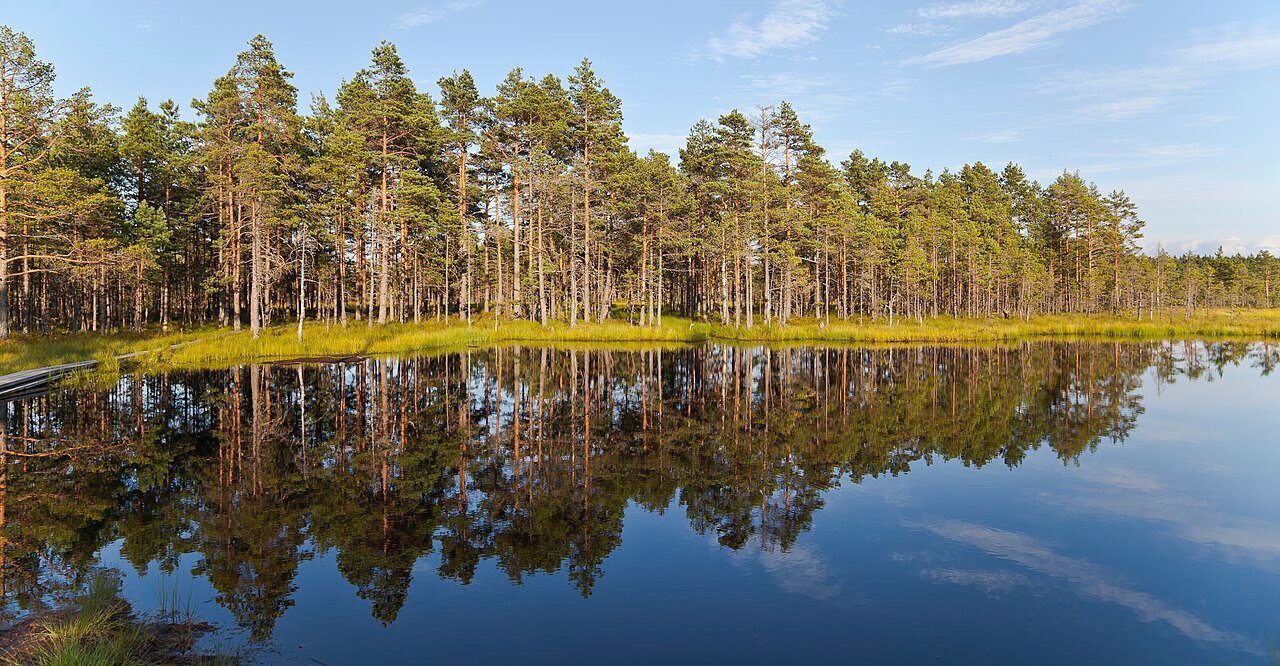
The forest floor does not ask us to stay forever. It simply asks us to rest long enough to remember we are held. When we rise, we carry its teaching with us: forgiveness is not a single act but a continual softening, a willingness to let life decompose what is finished and nourish what wants to grow.
This does not mean the pain disappears. Scars remain, just as fallen trees leave their traces in the soil. But the relationship to the pain changes. It becomes less a prison, more a nutrient-rich layer in the larger ecology of our lives.
So go to the woods when you can. Lie down. Let the earth hold you. Let decay do its quiet work. Let forgiveness arrive—not as thunder, but as moss spreading slowly over stone.
In the end, the forest floor asks only one thing: that we stop running long enough to be received.