

Florida is making a bold move to transform classroom environments with the new florida calm corner law, mandating designated relaxation spaces in every public school by fall 2026. This groundbreaking legislation requires each classroom to feature a bean-bag chair, dim lighting, and an emotion-regulation chart, aiming to give students a safe spot to de-escalate and refocus. Backed by promising pilot data and significant state funding, the initiative is already sparking debate about its potential to reshape student behavior and academic outcomes across the state.
The Core of the Florida Calm Corner Law

At its heart, the florida calm corner law seeks to address rising behavioral challenges in public schools by creating dedicated spaces for emotional regulation. Signed into effect this year, the law stipulates that every classroom must establish a “calm corner”—a small area equipped with a bean-bag chair for comfort, dim lighting to reduce sensory overload, and a chart to guide students through identifying and managing their emotions. The goal is to provide a structured yet soothing environment where students can step away from stress or conflict without leaving the classroom.
Pilot Data Fuels Optimism

The push for this legislation stems from compelling early results. According to the Florida Department of Education (DOE), pilot programs in select districts showed a 40% reduction in discipline referrals when calm corners were implemented. These spaces allowed students to self-regulate, cutting down on disruptions and the need for punitive measures. While the data is preliminary, it suggests that giving students a physical space to cool off could have a measurable impact on classroom dynamics, a finding that has caught the attention of educators statewide.
Funding the Rollout

To ensure schools can meet the fall 2026 deadline, the state has allocated $45 million for the initiative. This funding will cover the cost of materials—bean-bags, lighting fixtures, and emotion charts—as well as training for teachers on how to integrate calm corners into daily routines. The DOE emphasizes that the investment is not just about physical setups but also about fostering a cultural shift toward proactive emotional support in education. Schools in underfunded districts are prioritized for early disbursements to level the playing field.
University of Florida Steps In

To gauge the long-term effects of the florida calm corner law, the University of Florida has been tasked with conducting a comprehensive evaluation. Researchers will track changes in learning outcomes, student engagement, and behavioral trends over the next few years. Their findings, expected to be published periodically, will help determine whether calm corners genuinely improve academic performance or if adjustments to the program are needed. This academic oversight adds a layer of credibility to the state’s ambitious experiment.
Why Calm Corners Matter Now

The timing of this law aligns with growing national concern over student mental health, especially post-pandemic. In 2025, schools across the U.S. are grappling with increased anxiety and behavioral issues among students, as noted in reports from organizations like the Centers for Disease Control and Prevention (CDC). Florida’s approach offers a tangible intervention, focusing on in-classroom solutions rather than external counseling alone. Supporters argue that calm corners could serve as a model for other states if proven effective.
Challenges on the Horizon

Despite the optimism, implementing calm corners statewide won’t be without hurdles. Some educators worry about space constraints in overcrowded classrooms, questioning how small schools can carve out dedicated areas. Others raise concerns about consistency—will every teacher use the corners effectively, or could they become neglected over time? The DOE acknowledges these issues and plans to provide ongoing support through workshops and feedback mechanisms to ensure the program doesn’t falter after the initial rollout.
Potential Impact on Students and Teachers
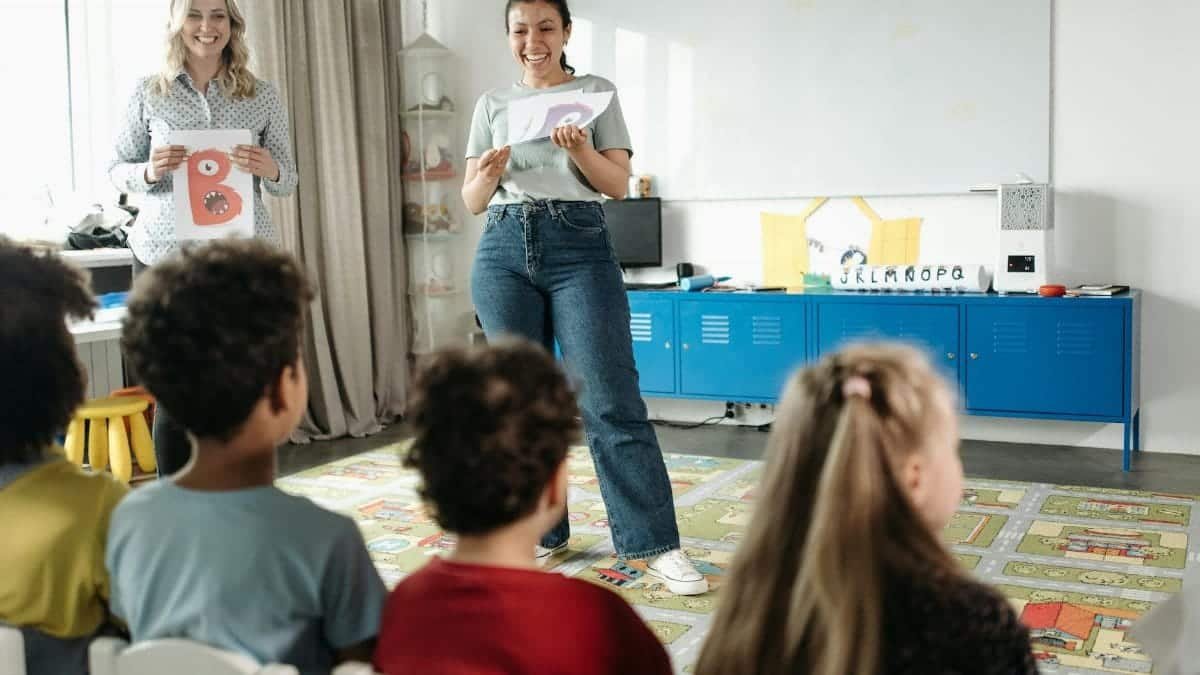
If successful, calm corners could redefine how behavioral issues are managed in Florida’s public schools. A 40% drop in discipline referrals, as seen in the pilot, could translate to less stress for teachers and more instructional time for students. Beyond numbers, the spaces might foster a greater sense of emotional safety, encouraging kids to express and manage feelings constructively. Teachers, too, may benefit from a tool that reduces classroom conflict without resorting to traditional disciplinary measures.
Looking Ahead to 2026

As the fall 2026 deadline approaches, all eyes are on Florida’s public schools to see how this innovative law unfolds. The state’s $45 million commitment and partnership with the University of Florida signal a serious effort to make calm corners a lasting fixture. For now, the pilot data offers hope, but the real test will be in the day-to-day experiences of students and educators. Additional insights on student mental health strategies can be found through resources like the Pew Research Center, which tracks broader trends in youth well-being.