
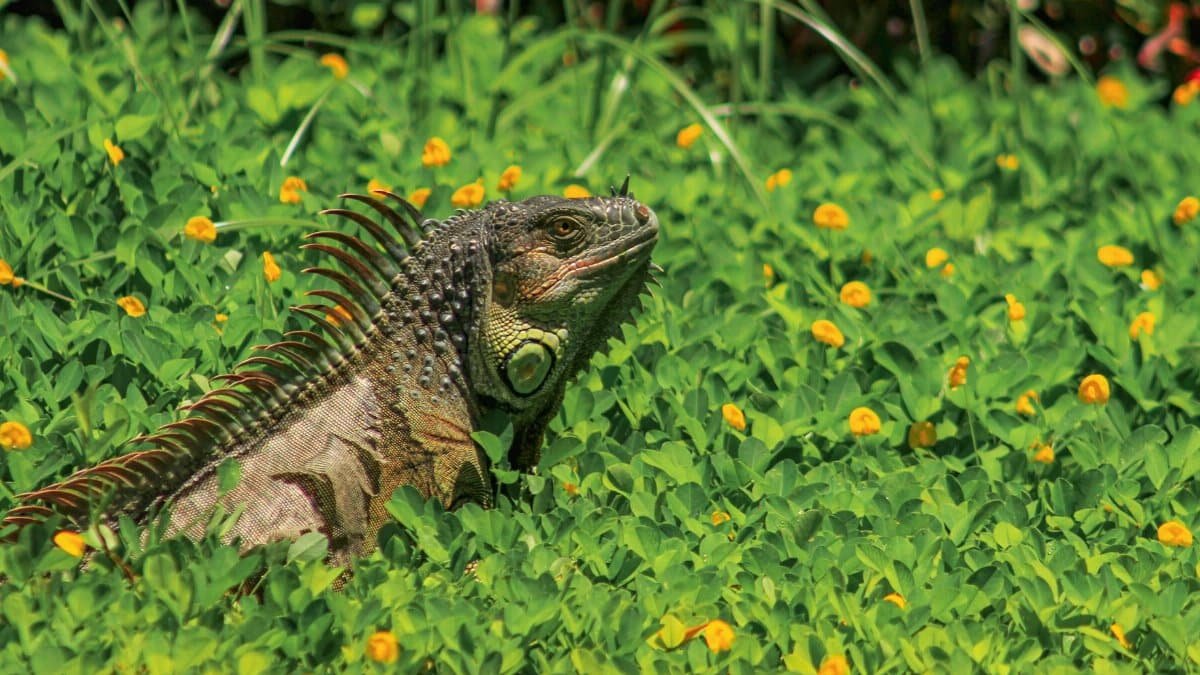
A local man in Florida has captured the internet’s imagination by transforming stunned iguanas into dinner. Amid the state’s notorious “falling iguana” crisis during a recent freeze, he posted a recipe for “Frozen Iguana Tacos,” sparking viral buzz. iguana tacos florida now symbolize quirky survival cuisine, blending pest control with culinary creativity. Only in Florida, where cold snaps send invasive reptiles tumbling from trees, has this idea taken off online. The February 10, 2026, post highlights how locals are tackling nature’s oddities head-on.
The “Falling Iguana” Phenomenon
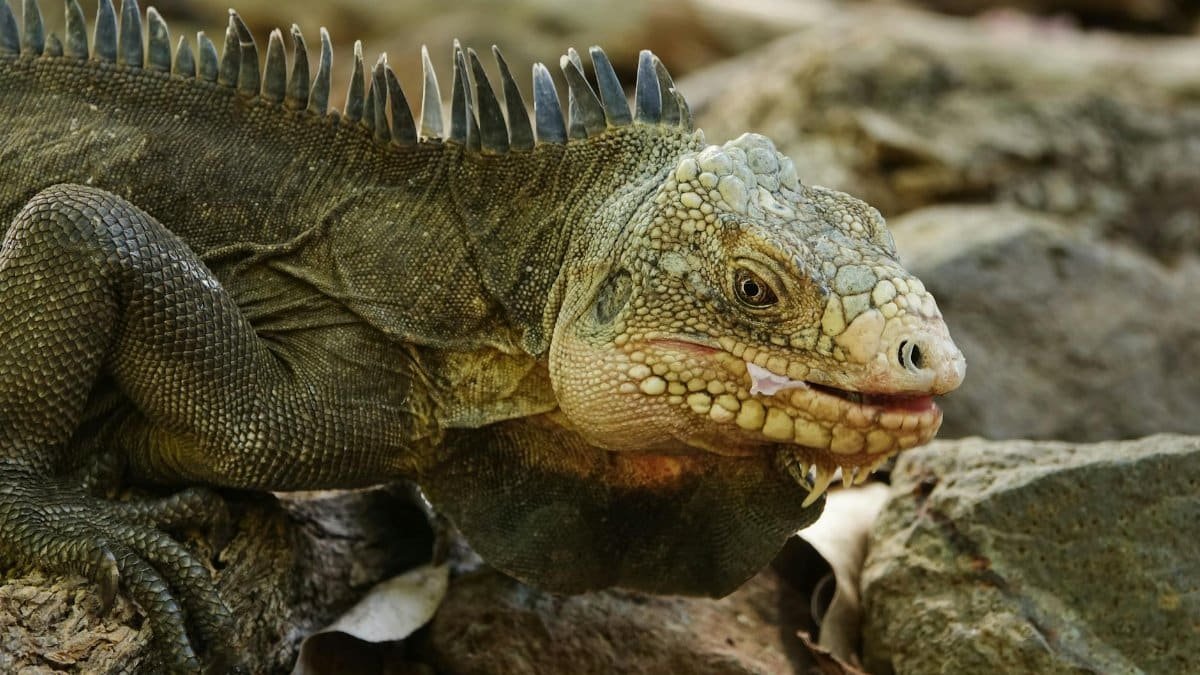
Florida’s subtropical climate rarely dips into freezing territory, but when it does, iguanas pay the price. These invasive green iguanas, non-native pests from Central and South America, become immobilized in cold weather. They drop from trees and power lines, creating a bizarre “falling iguana” crisis. The summary captures this perfectly: stunned lizards litter the ground, easy pickings for opportunistic residents. This event turns a nuisance into a resource, as the man did by harvesting them for tacos. Wildlife experts note iguanas thrive year-round otherwise, damaging landscapes and outcompeting natives. During freezes, they become fair game.
Florida’s Unique Freeze Challenges

Winter cold snaps hit Florida hard, especially in 2026’s unpredictable weather patterns. South Florida, home to dense iguana populations, sees the worst. Trees heavy with the reptiles empty out as temperatures plummet below 45°F, leading to mass falls. The viral recipe emerged precisely during such a freeze, when iguanas froze solid—perfect for processing. This “only in Florida” scenario underscores the state’s wild intersection of tropical vibes and occasional Arctic blasts. Locals have long joked about iguana rain, but this man made it edible.
For context on iguana biology and cold sensitivity, see the Florida Fish and Wildlife Conservation Commission profile.
A Local Man’s Bold Move

Enter the unnamed local hero. Faced with falling iguanas blanketing his area, he didn’t just complain. He innovated. By posting a full recipe for “Frozen Iguana Tacos,” he flipped the crisis into a meal plan. The approach: collect the stunned animals, thaw and prepare them like chicken or fish. His post, dated February 10, 2026, exploded online, drawing laughs, shares, and recipe trials. This embodies Florida’s DIY spirit—turning invasive overpopulation into dinner plates.
The Recipe Behind the Virality

“Frozen Iguana Tacos” sounds outlandish, but the man broke it down simply. Start with fallen, frozen iguanas—naturally chilled by the freeze. Clean, thaw, and season the meat, which mimics white fish in texture. Grill or fry with spices, lime, and tortillas for tacos. His instructions emphasize safety: remove heads, feet, and skin properly. No exotic ingredients needed—just Florida’s free-falling bounty. The recipe’s straightforwardness fueled its spread, positioning iguana tacos florida as accessible pest cuisine.
Viral Spread Across Social Media

What began as one man’s post snowballed into national chatter. Platforms lit up with reactions to the iguana tacos florida phenomenon. Memes, videos of falling lizards, and copycat recipes followed. The “only in Florida” tag amplified it, resonating with audiences who know the state’s reputation for eccentricity. By February 10, 2026, shares hit viral status, spotlighting practical iguana management. Online buzz highlighted sustainability: eating invasives reduces ecological damage without waste.
Invasive Iguanas as a Statewide Issue
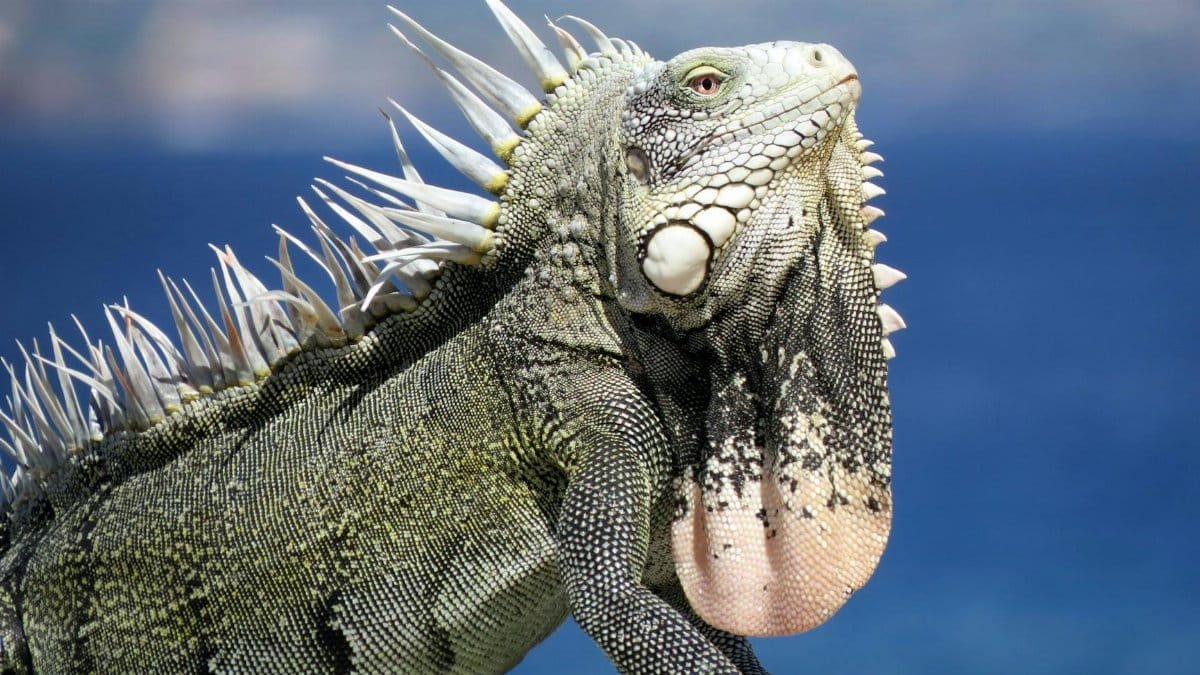
Green iguanas overrun Florida, burrowing in yards, eating crops, and clogging canals. State agencies encourage removal, as they’re not protected. The falling crisis during freezes offers a humane harvest window—iguanas recover if temps rise, but many don’t. This man’s tacos tap into that, promoting consumption over extermination. iguana tacos florida thus doubles as environmental activism, turning headaches into hot sauce-topped solutions.
Details on iguana management and legality in Florida are available via the FWC’s green iguana resources.
Culinary Twist on Pest Control

Beyond memes, the recipe sparks real discussion on edible invasives. Iguana meat is lean, high-protein, and legal statewide. The freeze provides pristine, frozen specimens—no refrigeration needed initially. Tacos make it approachable, masking any gamey notes with bold flavors. This viral hit proves Florida locals lead in adaptive eating, especially amid 2026’s freeze events. It challenges diners to rethink “pests” as protein.
Why It Resonates Nationwide

The story transcends Florida. Viral posts remind America of the Sunshine State’s surreal wildlife tales—from alligators in pools to now, taco-ready iguanas. The man’s ingenuity celebrates resourcefulness, appealing in tough economic times. As iguana tacos florida trends, it spotlights climate quirks: warmer winters boost invasives, rarer freezes stun them. His February 10 post cements a new chapter in Florida lore—dinner from the sky.