
On a weeknight in Austin, the chatter in political circles still circles one marquee matchup, the Senate contest that has already drawn national money and national nerves. That focus is understandable. It is also incomplete. A Texas 2026 races editorial that looks past the brightest lights finds a thicker story: control of the governor’s office, the state’s legal machinery, the legislative calendar, a redrawn congressional map, and the posts farther down the ballot that decide how laws actually land in classrooms and courtrooms. The idea that the governor’s race may matter more than the Senate contest is less a provocation than a reminder. Texas does not govern itself from one federal seat. It governs itself through a stack of offices most readers will meet only on the longest part of the ballot.
The Senate fight is real, and it is not the whole state
James Talarico and Ken Paxton, or whoever finally occupies those lanes, will command cameras for a reason. A Senate seat is a national prize. It shapes judicial confirmations, spending fights, and the mood of a party that treats Texas as both fortress and obsession. Donors from outside the state already know the names. Cable panels will repeat them until the syllables feel like weather.
Still, a senator does not sign a Texas budget, appoint the boards that regulate utilities and schools in the same way a governor does, or set the calendar inside the state Senate. Treating the federal race as the only verdict on Texas politics flatters Washington and shortchanges Austin. Readers who care about hospitals, property taxes, immigration enforcement at the state level, or the culture of public campuses will feel those choices closer to home than any speech on the Senate floor.
Why the governor’s office may outweigh the brighter headline

This Texas 2026 races editorial starts from a simple hierarchy of power. The governor appoints, vetoes, calls special sessions, and becomes the face of the state when disaster or scandal arrives. In a state this large, that face is also an economic signal. Companies, universities, and city halls read the mansion as a forecast.
A Senate campaign can be won on national identity. A governor’s campaign is harder to detach from roads, blackouts, border logistics, and the price of staying in a growing metro. If the governor’s race tightens, it will not be because pundits suddenly discovered nuance. It will be because voters can name a bill, a storm, or a school fight that touched their block. That is a different kind of politics, less viral and more consequential.
The Chronicle’s emphasis on the governor’s contest over the Senate fight captures that hierarchy without pretending the federal race is trivial. Both matter. They do not matter in the same way, and pretending they do is how national coverage misses the state.
The attorney general’s race is a theory of government
If Paxton leaves the attorney general’s office for a Senate bid, the vacancy is not a footnote. The office has become a national litigation shop, filing suits that test federal rules on immigration, energy, and social policy. Whoever holds it decides which fights Texas picks and which ones it declines.
That choice has a moral weight that campaigns rarely admit. Lawsuits are not only tactics. They are statements about whom the state is willing to spend public time defending. Voters who never attend a rally still live with the results: a rule delayed, a program blocked, a local official suddenly unsure what the law allows on Monday morning. Watching only the Senate contest and ignoring the legal office is like watching the play and skipping the script.
The lieutenant governor still runs the room that writes the bills
Texas insiders have long treated the lieutenant governor as a premier power, sometimes more than the governor, because the office controls the state Senate’s agenda. Bills live or die on that calendar. Priorities that never receive a hearing never become law, no matter how loudly a campaign promised them.
National readers underweight this race because the title sounds ceremonial. It is not. Education policy, election administration, property tax deals, and social legislation often turn on whether a measure gets a vote before the clock runs out. A Texas 2026 races editorial that skips the lieutenant governor is an editorial about personalities, not about statutes. The statutes are what remain after the rallies end.
Congress will be fought on maps voters did not draw at the kitchen table
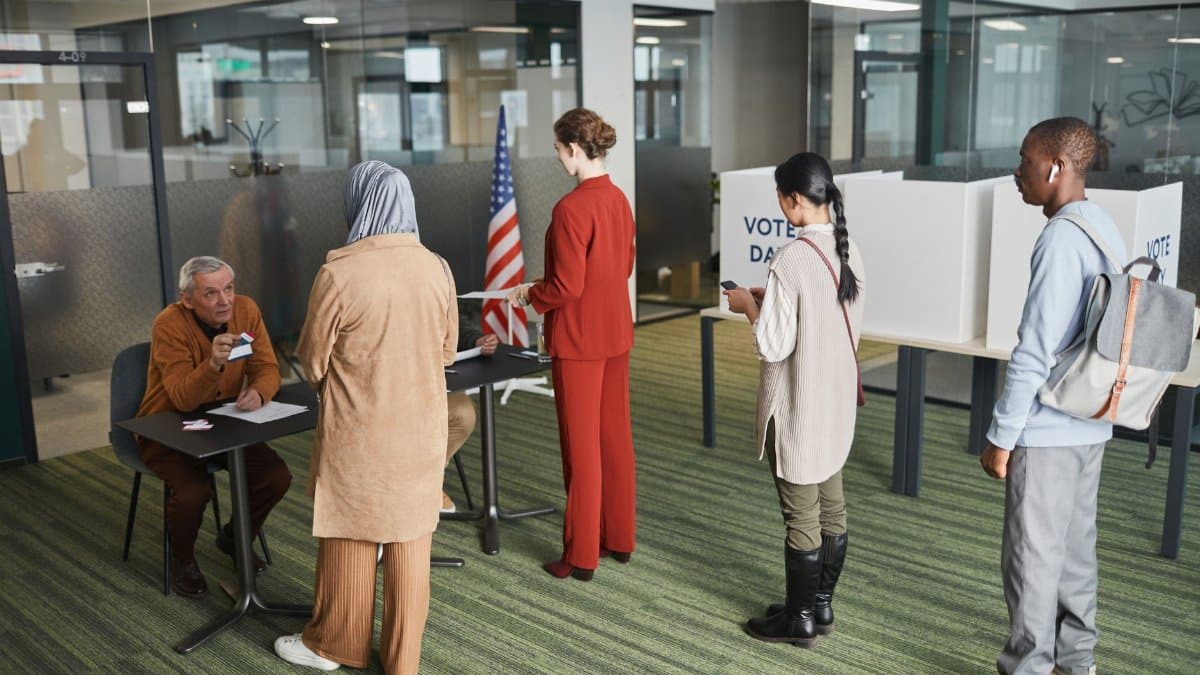
Several U.S. House seats will matter as much for the national balance of power as any single statewide speech. After successive rounds of redistricting fights, some districts are safer, some are newly awkward, and some incumbents will spend the year explaining boundaries that do not match the neighborhoods people actually inhabit.
These races deserve attention for a quieter reason than partisan math. Representation is a relationship. When a district stretches across communities with little in common, the member’s incentives tilt toward donors and primary activists rather than toward a coherent place. Readers should ask not only which party might gain a seat, but whether the map still allows a voter to imagine being heard. That question is civic, almost spiritual in the old sense of the word: it asks what a political community is for.
The Legislature is where two year consequences are written in ordinary language

State House and state Senate campaigns rarely travel. They should. The next Legislature will inherit whatever the governor and lieutenant governor can pass, and it will also block what they cannot. Narrow margins in a chamber change the tone of an entire session. A handful of members can force amendments on school finance, water, housing supply, or criminal justice that never appear in a presidential poll.
Local races for these seats are also where persuasion still happens in person. Doors, church halls, union meetings, and suburban club lunches remain the machinery. National money can drown a message, but it cannot fully replace a candidate who knows which drainage ditch flooded and which campus lost teachers. If the Senate spectacle is theater, these contests are the workshop.
Courts, schools, and the offices people skip on purpose
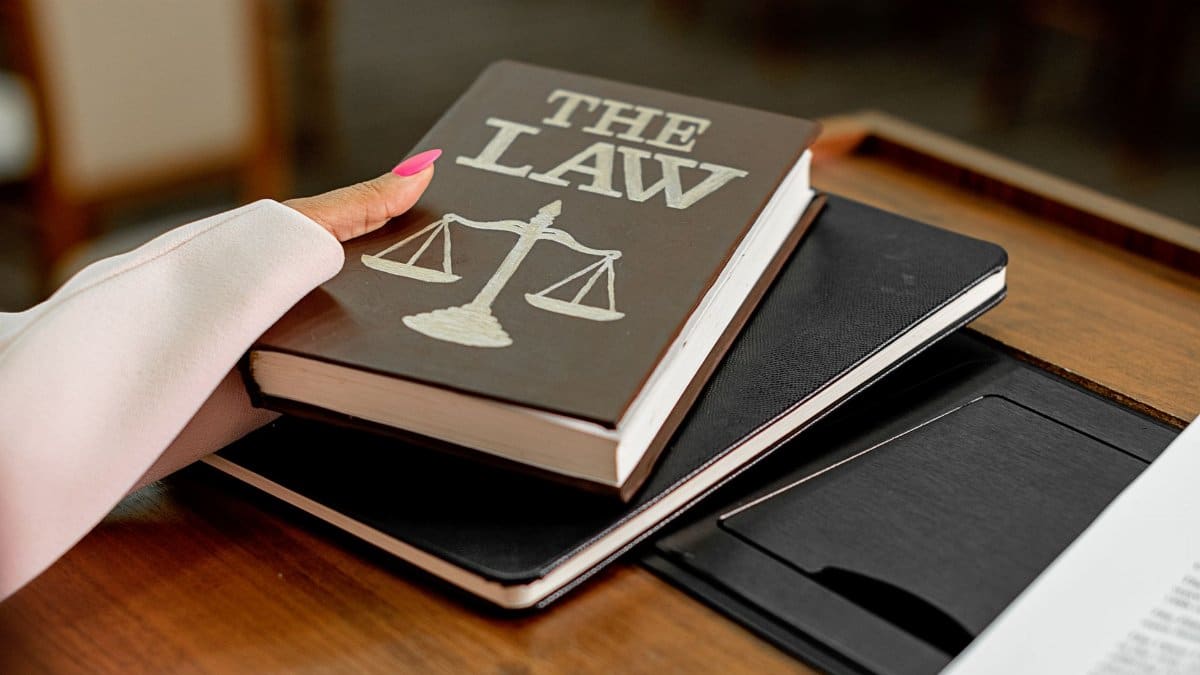
Judicial races and seats on boards that touch schools, land, and railroads look dull until a decision arrives with a family’s name on it. Texas elects a remarkable number of judges. That habit puts campaign money near courtrooms and asks voters to judge temperament from a slogan. It is an uneasy fit with the ideal of an impartial bench, and it is also the system on the ballot.
Education governance carries a similar quiet stakes. Curriculum fights, library disputes, and funding formulas are often framed as culture war. Underneath, they are arguments about what children are owed and what parents may demand. Those arguments will not be settled by a Senate primary. They will be settled, imperfectly, by people whose names occupy the lower third of the ballot. Skipping them is a choice, not an accident.
Money will tell a different story than the polls

Follow the checks and a second map appears. Senate candidates will raise sums that flatter national donors. Governor candidates will raise sums that flatter Texas donors who want permits, tax treatment, and a predictable mansion. Legislative candidates will live on smaller checks and party committees. The mismatch matters. A race can be famous and still be less determinative than a race that is merely well funded by people who expect a return in statute.
Readers should treat early polls as weather, not as fate. Name recognition in spring is not the same as persuasion in fall. In a state with vast media markets, a candidate can be unavoidable in Houston and nearly invisible in the Panhandle. Any honest Texas 2026 races editorial has to admit that “Texas opinion” is often several opinions sharing a headline.
What national coverage keeps flattening

The national habit is to sort Texas into a single mood: rising, immovable, or suddenly in play. The habit saves time and loses truth. Urban counties, border counties, oil towns, and fast growing suburbs do not experience the same government. A blackout, a refinery expansion, a hospital closure, and a campus protest do not produce one electorate.
Flattening also hides ticket splitting, which still occurs even in polarized years. Voters can want a hard line on one issue and a practical hand on taxes or schools. Campaigns that speak only in national slogans will miss those voters. Campaigns that speak only in local grievance will miss the Senate sized spotlight. The interesting candidates, if any appear, will be the ones who can hold both registers without contempt for either.
A reader’s checklist before the summer noise

Between now and the heat of the campaign, a useful discipline is to pick five contests and learn one concrete power each office holds. For the governor, the veto and the appointment pen. For attorney general, the lawsuit docket. For lieutenant governor, the calendar. For Congress, the committee seat and the map. For the Legislature or a court, the amendment or the opinion that never makes cable news.
Then ask a plainer question than horserace coverage allows. Whom would you trust with that specific tool on a bad week, not on a rally night? Trust here is not sentiment. It is a judgment about restraint, competence, and whether the candidate treats public office as custody rather than as a stage. That standard will not fit on a chyron. It is still the standard that separates attention from self government.
The Senate race will keep its glamour. Let it. The rest of the ballot is where Texas will actually be governed, and a serious Texas 2026 races editorial owes readers that wider field of vision before the ads make every race sound the same.