
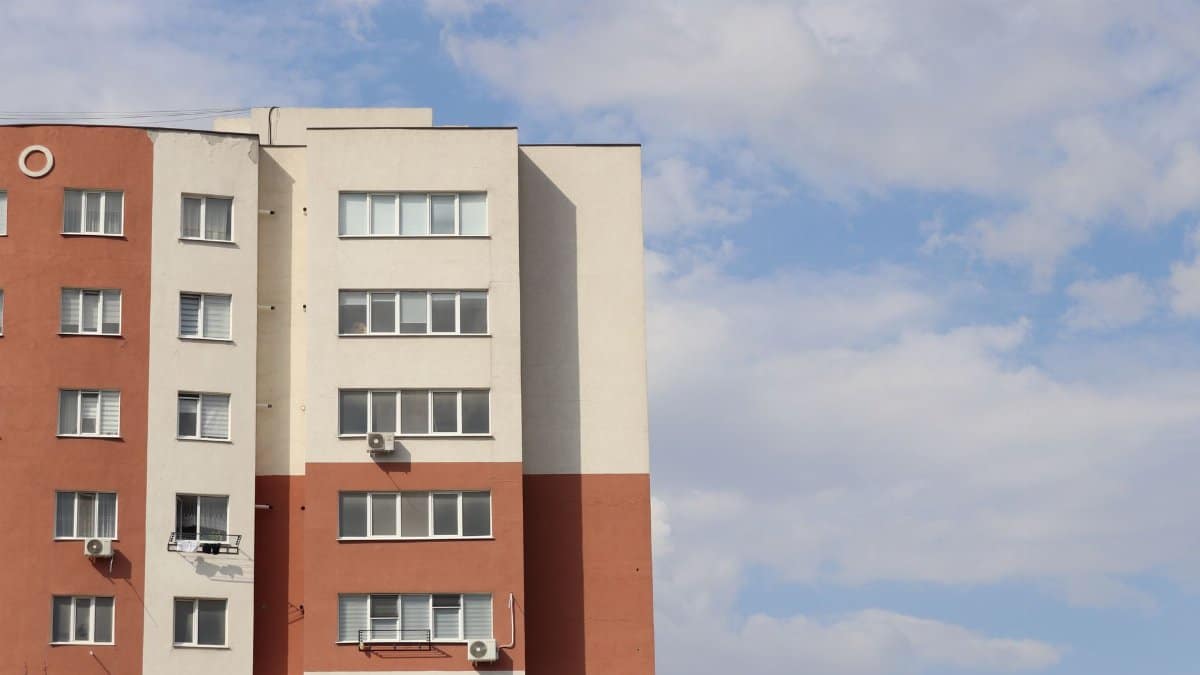
In the quiet streets of far northeast Dallas, families have watched their daily routines unravel as building issues mount and authorities step in to address safety concerns. What began as routine inspections has escalated into a broader crisis, with multiple properties now requiring tenants to pack up and seek new housing. This situation underscores the realities of Dallas apartment relocation, where economic pressures and aging infrastructure collide to displace long term residents who often lack immediate alternatives. Community leaders note that the process strains local resources, from schools to transportation networks, leaving many to navigate uncertain futures amid rising rental costs elsewhere in the region.
Background on the Affected Properties

The Baxter apartments represent one cluster caught in this wave of change. Inspections revealed structural problems that officials deemed unacceptable for continued occupancy. Tenants received notices detailing timelines for departure, sparking a scramble for comparable units in a tight market. Local housing advocates have pointed out that similar patterns appear in other far northeast Dallas complexes, where deferred maintenance has accumulated over years of ownership transitions.
Impact on Daily Life for Residents

Families describe the sudden notice as disruptive to work schedules and child care arrangements. One mother explained how her children now face longer commutes to school after moving to temporary quarters across town. The upheaval extends beyond logistics, touching emotional well being as neighbors who formed support networks must part ways. Schools in the area report increased inquiries about enrollment changes tied to these shifts.
Role of Local Government in Oversight
City inspectors and code enforcement teams have intensified reviews following complaints from tenants about water damage and electrical hazards. Officials emphasize that the goal remains public safety rather than mass displacement, yet the outcome often involves Dallas apartment relocation on a significant scale. Meetings with property owners have produced mixed results, with some managers agreeing to repairs while others opt for closure and redevelopment plans.
Challenges in Finding Replacement Housing
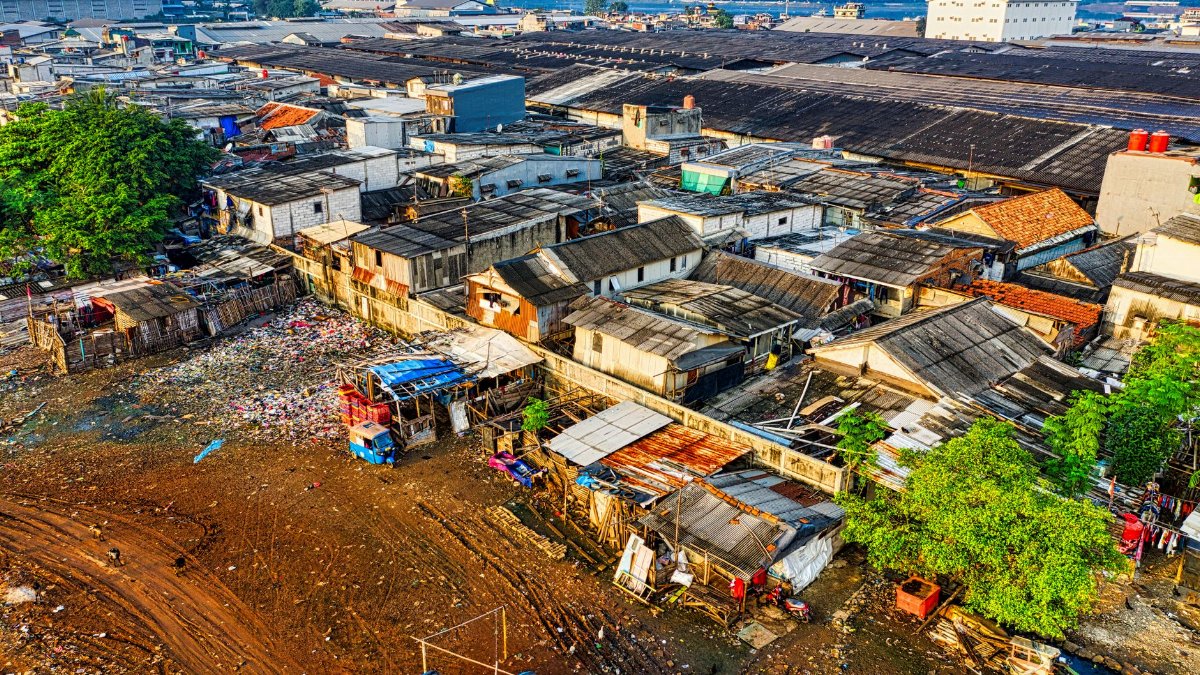
The local rental market offers limited options at similar price points, pushing many households toward longer searches or higher costs. Credit checks and application fees add barriers for those already stretched financially. Nonprofit groups have stepped forward with counseling services, helping match residents with available units and explaining tenant rights during the transition period.
Economic Pressures Driving Decisions

Property owners cite rising insurance premiums and repair expenses as factors behind their choices. In a region experiencing steady population growth, older buildings sometimes fall out of favor compared with newer developments. This economic reality accelerates the pace of Dallas apartment relocation, reshaping neighborhoods that once housed stable working class populations.
Community Responses and Support Networks

Churches and civic organizations have organized donation drives for moving supplies and temporary storage. Volunteers assist with transportation on weekends, easing some of the physical burden. These grassroots efforts complement formal assistance programs, though demand often exceeds available volunteers and funds.
Looking Ahead for Far Northeast Dallas

Future development plans may include mixed income housing on cleared sites, though timelines remain unclear. Planners stress the need for balanced growth that preserves access for current residents rather than pushing them further outward. Discussions continue at city council sessions about incentives for owners who choose rehabilitation over closure.
Lessons from Similar Cases Elsewhere

Other cities facing comparable building crises have experimented with relocation vouchers and priority placement lists. Dallas officials monitor these approaches for possible adaptation, aware that each market carries unique constraints. The experience serves as a reminder that housing stability requires ongoing attention to maintenance standards and owner accountability.