

In recent weeks faith leaders across Michigan have gathered to express deep unease about federal involvement in local voting procedures. Their objections center on the deployment of michigan doj election monitors who some religious voices believe could erode community confidence in the ballot box. Drawing from longstanding traditions of civic participation these figures emphasize that elections thrive best when rooted in neighborhood trust rather than distant oversight. Their message resonates with congregations that have long viewed the voting process as an extension of moral responsibility and collective stewardship.
Historical Context of Election Oversight

Federal monitoring efforts have appeared in various states over decades yet Michigan presents unique dynamics shaped by its diverse population and industrial heritage. Faith leaders note that past interventions often targeted specific regions with documented issues while current plans seem broader in scope. This shift prompts questions about whether the approach truly addresses local needs or instead applies a uniform standard that overlooks regional nuances.
Perspectives from Prominent Religious Figures
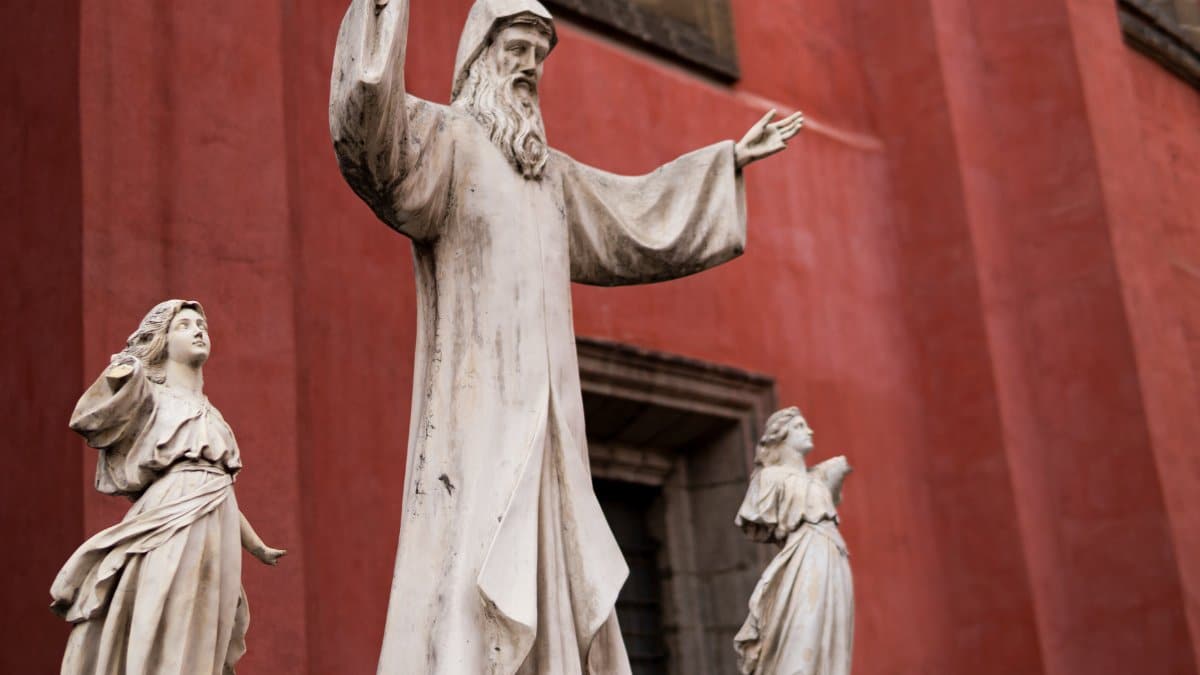
Clergy members from multiple denominations have issued joint statements highlighting potential drawbacks of external observers. They argue that such measures might inadvertently signal distrust in local officials who have managed elections for generations. One bishop described the situation as a departure from collaborative models that previously allowed communities to handle their affairs with minimal outside presence.
Impact on Voter Participation Rates
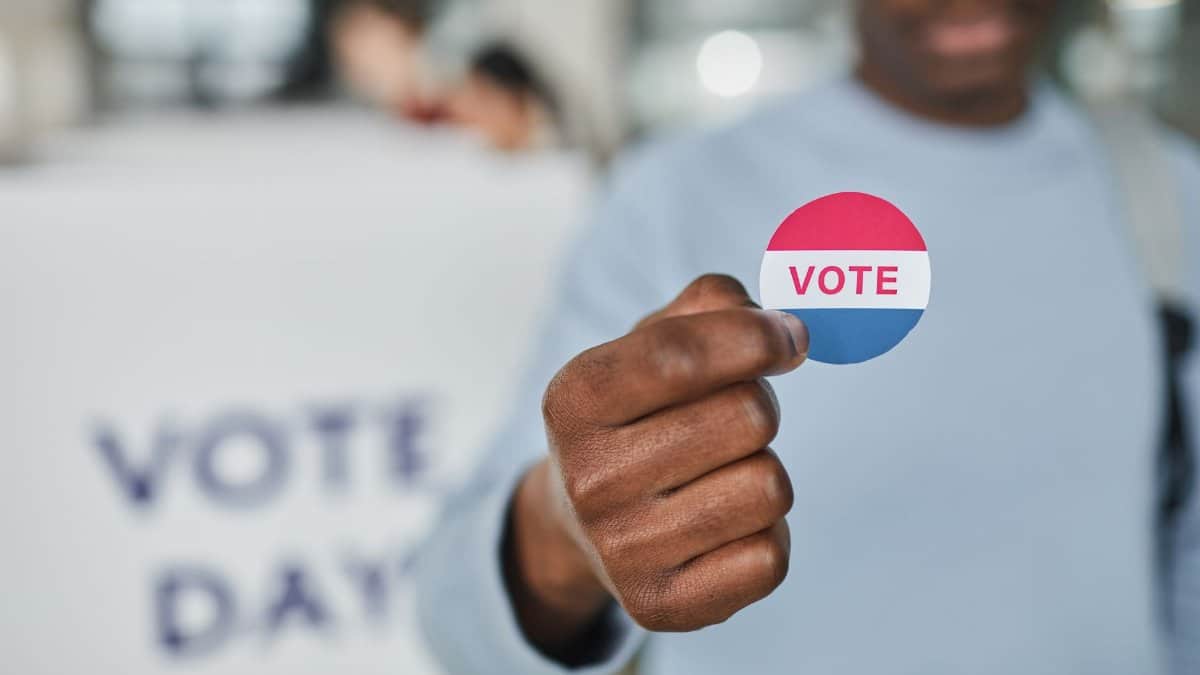
Analyses suggest that visible federal involvement can influence turnout among certain demographic groups. Faith leaders worry that some congregants may feel intimidated or less inclined to participate if they perceive the process as heavily supervised. Data from prior cycles indicates modest declines in engagement in areas with similar oversight prompting calls for more nuanced strategies.
Legal Frameworks Governing Monitors

Existing statutes permit the Department of Justice to station personnel at polling locations under defined circumstances. michigan doj election monitors operate within these boundaries yet faith communities seek greater clarity on selection criteria and reporting protocols. Advocates for transparency recommend public forums to discuss how decisions are made and what safeguards exist against overreach.
Community Responses and Local Initiatives

Churches and synagogues have organized workshops to educate members about voting rights and procedures independent of federal presence. These efforts aim to reinforce confidence through education rather than relying solely on official channels. Participants report renewed enthusiasm when discussions focus on shared values and historical precedents for peaceful civic engagement.
Comparisons with Other States

Neighboring regions have adopted varying levels of federal assistance with mixed outcomes. Michigan faith leaders reference these examples to illustrate how tailored approaches often yield better results than standardized deployments. They advocate for models that incorporate input from local stakeholders including religious organizations.
Potential Longterm Effects on Trust

Observers caution that repeated federal interventions could gradually diminish public faith in electoral integrity over time. Faith leaders stress the importance of preserving perceptions of fairness which they see as essential to sustaining democratic norms. Their commentary draws on broader societal trends where institutional confidence has fluctuated in response to external pressures.
Recommendations for Balanced Oversight

Proposals include hybrid teams combining federal personnel with local volunteers to foster collaboration. michigan doj election monitors could benefit from structured dialogues with community representatives to align practices with regional expectations. Such measures might address concerns while maintaining necessary accountability standards.
Broader Implications for Spiritual Leadership

Religious institutions increasingly view electoral matters as part of their wider mission to promote justice and unity. Faith leaders see their involvement as consistent with traditions of advocacy on public issues. This stance reflects an ongoing evolution in how congregations engage with civic responsibilities in contemporary society.