

Washington state witnessed an unusual electoral event this summer when Democratic candidates achieved remarkable success in the primary contests. This outcome has prompted analysts to describe the situation as a cobalt blue primary that may influence upcoming races. The Republican Party now faces the task of reassessing its approach to appeal to a changing electorate in the Pacific Northwest. Many local leaders are considering new strategies to regain ground in what has become a challenging political environment. Observers note that turnout patterns revealed deeper shifts in suburban and rural areas alike.
Reviewing the August Primary Outcomes

The numbers from the contests painted a clear picture of Democratic strength across multiple districts. Candidates aligned with progressive priorities secured margins that exceeded recent cycles by notable amounts. This performance extended beyond traditional strongholds into areas previously viewed as competitive. Party officials on the Republican side acknowledged the scale of the challenge ahead.
Interpreting Shifts Among Suburban Voters

Suburban communities showed particular movement toward Democratic options on questions of taxation and public services. Families in these zones expressed concerns over housing costs and school funding that aligned more closely with one side of the aisle. Such patterns suggest ongoing realignment that could persist into general elections.
Assessing Republican Strategy Adjustments

Party strategists have begun internal reviews to identify messages that might reconnect with broader segments of the population. Emphasis on local economic concerns rather than national cultural debates appears under consideration. Several figures have advocated for a return to pragmatic positions on infrastructure and workforce development.
Exploring Broader Regional Political Dynamics

The Pacific Northwest continues to reflect national trends of urban concentration for one party and scattered support for the other. Washington serves as a microcosm where these forces play out in real time. Demographic changes including population growth in certain corridors add complexity to future calculations.
Considering Potential Long Term Implications

If current trajectories hold the Republican organization may need sustained efforts to rebuild its coalition. This includes outreach to younger voters and diverse communities that have trended away in recent years. Success would require consistent engagement rather than episodic campaigning.
Examining Role of Independent Candidates
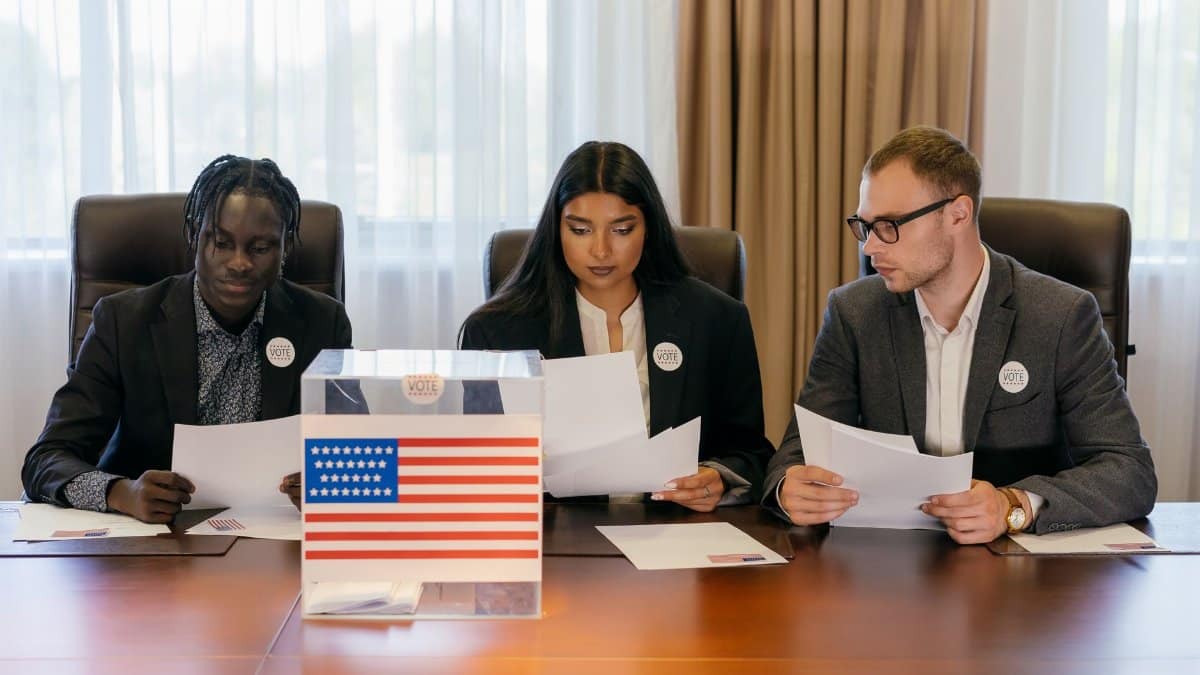
Several races featured independents who drew support from across traditional lines. Their presence complicated the binary choice and highlighted dissatisfaction with established options. Future cycles could see more such entries if polarization continues.
Reflecting on National Context for State Races
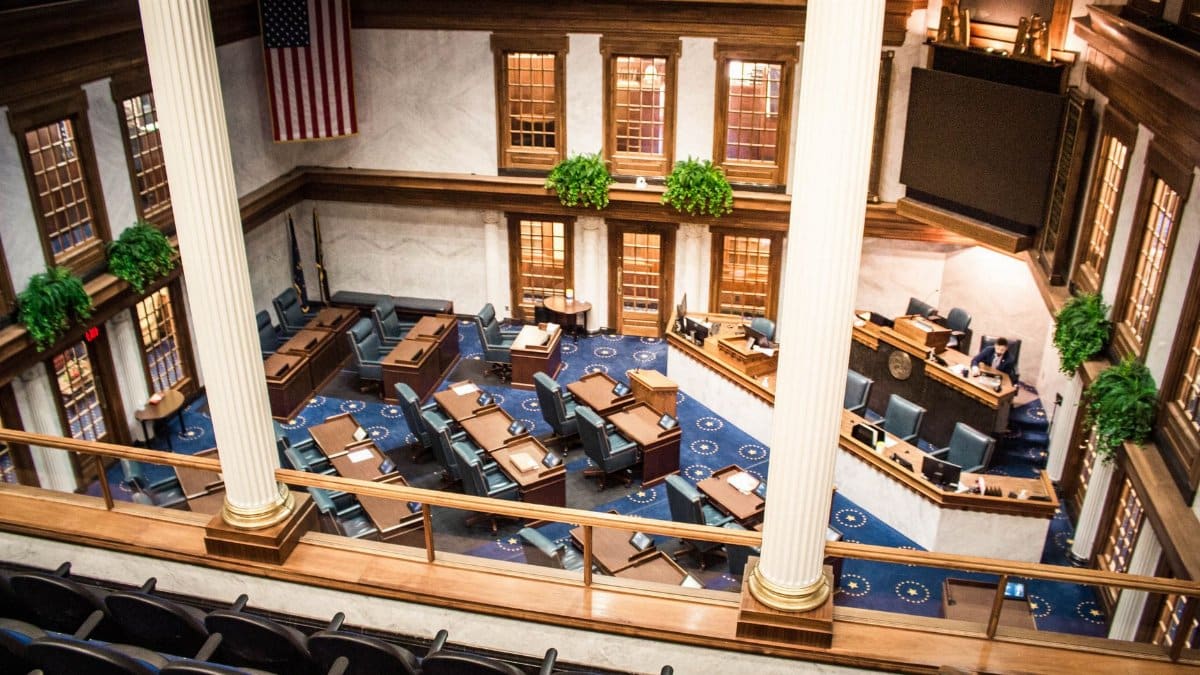
Washington results echoed developments in other states where Democratic performance exceeded expectations in off year voting. National issues such as economic uncertainty played into local perceptions. This interplay underscores how state level contests often serve as indicators for larger patterns.
Looking Ahead to General Election Preparations
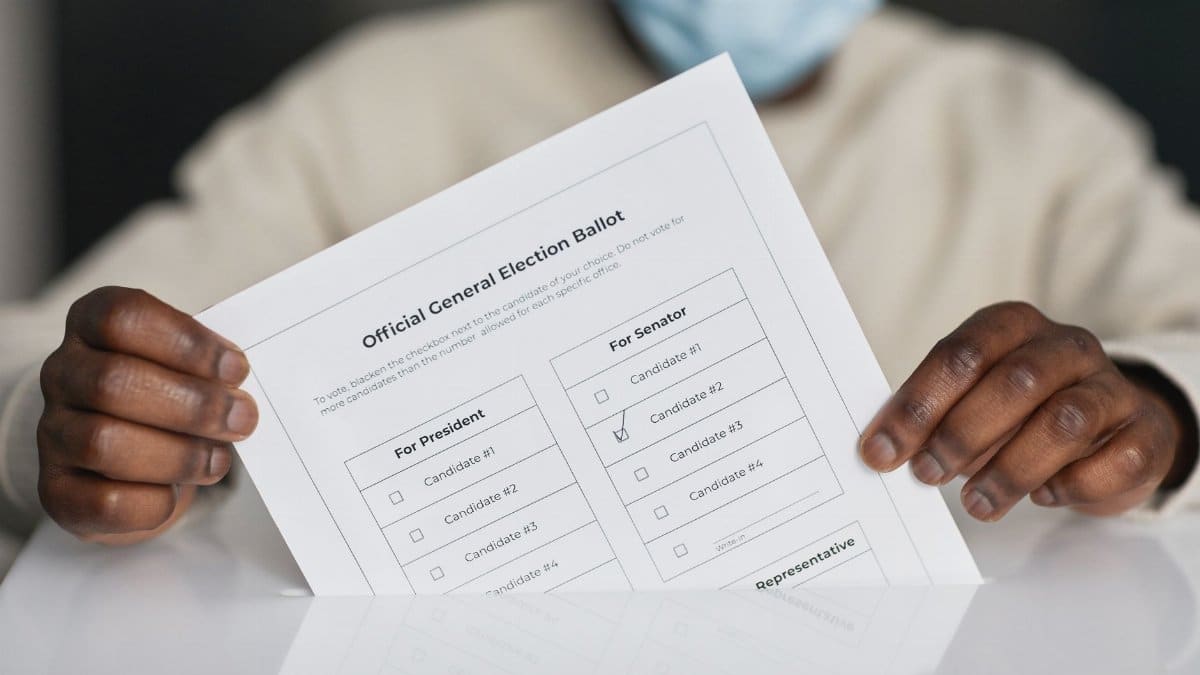
With the primary phase concluded attention turns to candidate recruitment and resource allocation. Both parties will refine their platforms based on feedback from voters. The coming months will test whether adjustments can alter the current balance of power.