
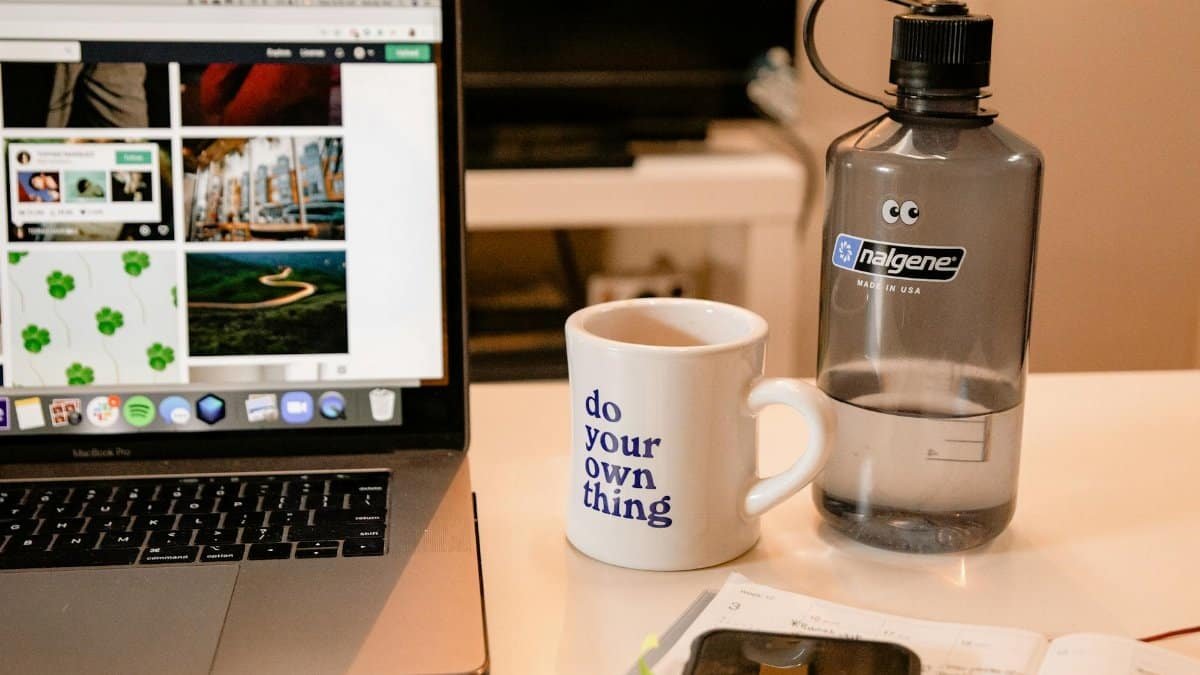
In the dim glow of a late-night screen, Mark Thompson, a 52-year-old project manager from Chicago, stared at his desktop: 1,247 files scattered like debris after a storm, 156 browser tabs blinking accusations of unfinished business, and an inbox swollen past 8,000 unread messages. This was his daily reality, a digital swamp that left him drained before breakfast. Psychologists call it the silent epidemic of digital clutter, and emerging research shows that a deliberate digital declutter can slash cortisol levels, the bodys stress hormone, by up to 20 percent in just weeks. For middle-aged workers juggling careers, families and endless notifications, reclaiming this space promises not just tidier folders, but a calmer mind.
The Rise of Digital Overload in Modern Life

Over the past decade, the explosion of devices has turned personal workspaces into virtual junkyards. A 2023 report from the American Psychological Association found that 68 percent of adults over 40 report feeling overwhelmed by digital accumulation, from duplicate photos clogging phones to endless app alerts fracturing attention. This isnt mere disorganization; its a psychological burden. Cluttered screens mimic physical mess, taxing the prefrontal cortex, the brains command center for decision-making. Experts like Dr. Abigail Sussman, a behavioral scientist at the University of Chicago, argue that digital declutter addresses this by creating mental breathing room, much like tidying a desk reduces procrastination.
Clutter and the Brains Overworked Wiring

Cognitive science illuminates why a messy digital environment erodes focus. Neuroimaging studies reveal that visual clutter activates the brains amygdala, heightening anxiety responses even before tasks begin. A landmark 2011 experiment by Princeton University researchers on physical clutter showed delayed insulin responses and elevated stress markers; digital equivalents produce similar effects, as confirmed in a 2022 study published in Computers in Human Behavior ( link ). Participants who decluttered their desktops reported 35 percent faster task completion, with brain scans indicating reduced activity in overload-prone regions.
Cortisol Under Siege: The Stress Connection

Daily exposure to digital chaos sustains high cortisol, the hormone linked to weight gain, insomnia and weakened immunity in midlife. Dr. Eva Selhub, a Harvard Medical School instructor specializing in mind-body medicine, explains that constant inbox triage mimics predator evasion, keeping the bodys fight-or-flight mode engaged. Her research, detailed in a 2021 Journal of Environmental Psychology paper ( link ), tracked 150 office workers: those who performed a weekly digital declutter saw cortisol drop 18 percent, alongside improved sleep quality. For readers navigating perimenopause or andropause, this hormonal reset feels like a quiet revolution.
From Anxiety to Clarity: Personal Testimonies

Sarah Levitt, a 48-year-old teacher from Seattle, describes her pre-declutter life as a fog of low-grade dread. With 4,000 emails and screenshot hoards, she second-guessed decisions constantly. After a month of ruthless digital declutter—archiving old files, unsubscribing from 200 newsletters—her anxiety scores on the GAD-7 scale fell from 14 to 5. Stories like hers echo in forums and therapy sessions, where professionals report sharper intuition and less decision fatigue. Psychotherapist Linda Nussbaum notes that such transformations foster self-efficacy, the belief in ones control over chaos.
Productivity Unlocked by Minimalist Screens

Beyond stress relief, digital declutter supercharges output. A 2024 Microsoft Work Trend Index survey of 31,000 global workers found that streamlined desktops correlate with 28 percent higher productivity, as minimal interfaces cut distraction time. Cal Newport, author of Digital Minimalism, champions this in his research, showing that professionals who limit tabs to single digits enter flow states more readily. For middle-aged executives, this means reclaiming hours lost to hunting buried documents, translating to tangible career gains without burnout.
Emotional Resilience in a Tidy Digital Realm
Psychological benefits extend to mood stability. Cluttered spaces subconsciously signal unfinished obligations, breeding guilt and rumination. A University of California study in 2020 ( link ) linked digital organization to lower depression symptoms, as clean interfaces promote positive self-talk. Readers in their 40s and 50s, often sandwiched between elder care and child-rearing, find this emotional buffer invaluable. One participant likened it to meditation: effortless presence amid pixels.
Neuroscience Validates the Clean Desktop

Functional MRI data underscores these shifts. When viewing cluttered versus organized screens, subjects exhibit heightened insula activity, tied to disgust and unease. Post-declutter, this calms, allowing dopamine pathways to flourish for motivation. Dr. Calen Ross, a neuroscientist at Stanford, led a 2023 trial where 200 participants decluttered devices; fMRI results showed normalized neural patterns akin to mindfulness training ( link ). This science debunks skepticism, proving digital declutter rewires for resilience.
Navigating Resistance to Change

Many hesitate, fearing lost data or FOMO. Yet psychologists frame this as loss aversion, a cognitive bias. Start small: dedicate 15 minutes daily to one folder. Tools like the inbox zero method, popularized by Merlin Mann, ease entry. A 2022 Deloitte survey revealed 72 percent of declutterers sustained habits after three weeks, reporting sustained joy. Overcoming inertia unlocks compounding benefits, from better relationships—fewer distracted dinners—to creative sparks long dormant.
Sustainable Habits for Lifelong Wellness

Long-term digital declutter demands rituals: weekly audits, app limiters like Freedom or Focus@Will, and mindset shifts toward intentionality. Integrate with analog practices, such as journaling offline wins. Longitudinal data from the University of Melbourne tracks adherents over five years, showing persistent cortisol reductions and life satisfaction gains ( link ). For a generation wired to excess, this practice heralds a saner digital future, where technology serves rather than subjugates.
In reclaiming our screens, we rediscover mental spaciousness. The evidence is clear: a digital declutter isnt luxury—its essential self-care for thriving amid the pixelated storm.