

Nestled in the heart of South Dakota, the black hills rise like ancient sentinels, offering a profound sense of grounding amid America’s vast landscapes. Sacred to the Lakota Sioux for centuries, these pine-clad peaks blend raw natural beauty with layers of history—from towering presidential carvings to ongoing Native American memorials. Visitors flock here not just for the icons like Mount Rushmore, but for the serene energy that whispers of resilience and renewal. In an era of constant motion, the Black Hills deliver a rare pause, where earth’s pulse syncs with the soul.
Ancient Sacred Ground
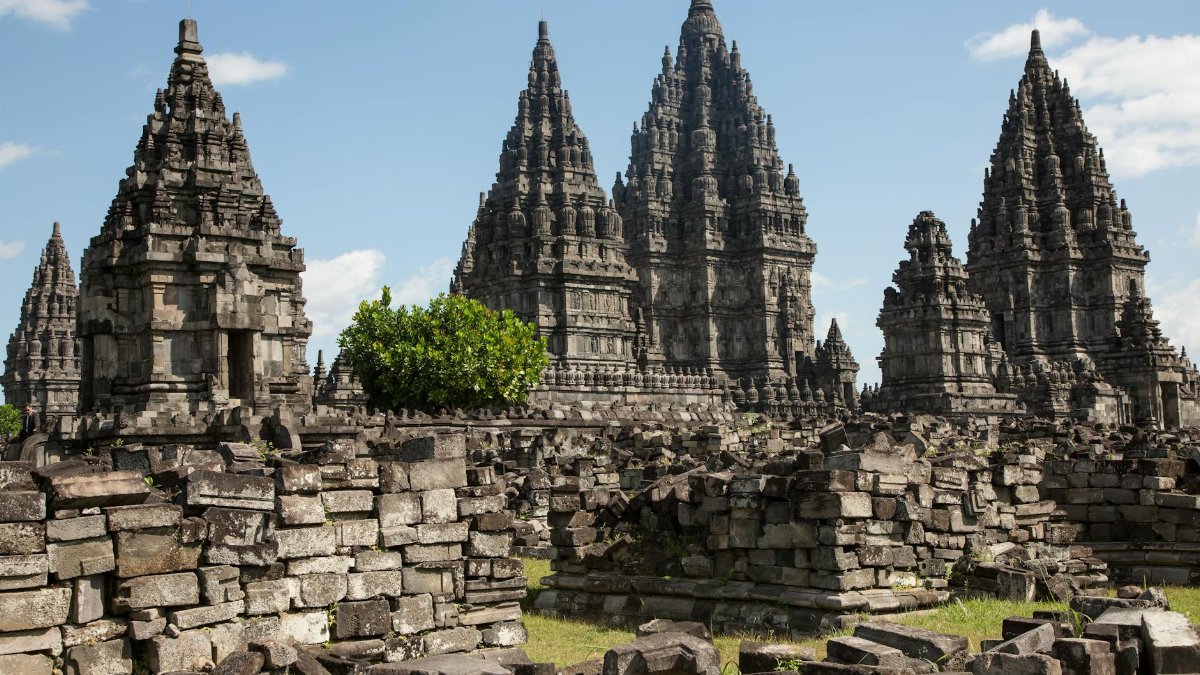
Long before European settlers arrived, the Black Hills were known as Paha Sapa, the “heart of everything that is” to the Lakota people. This 1.2 million-acre expanse holds deep spiritual significance, dotted with sites for vision quests and ceremonies. Bear Butte, a lone volcanic plug rising 1,200 feet, remains a pilgrimage spot where leaders like Sitting Bull sought guidance. Today, tribal nations fiercely protect these lands, clashing with federal designations that opened them to mining and tourism. The grounding energy here stems from this unbroken reverence, a reminder of earth’s enduring wisdom.
Mount Rushmore’s Shadow
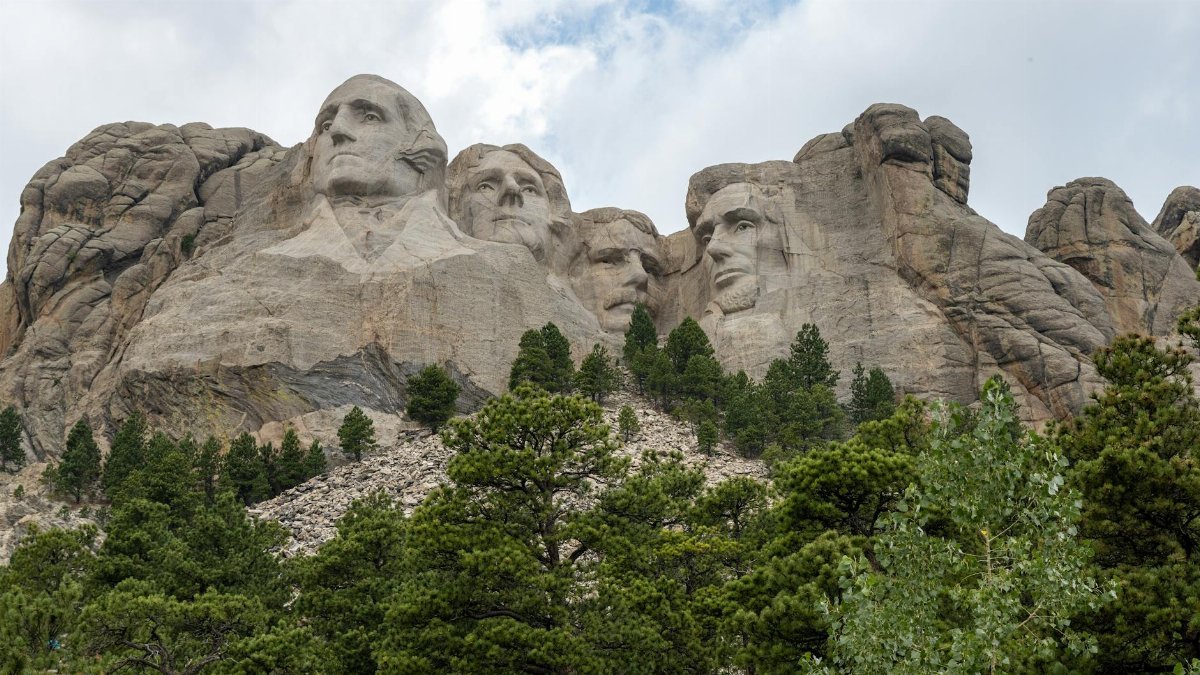
Gutzon Borglum’s 1927 vision carved four presidents—Washington, Jefferson, Roosevelt, and Lincoln—into 5,725-foot Harney Peak granite, a feat completed in 1941 amid the Great Depression. Drawing 2 million visitors yearly, the monument symbolizes American grit, yet it sits controversially on seized Lakota territory post-1877 gold rush. Tourists gasp at the 60-foot faces, but locals note the irony: a site of national pride built on broken treaties. Still, dawn hikes around its base offer meditative views, where morning mist clings to the pines, fostering unexpected introspection.
Crazy Horse Memorial’s Defiant Rise
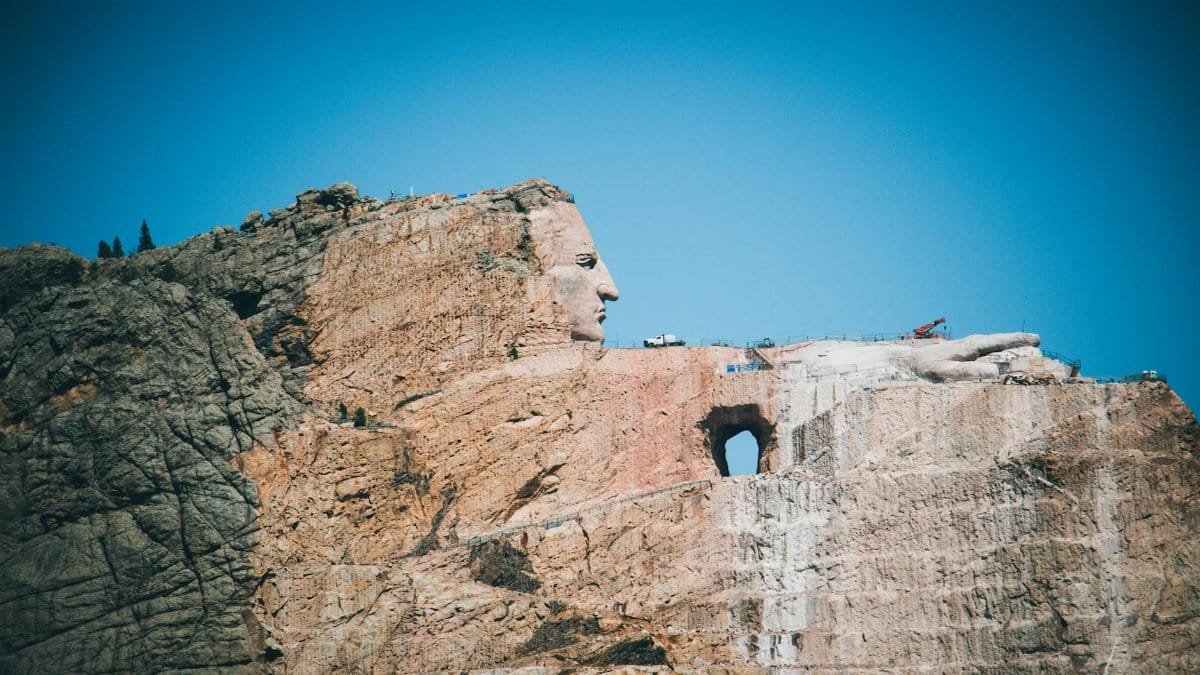
Just 17 miles away, the Crazy Horse Memorial honors the Oglala Lakota warrior who never surrendered. Started in 1948 by Korczak Ziolkowski, this colossal project—563 feet tall when finished—dwarfs Rushmore. As of 2023, the face is complete, with lasers illuminating it nightly. Funded privately through visitor fees, it rejects federal dollars, embodying self-reliance. Native guides share tales of the chief’s stand at Little Bighorn, inviting reflection on justice and legacy. The site’s vastness instills a humbling calm, grounding visitors in stories bigger than themselves.
Nature’s Verdant Embrace

Beyond the monuments, the Black Hills teem with life: ponderosa pines blanket slopes, while bison roam Custer State Park’s 71,000 acres. Wildlife spotting—elk, mountain goats, prairie dogs—feels primal here. Jewel Cave, the world’s third-longest, twists 200 miles underground with calcite crystals sparkling like stars. Surface trails like the Sunday Gulch loop plunge through waterfalls and box canyons, their cool air a balm for urban-weary souls. This biodiversity isn’t just scenic; it’s a living meditation on interconnectedness.
Trails for the Soul

Hiking the Black Hills taps into their restorative power. The 111-mile Centennial Trail links Badlands to Big Horns, but shorter paths like Black Elk Peak—South Dakota’s highest at 7,242 feet—reward with 360-degree vistas. Ascend at sunrise for solitude, where wind through aspens sounds like ancient chants. For gentler grounding, the George S. Mickelson Trail converts old rail lines into 109 miles of crushed gravel, perfect for biking past wildflowers and reservoirs. Locals swear by these routes for resetting amid nature’s quiet authority.
Underground Wonders
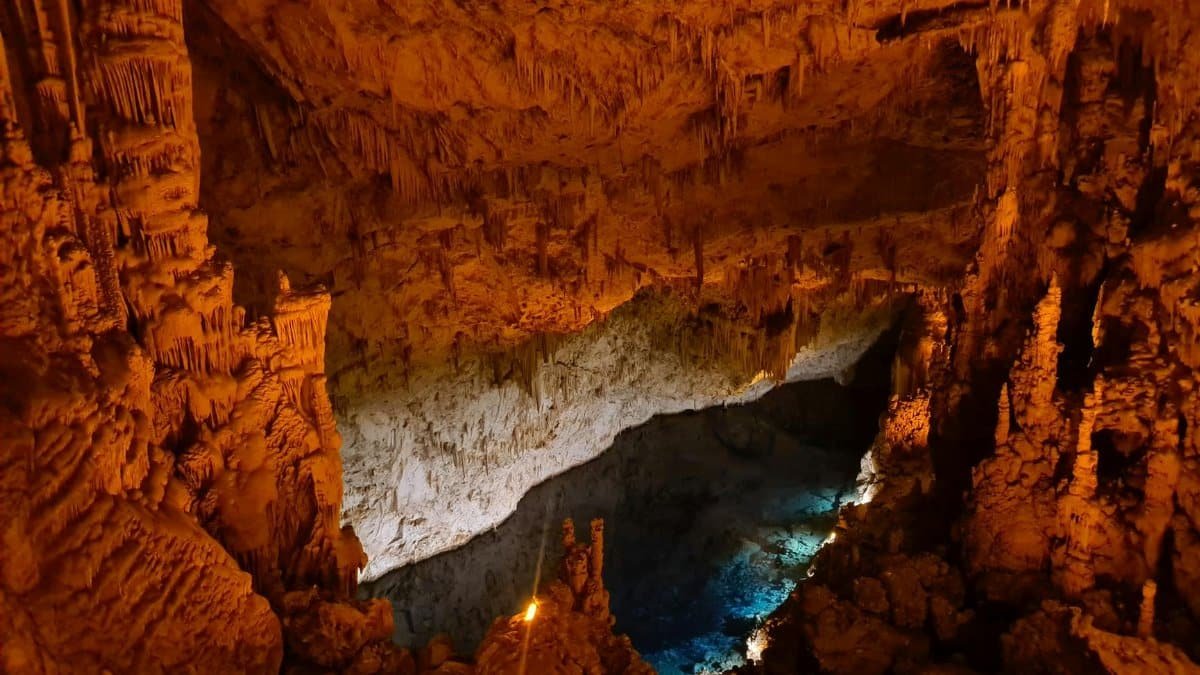
Descend into Wind Cave National Park for boxwork formations unlike anywhere else—delicate calcite lattices resembling honeycomb. Spelunkers explore wild caves, while ranger-led tours reveal Sioux legends tying the earth’s breath to these depths. Nearby, the Mammoth Site in Hot Springs preserves 26,000-year-old mammoth bones, a window into Ice Age drama. These subterranean realms amplify the Hills’ grounding vibe, pulling you inward like a deep breath, far from surface distractions.
Cultural Revival and Tensions
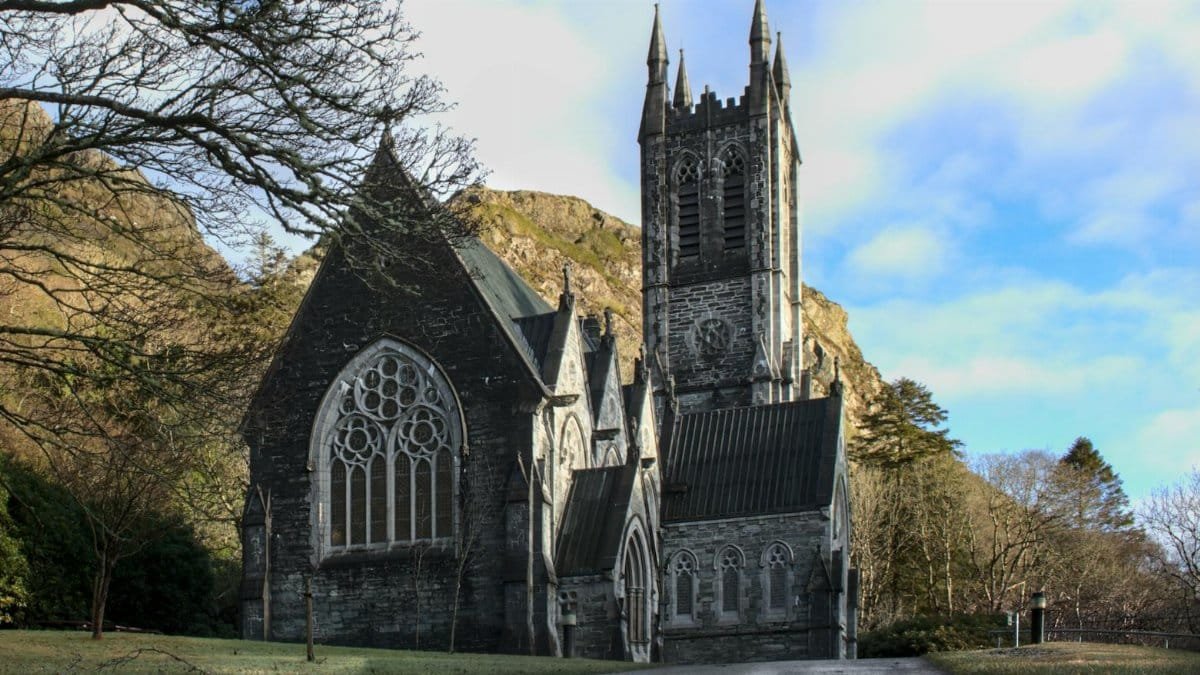
The Black Hills pulse with Native resurgence. Annual events like the Crazy Horse Ride retrace historic routes, while Deadwood’s casinos fund tribal scholarships—ironically built on gold fever grounds. Yet disputes simmer: the 1980 Supreme Court awarded $100 million for land theft (now over $1 billion with interest), which Lakota refuse, demanding return instead. This friction adds depth, challenging visitors to confront history head-on, fostering a grounded empathy that lingers.
Stargazing Serenity
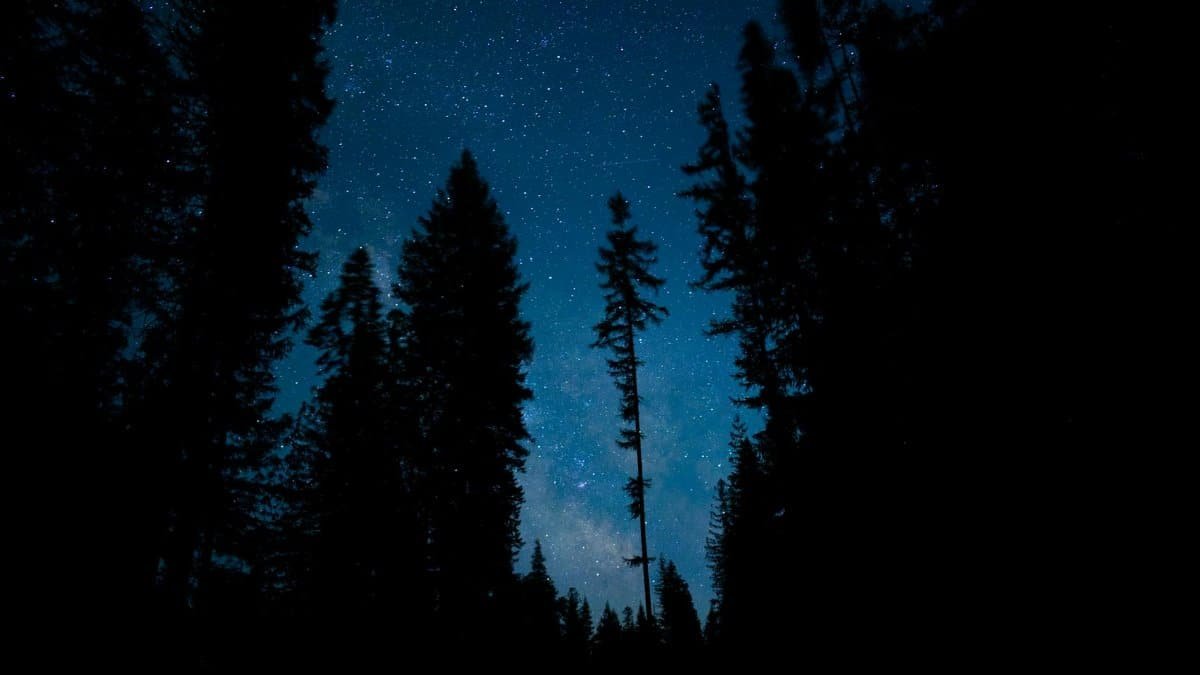
Nights in the Black Hills deliver cosmic clarity. Minimal light pollution earns dark-sky status, with Milky Way views from spots like Sage Creek Rim. Camp at Badlands’ Cedar Pass under Perseid showers, or join stargazing tours at the Sanford Underground Research Facility, probing neutrinos deep below. This celestial backdrop enhances the earthly grounding, blending micro and macro scales into profound peace.
Practical Escape
Reaching the Black Hills is straightforward: fly into Rapid City Regional Airport, rent a car, and dive in. Stay at rustic lodges like State Game Lodge or glamp in Sylvan Lake’s yurts. Spring wildflowers and fall foliage peak visitation, but shoulder seasons offer solitude. Pack layers—the elevation swings 30 degrees daily. For true grounding, unplug: no cell service in remote pockets means full immersion.
In the Black Hills, history, nature, and spirit converge, offering not just sights, but a reset for the restless. Whether chasing peaks or pausing in prayer, this sacred range grounds you in what matters.By Natasha Weber